What is Timber Frame Joinery?
Joinery is the way timbers are held together to form a timber frame or post and be structure. Joinery can be traditional – made with mortises and tenons held together with wooden pegs, or steel connections can be used the bolt the timber together. It can be simple or complex. Simple post and beam frames may use half lapped connections, while timber frames will use a variety of mortises, tenons, dovetails and shoulders. Heavy Timber construction uses beams and stringers that are connected with bolts and gusset plates or traditional wood joinery with pegs and dovetails.
The element that most defines a timber framer is the quality, integrity and strength of the joints that hold the beams together. A properly made joint will stay tight for generations. All wooden beams will shrink and check as they dry, as this is part of the unique nature of timber framed buildings, but the joinery should account for these natural ways timber moves and remain in place and stay solid over time.
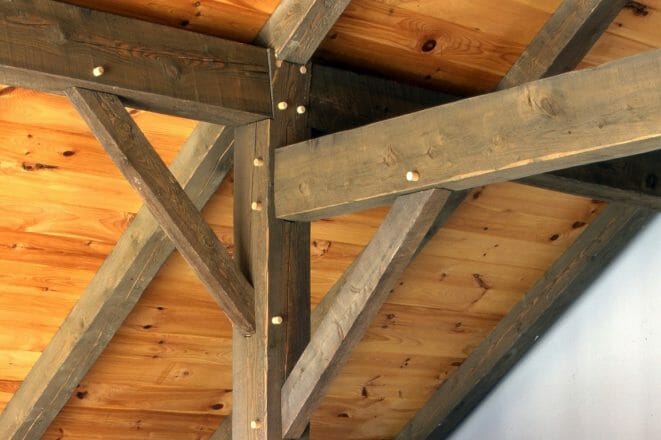
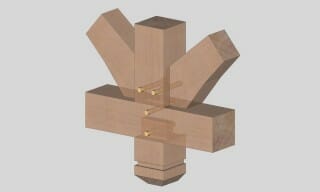
Joinery options range from traditional, all-wood joints to timber connections with steel plates and bolts. Our traditional joints are pinned together using 1-inch hardwood pegs, with the geometry of the joint itself carrying the structural load and the pegs holding the joint in place. When the spans are greater than 16 feet, steel is often required in order to meet building codes, but can be hidden or exposed depending on the owner’s preferences. When loads are extraordinarily large or when aesthetics call for it, we use heavy steel plates, rods & bolts. All of our joints undergo in-house engineering to confirm their strength and integrity.
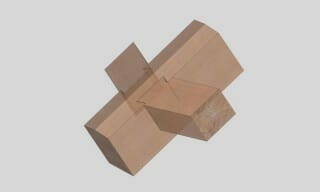
Traditional joinery is the classic way to connect timbers in post & beam and timber frame structures. Beams are cut to have mortises and tenons, which are secured with hardwood pegs.
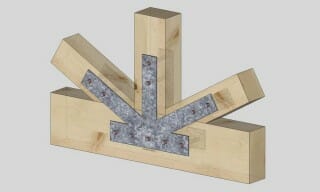
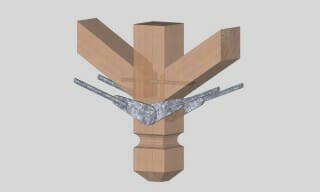
Steel connector plates are used to increase beam strength so the beams can support extremely heavy structural loads. They also give a frame character, as they give timber a look that resembles what may be found in an old factory building.
Traditional joints can have steel added to them for increased strength or for aesthetic reasons.
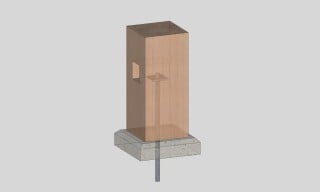
Post bases are where timber beams are tied to the foundation or floor, and there are many ways to create a post base. Whatever the design, it’s important to keep the bottom of the base dry and well drained.
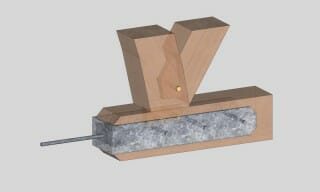
An example of how a steel tie rod can be used is to act as the bottom chord of a truss. As a bottom chord, the steel tie rod provides extra structural support (carries tension & prevents walls from bending out) while giving the truss an open and light feeling.
Timber purlins and joists form the roof and floor framing in timber framed buildings.
Contact
Vermont Timber Works has been in business since 1987 for a reason. Customers trust us to make their dream a reality and to do it right. Call us at (802)886-1917 or contact us online today. You’ll receive wonderful customer service, competitive pricing and constant attention to detail, from start to finish.