How Does Timber Species Affect Structural Performance?
Understanding Strength, Availability, and Design Impacts When designing a heavy timber structure, one of the most important decisions happens before engineering calculations or joinery details: choosing the right timber species. While aesthetics, cost, and regional availability all play a role, the structural behavior of a species has a significant impact […]
Timber Frame Connection Types: Traditional Mortise & Tenon Joinery vs. Steel Joinery Solutions
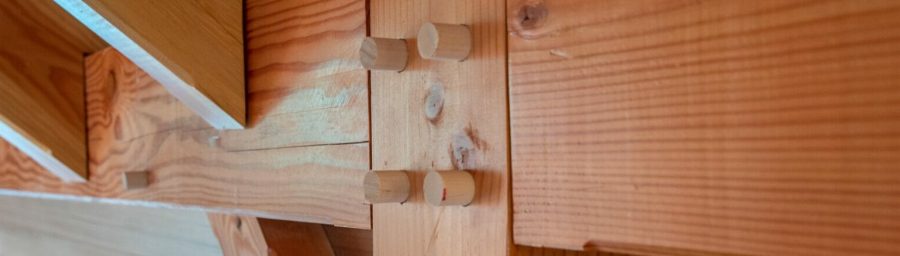
Timber frames are defined not only by the warmth of their exposed wood, but by the way load moves through every truss member, posts, beams, and braces. Modern timber connections blend centuries-old joinery practices with today’s engineering requirements—especially when projects involve long spans, high environmental loads, complex geometries, or hybrid […]

Is There an Optimum Bent Spacing for Timber Frames?
When clients begin designing their timber frame homes and structures, one of the first questions that comes up is how to optimize their layout for both cost and performance. We’ve previously discussed how far a timber truss can span, which largely dictates building width. The length of a timber frame, […]

Why Does Raising the Bottom Chord of a Truss Increase Cost?
Understanding Raised Bottom Chords in Timber Trusses At Vermont Timber Works (VTW), we design and fabricate a wide range of custom timber trusses for residential, commercial, and public structures. Timber trusses are an excellent way to open up interior spaces — allowing for vaulted ceilings that bring in more light […]
How Far Can A Timber Truss Span?
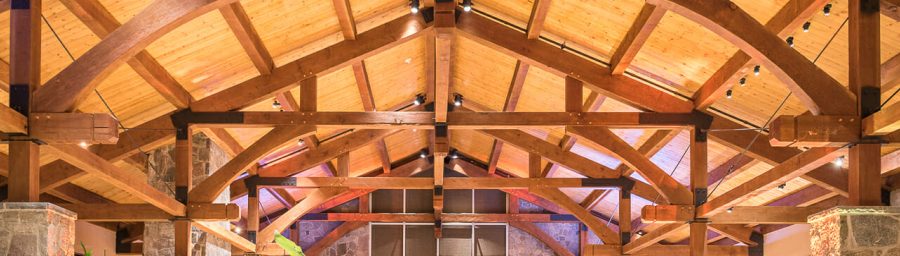
Understanding the Factors That Influence Timber Truss Design and Performance One of the most common questions we hear at Vermont Timber Works is: “How far can a timber truss span?” The quick answer is that a timber truss can span up to forty feet easily in most areas of the […]
How Do Timber Frames Resolve Lateral Loads?
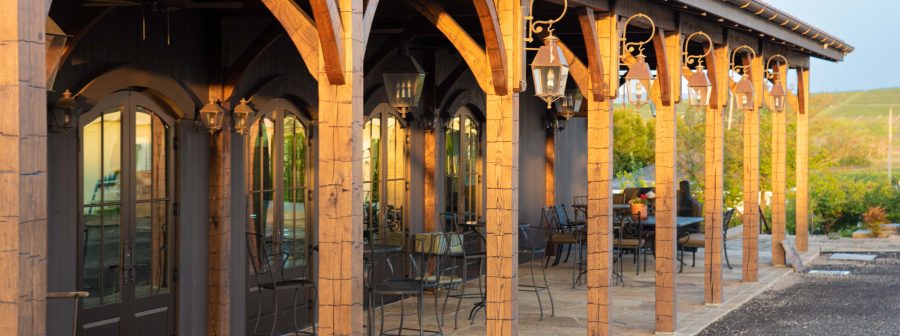
Understanding Lateral Loads in Timber Frame Design In structural engineering, gravity loads and lateral loads are often designed with separate systems because each type of force acts differently and requires distinct structural support. Gravity loads are vertical forces such as: Dead loads – the self-weight of the structure and its […]
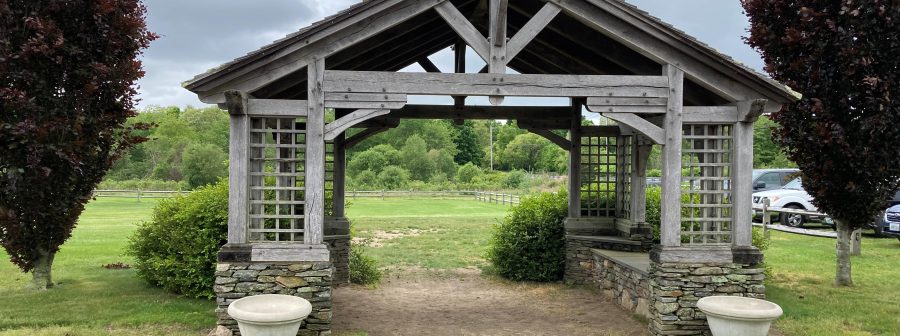
A Timber Framed Pavilion – From Vision to Reality…
For me, the most rewarding thing about working at VTW is watching a project evolve from a sketch, photograph, or sometimes just a verbal description, to a fully realized standing structure. A couple of years ago, we were contacted by some clients who knew exactly what they wanted. They had […]
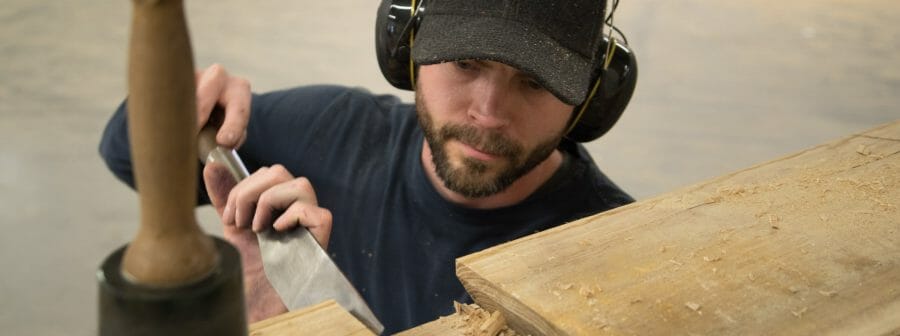
Dovetail Joinery in Timber Framing
The “Dovetail” is a classic wood working joint that is used in furniture making, cabinets and timber frames. If you open the drawer on a custom kitchen cabinet, chances are the four sides are joined together with dovetails. Fine furniture uses dovetail joinery too. The dovetails in timber frames are […]
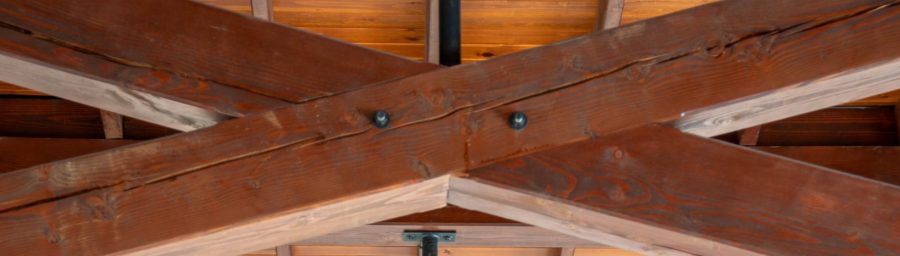
Handcrafted with Heart in Vermont
What do we mean when we say “Handcrafted Timber?” Handcrafted means timber frames that are completely cut by hand using hand tools and power tools. It means trained craftspeople using tools to cut mortise and tenon connections. It means one company, one facility, one team of people who all put […]
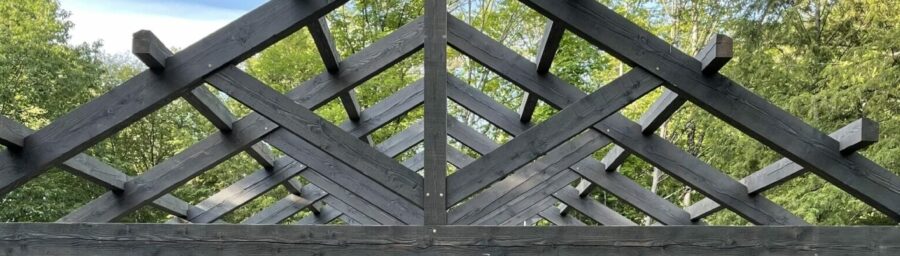
Gray or Aged Wood Stains at Vermont Timber Works
The Look of Aged Wood Aged wood is a look that a lot of people enjoy. For years, we’ve offered an aged wood finish at Vermont Timber Works. This would involve lying the timbers out in our field for a few months and letting them age naturally. As with […]