
What Wood Species are used in Timber Framing?
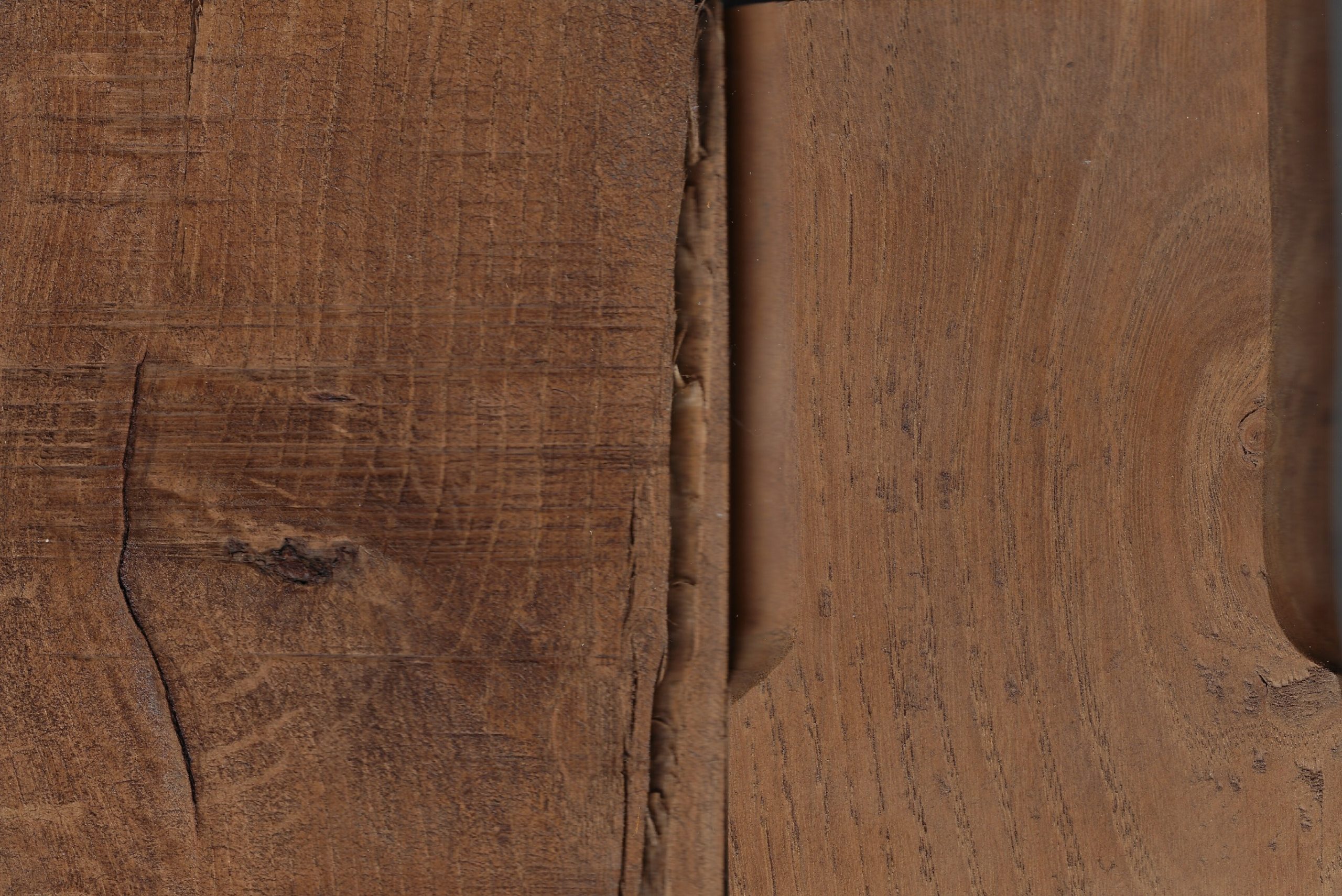
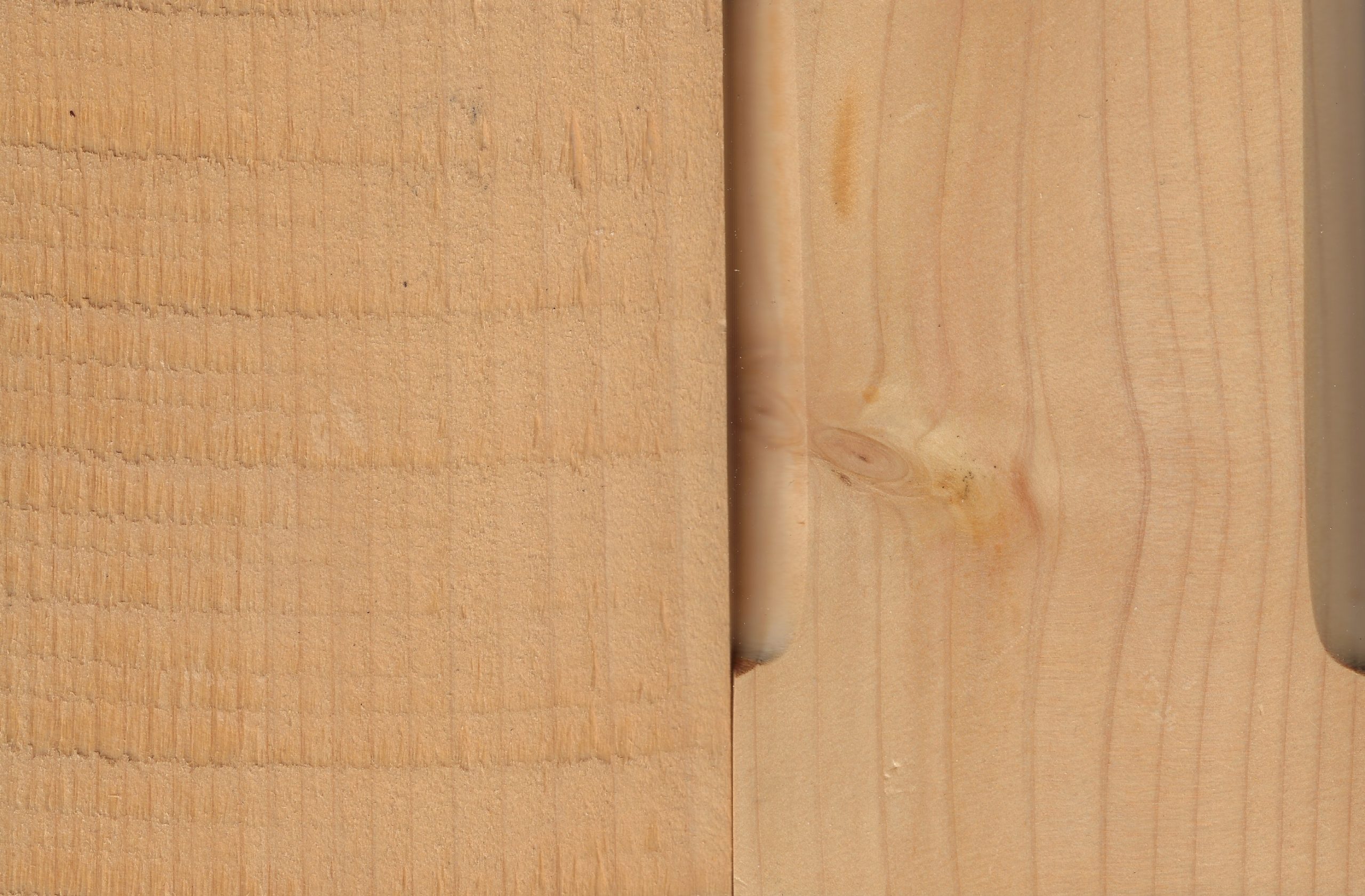
At Vermont Timber Works, we offer a broad selection of wood species, including Douglas fir, Hemlock, Oak, Southern Yellow Pine, and Port Orford Cedar. We also work with glue-laminated timber when the structural loads or aesthetics call for it. We will collaborate closely with you, ensuring that the wood we select matches your overall vision for your home, barn, church or business.
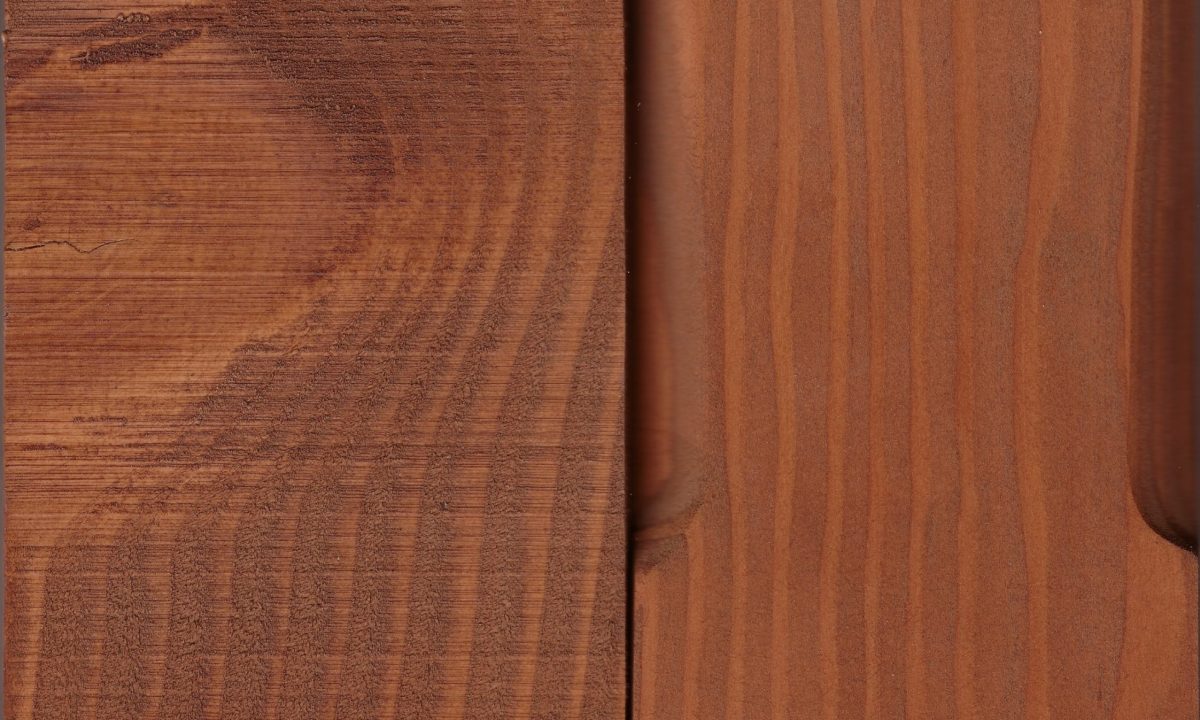
Fir is an excellent wood for highly finished post & beam frames and commercial work because of its strength and beautiful grain. Its color ranges from light red to pale yellow.
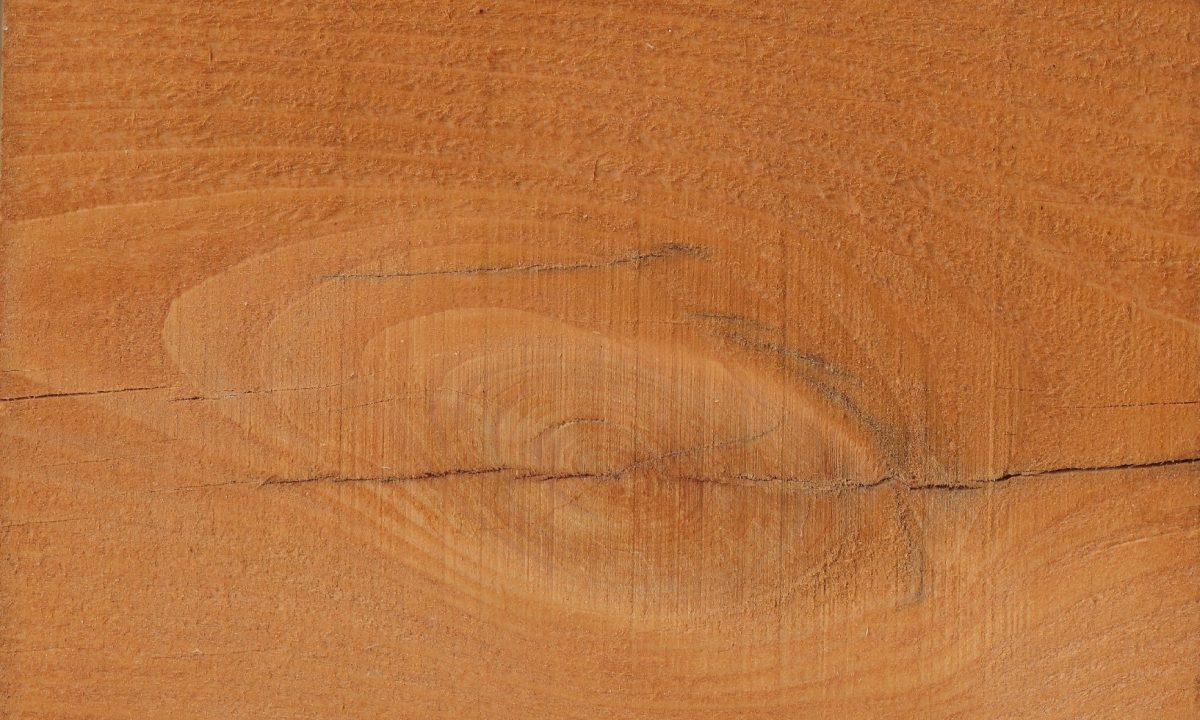
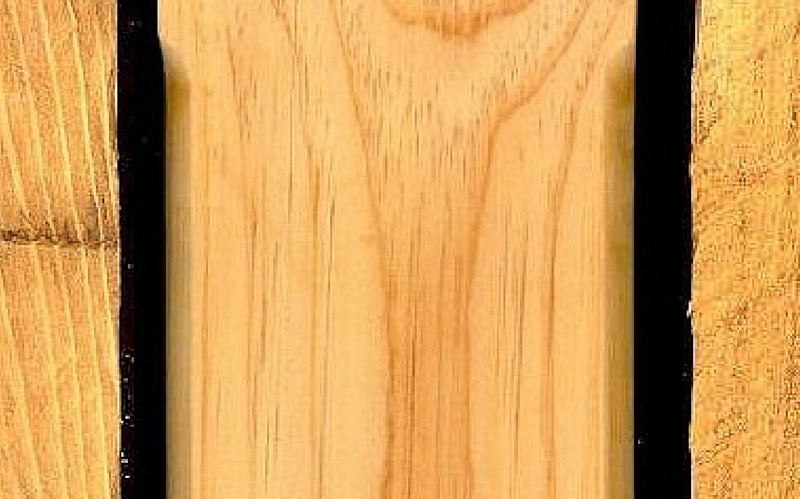
Pine is a very stable wood. It has a good straight grain, can be easily stained, planes well, and is a great wood for hand hewing.
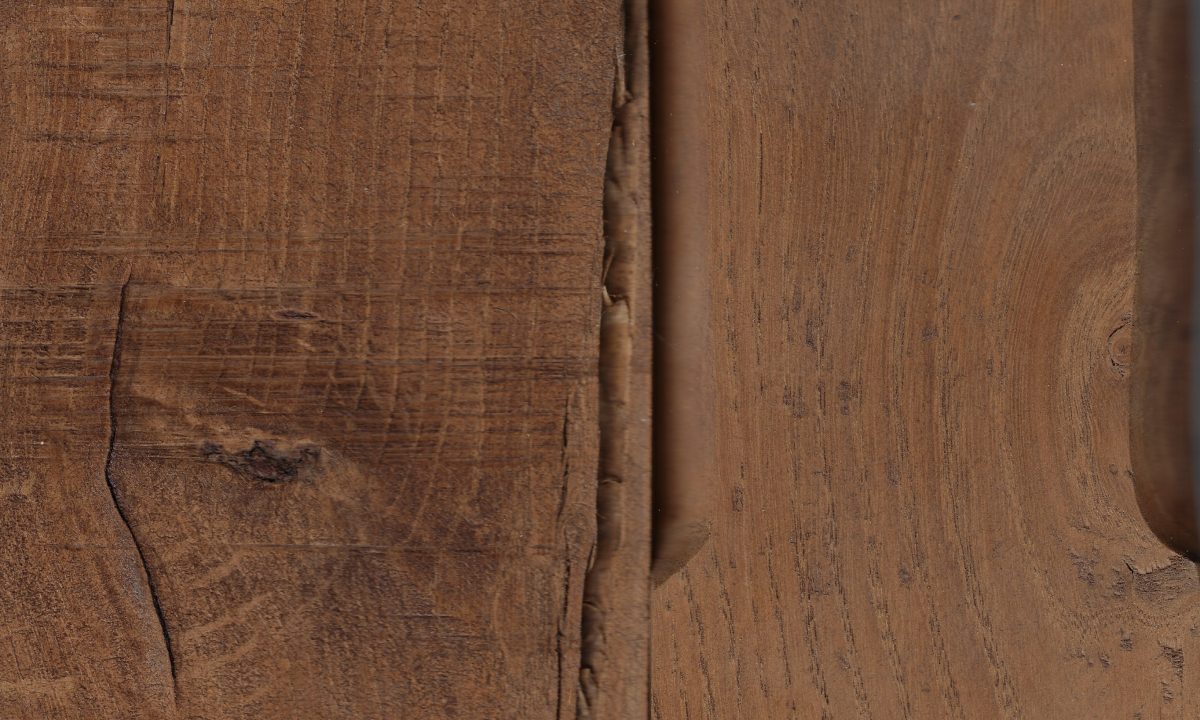
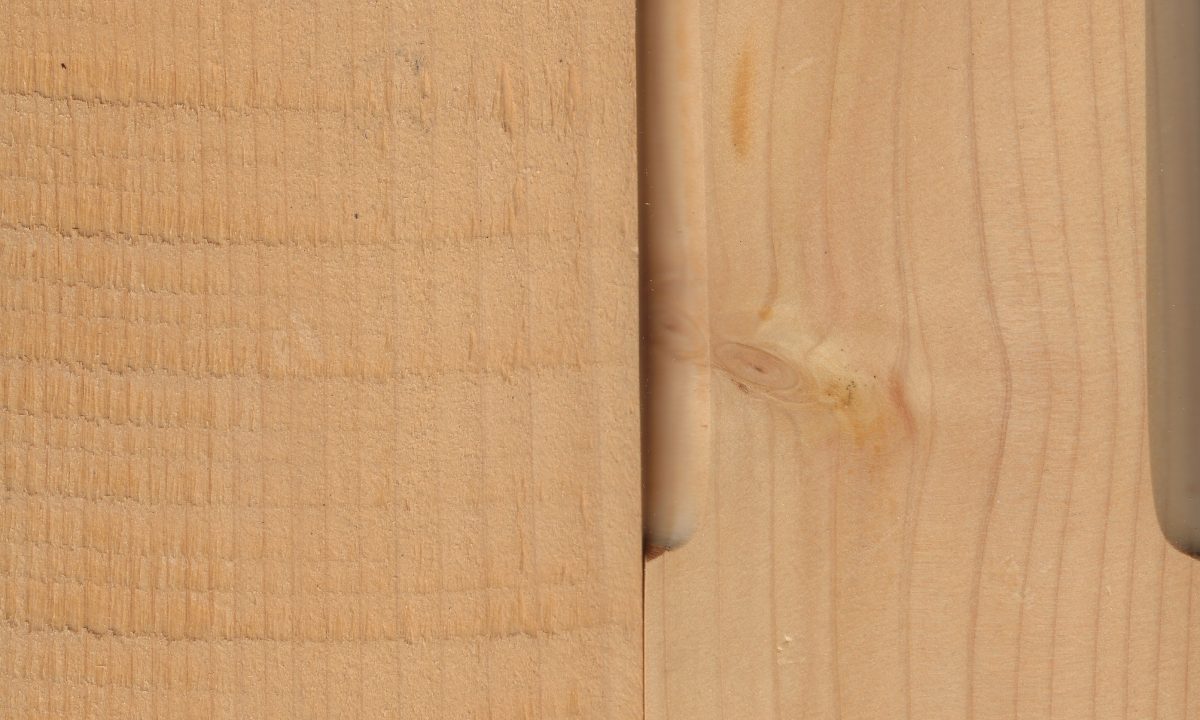
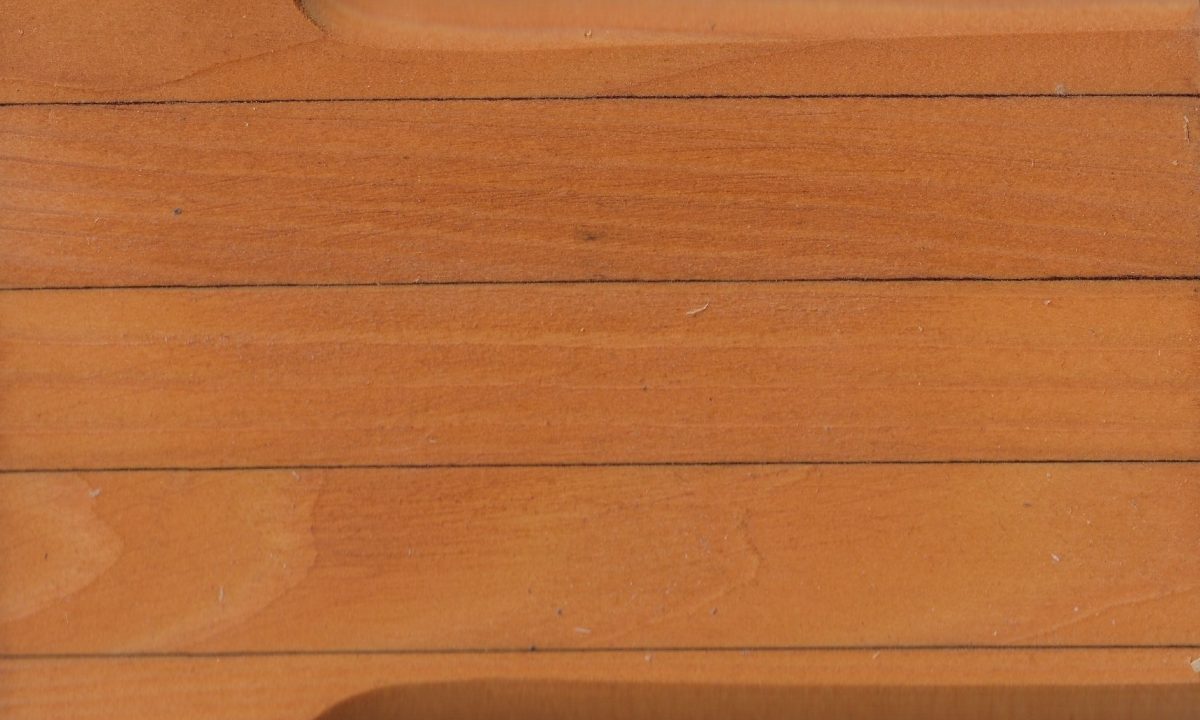
Wood Stains at Vermont Timber Works
Recently, Vermont Timber Works transitioned from working with oil-based stains to water-based. We believe that water-based stains with low VOCs align more with our values as Vermonters and Timber Framers. These are a few of the factors we considered when deciding to move away from oil-based stains:
Safety
In 2019, Vermont Timber Works suffered a fire that destroyed our facility. It was believed the fire was caused by oil-based stain-soaked rags and sawdust that ignited in a dumpster close to our building. While the fire was an accident, and probably a one-in-a-million occurrence, we have felt safer using water-based stains. The mess associated with oil and the cleanup has proven to be a fire hazard. While it’s not a common occurrence, oil-based stains are more combustible than water-based and the risk of combustion is a risk we no longer feel safe taking.
Health
Oil-based stains tend to be more chemically heavy than water-based stains. VOC stands for Volatile Organic Compounds and is any compound that participates in atmospheric photochemical reactions. Water-based stains are considered more natural. For our finishing crew that works with wood stain all day, a material with low VOC will be healthier for them to use.
Environmental Concerns
The off-gassing from the chemicals in the oil-based stain is also something that concerns us, for the environment that our stained Timbers will be in as well as the clients who are around the frames. And besides the fire hazard, disposing of the oil-based stains and rags and that environmental impact wasn’t something we were interested in contributing to anymore.
Is there a difference between oil-based and water-based stains?
There is a difference. They both have pros and cons and behave differently on the timbers. The water-based stain is more natural, more human, and environmentally friendly. It’s also easier to apply and dries faster. It’s an excellent choice for wood stain and what we are currently most comfortable using.
What water-based stains do we recommend?
Since making the switch to water-based stains, we’ve been using primarily Vermont Natural Coatings
Wood Textures
Timber at Vermont Timber Works can be textured in our shop in a number of ways, including planed, rough sawn, semi sanded, hand hewn.
There are also natural texturing techniques such as weathering.
Timber is also prone to natural texture that woodworkers can’t control such as natural checking. Oak is especially prone to checking. But some say that only adds to the character of the wood.
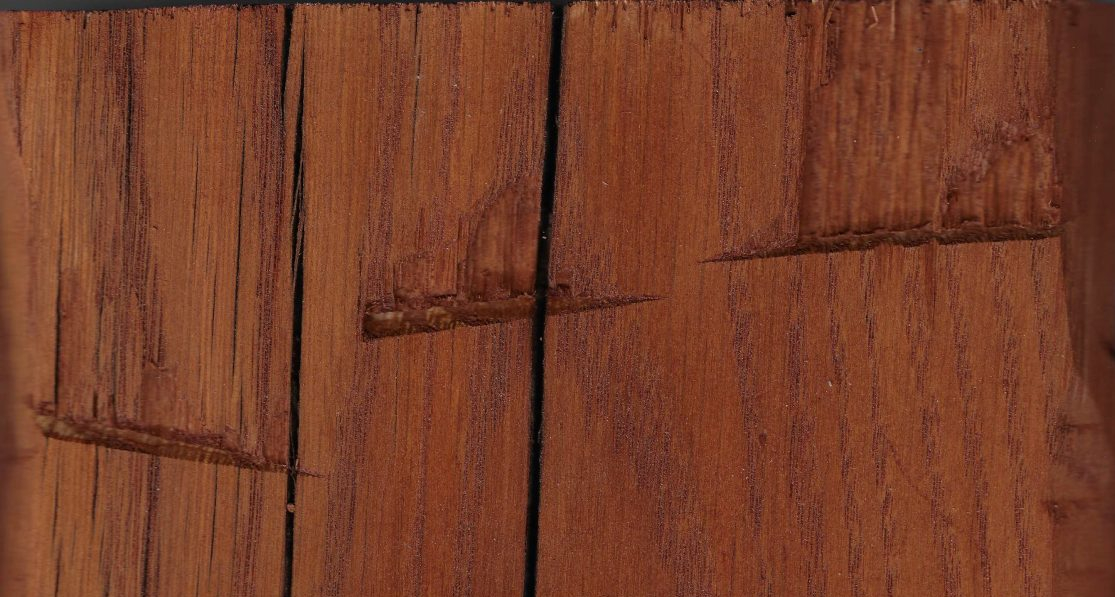
There are different ways to texture timber. It can either be very smooth or rough or anywhere in-between. An example of a texture is Hand-Hewn, which is when the timber is cut with hand tools to create etching in the beams for a rustic look. More textures include: Rough-Hewn, Planed Smooth, Semi-Sanded, Rough-Sawn, & Weathered.
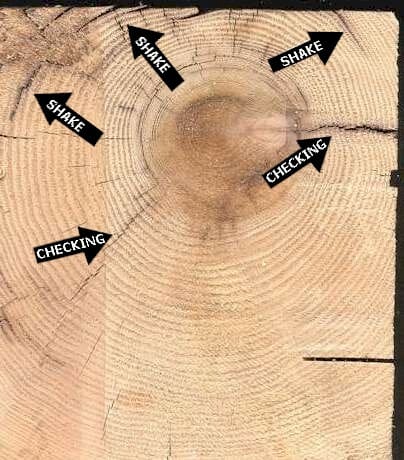
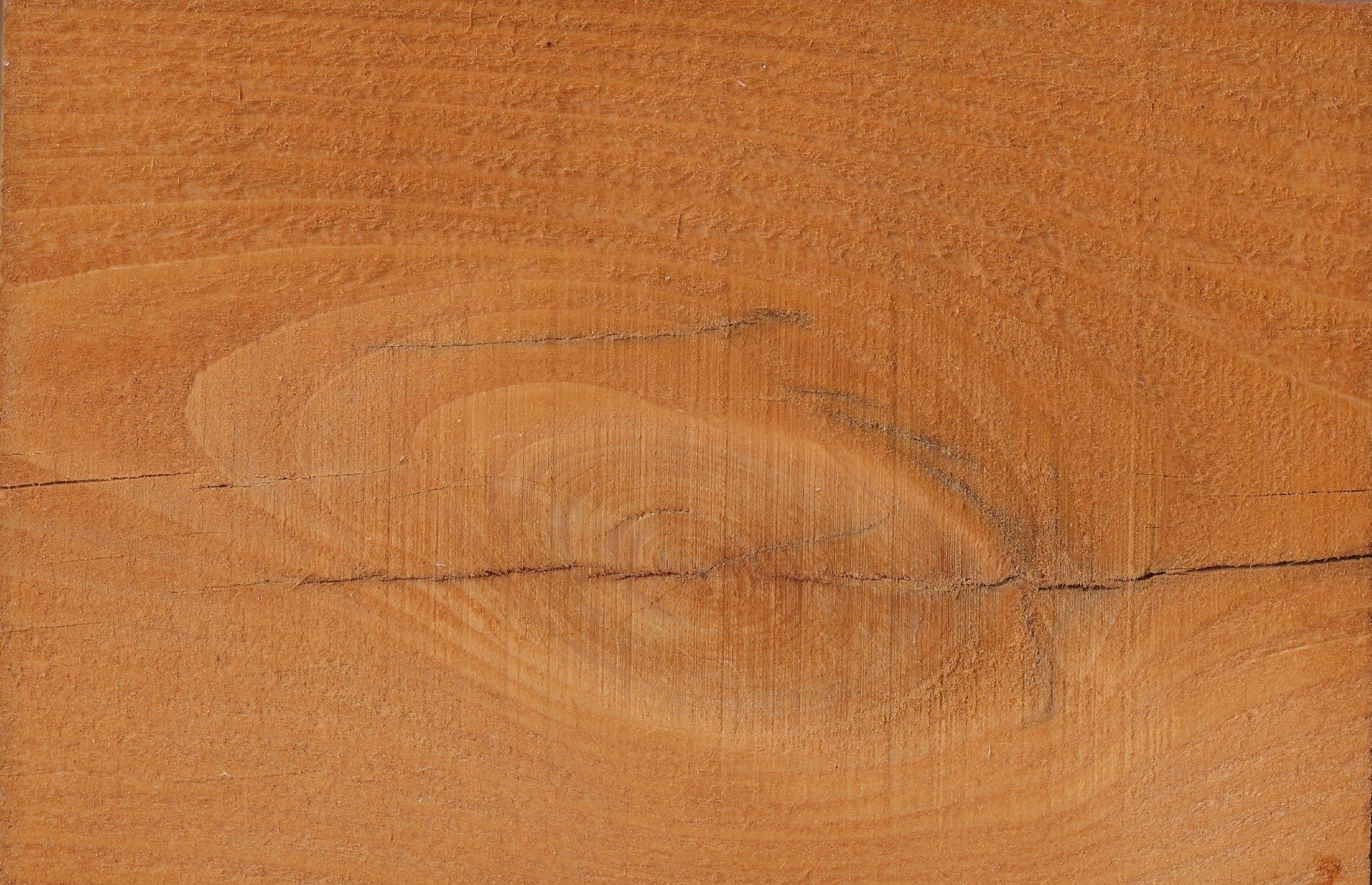
Timber is a natural product so natural variations in grain, color, and checking, are to be expected. Knots of various sizes are also to be expected. Shake is a timber defect. It occurs around the growth rings of a timber and is often found in older trees that grow in wet areas. Checking is cracking that develops along the radius of a log.
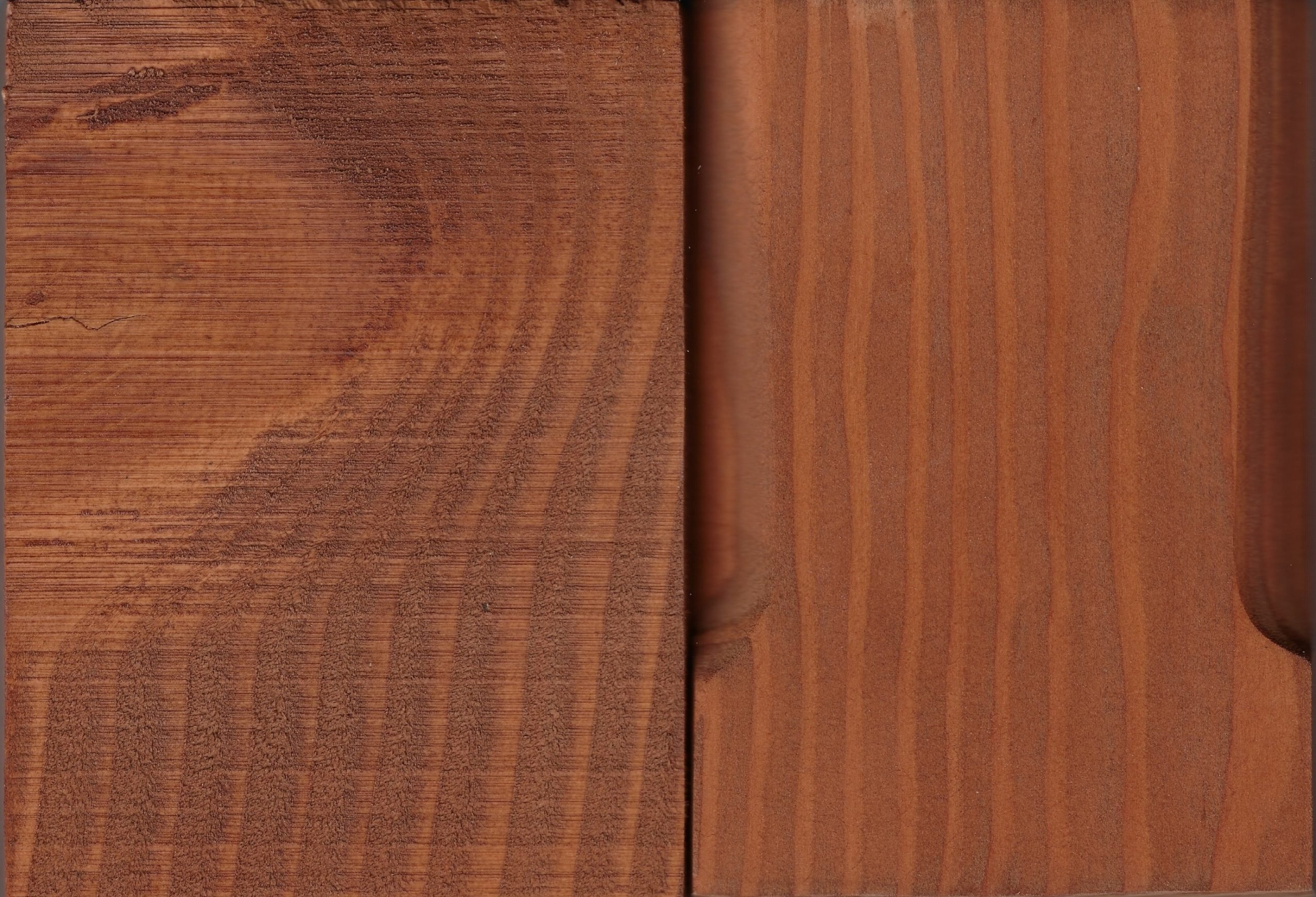
Timber Species & Stain Samples
TIMBER SAMPLES
We will send custom samples to you made with the exact species, finish and stain you choose for your project.
To find out more about the wood varieties and broad range of finishes available, call us at (802)886-1917 or contact us online today. We promise an outstanding product, competitive bids, great customer service and attention to detail throughout the process.