Where can I a timber frame or a post and beam frame for my barn?
Vermont Timber Works sells prefabricated wood and timber beams, post and beam frames and timber frames for for barns, houses, porte cocheres and pavilions for delivery nationwide and internationally. VTW has shipped beams all over the United States, Alaska, Canada and the Caribbean.
I want to live in a timber frame. Can a timber frame barn be a home Too?
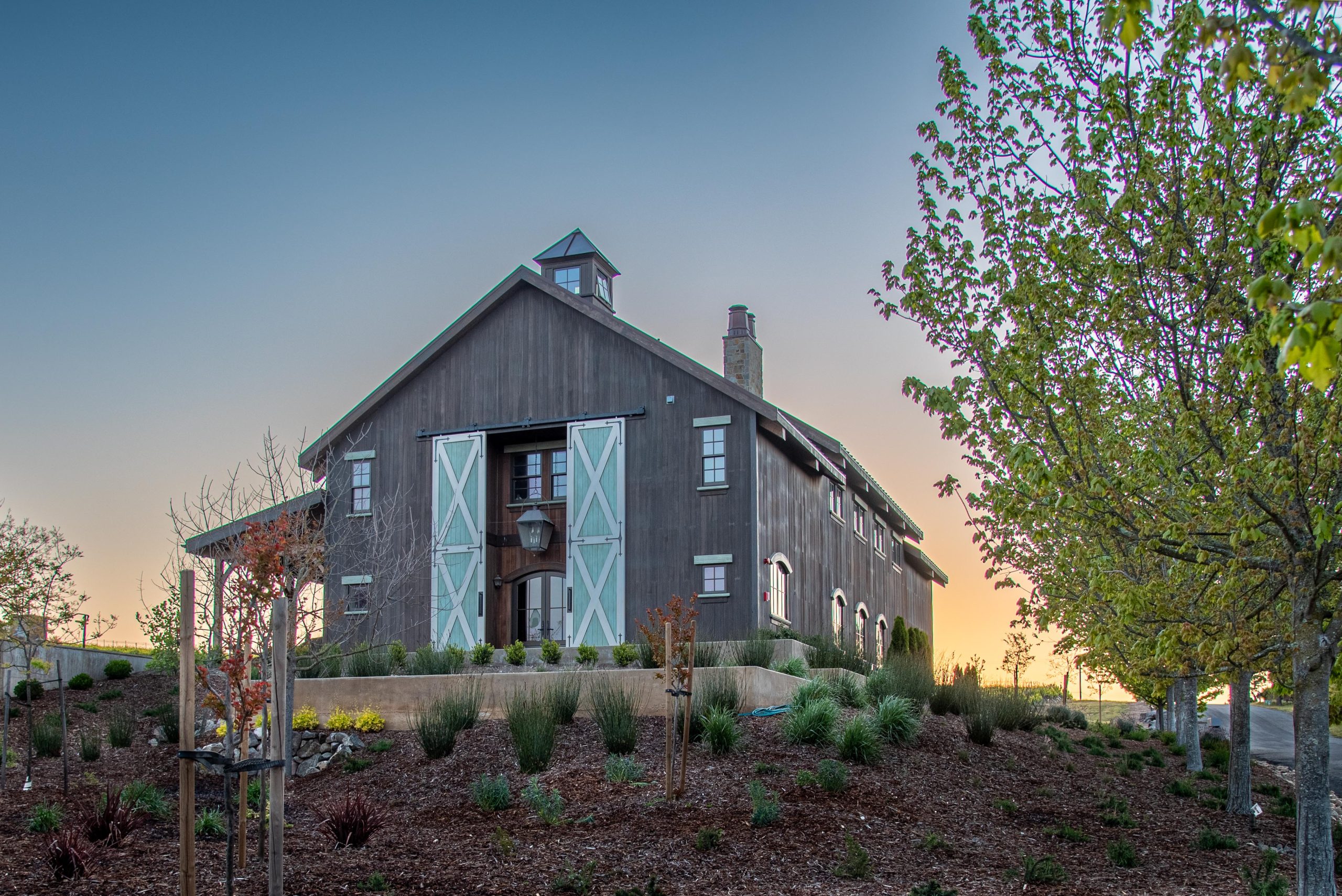
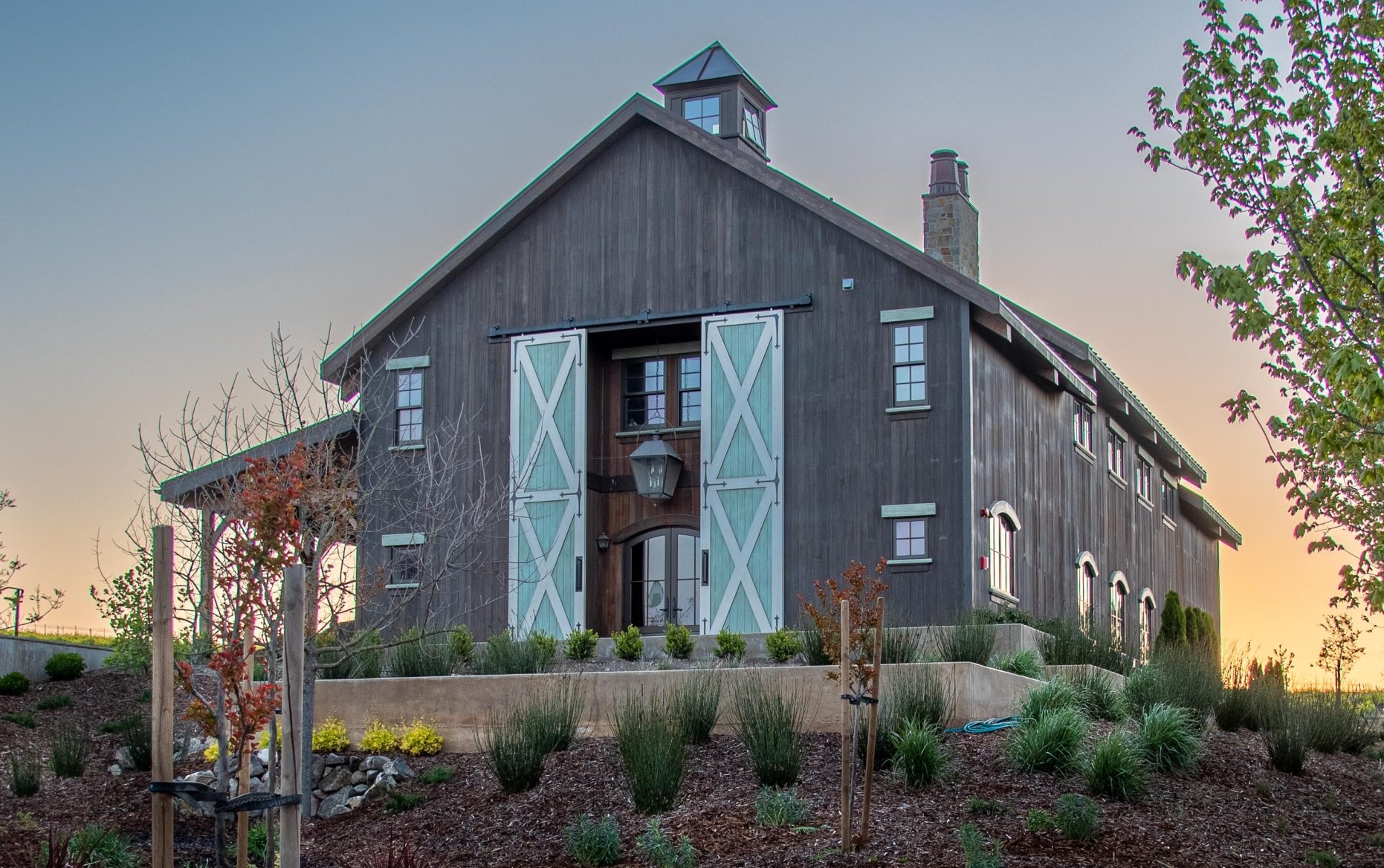
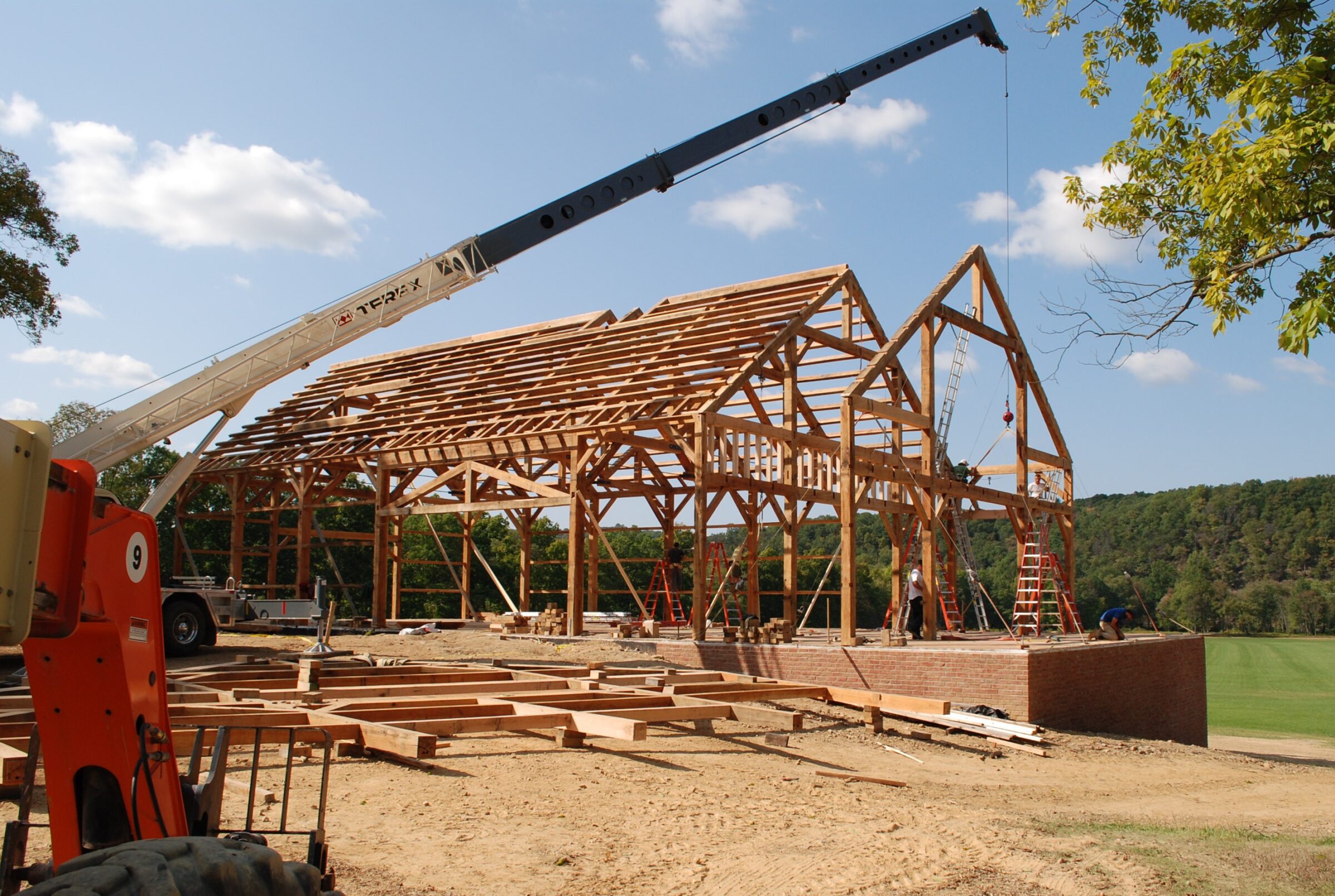
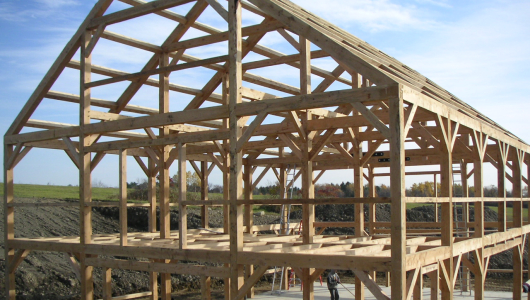
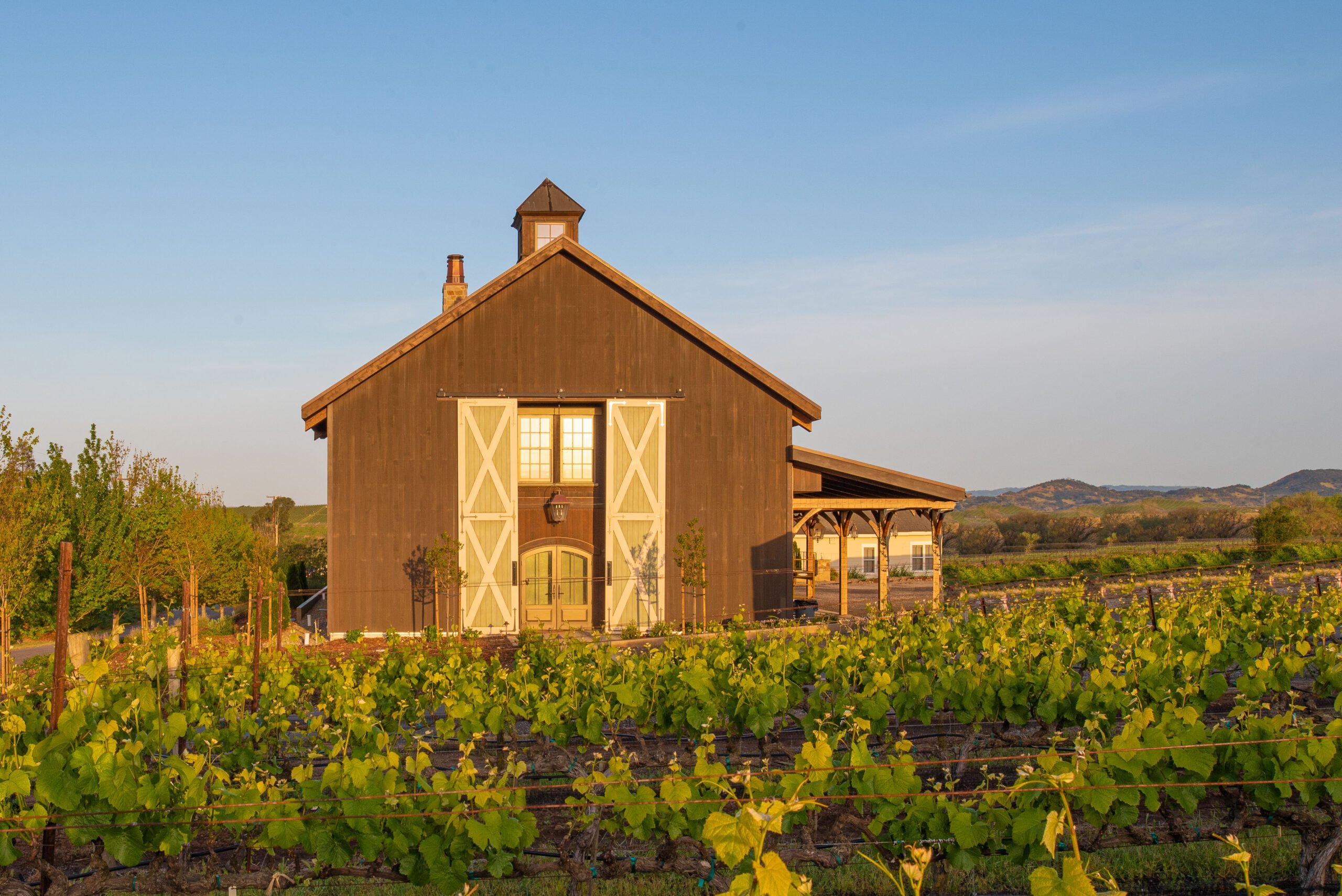
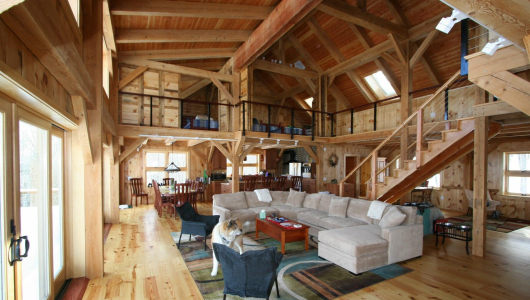
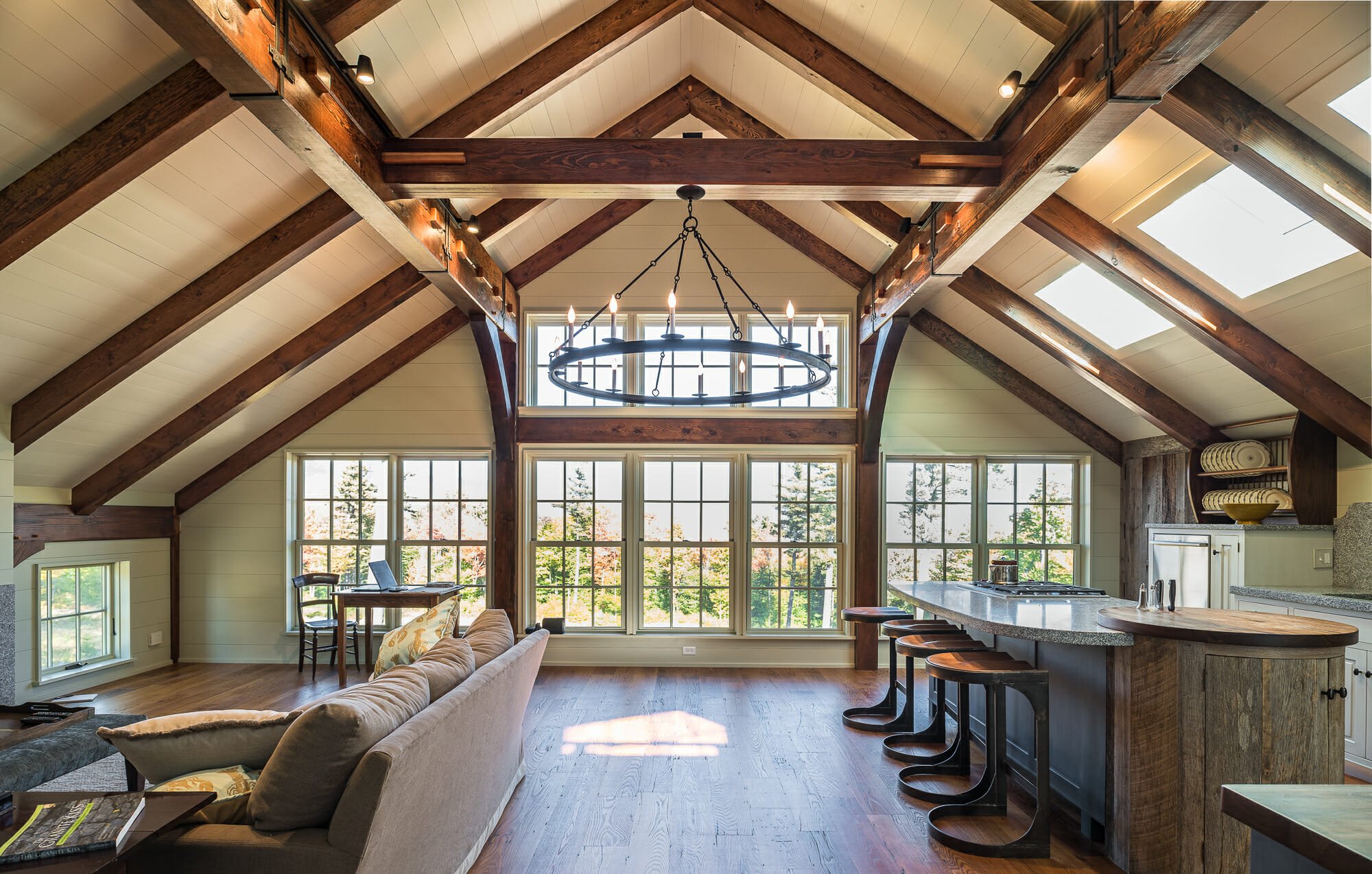
Yes! Many of the barn projects that we do are actually for people to live in (our clients like to call them barns and often they look like barns from the outside). We also build post and beam party barns, car barns and wedding barns.
How big should a wedding barn be?
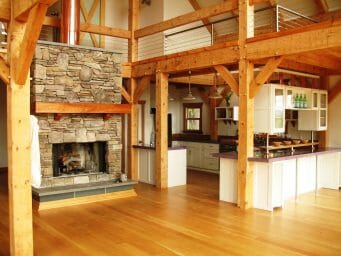
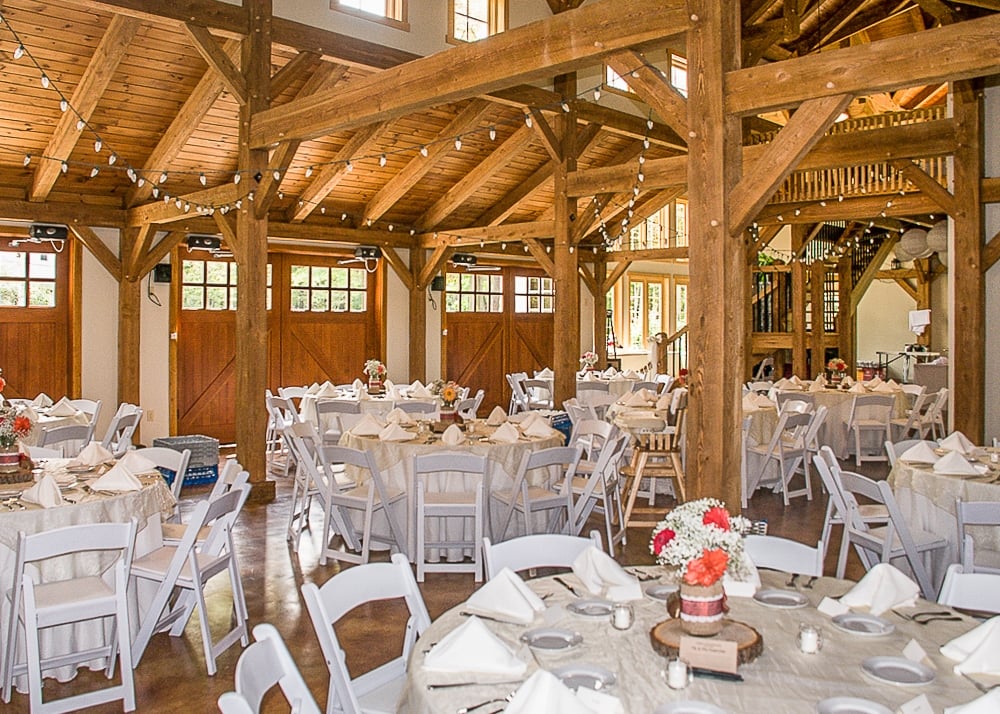
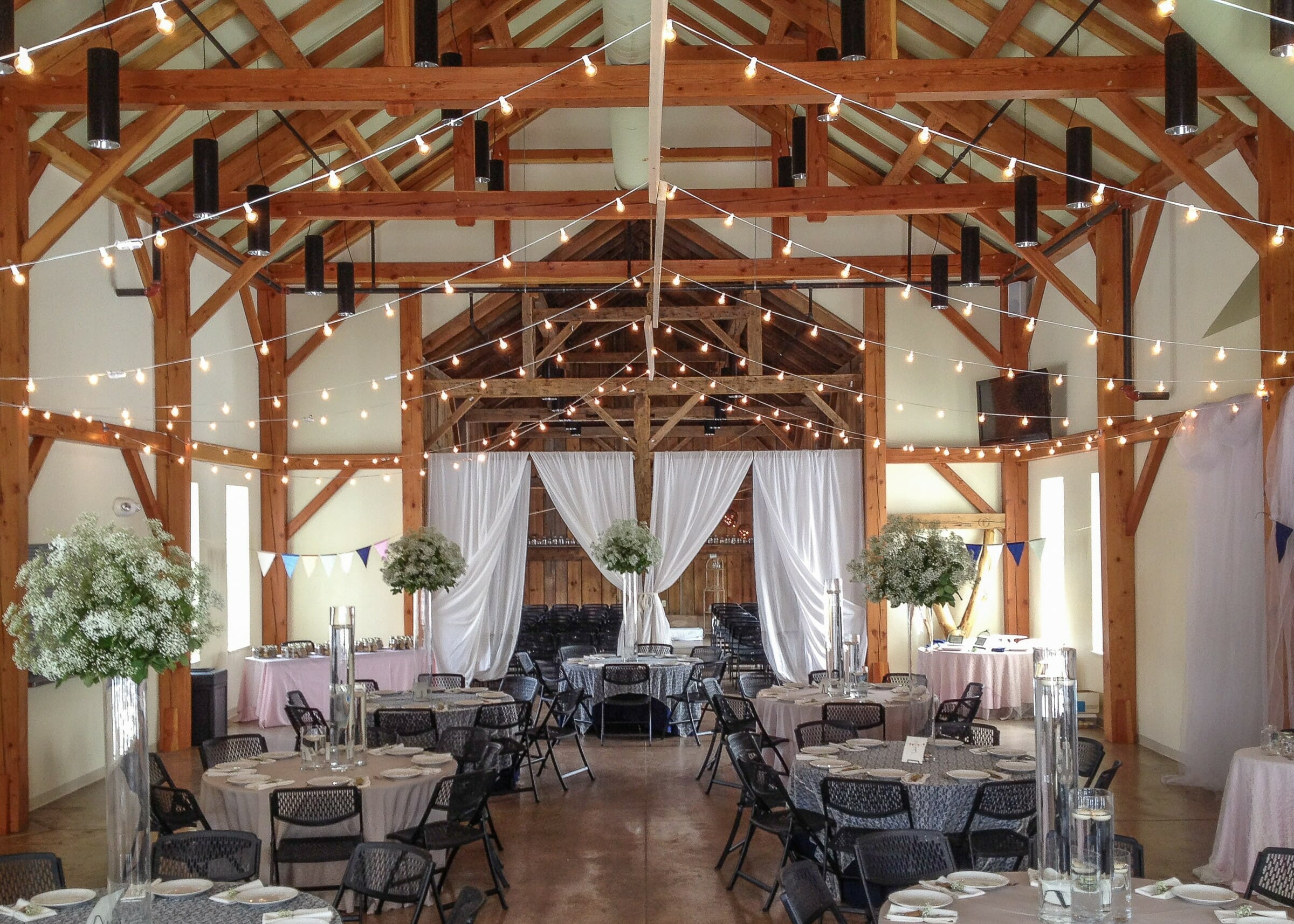
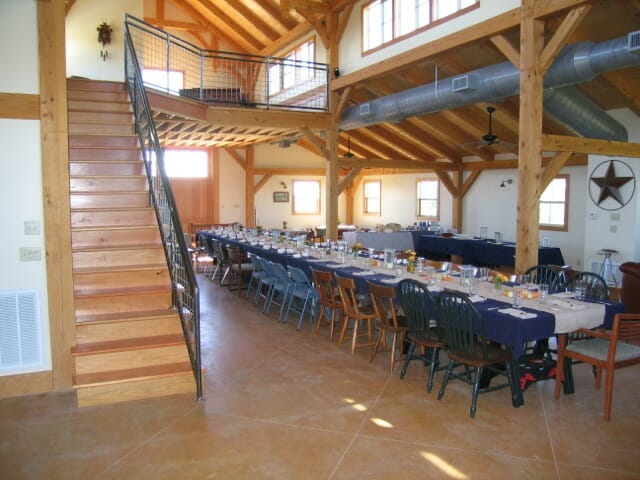
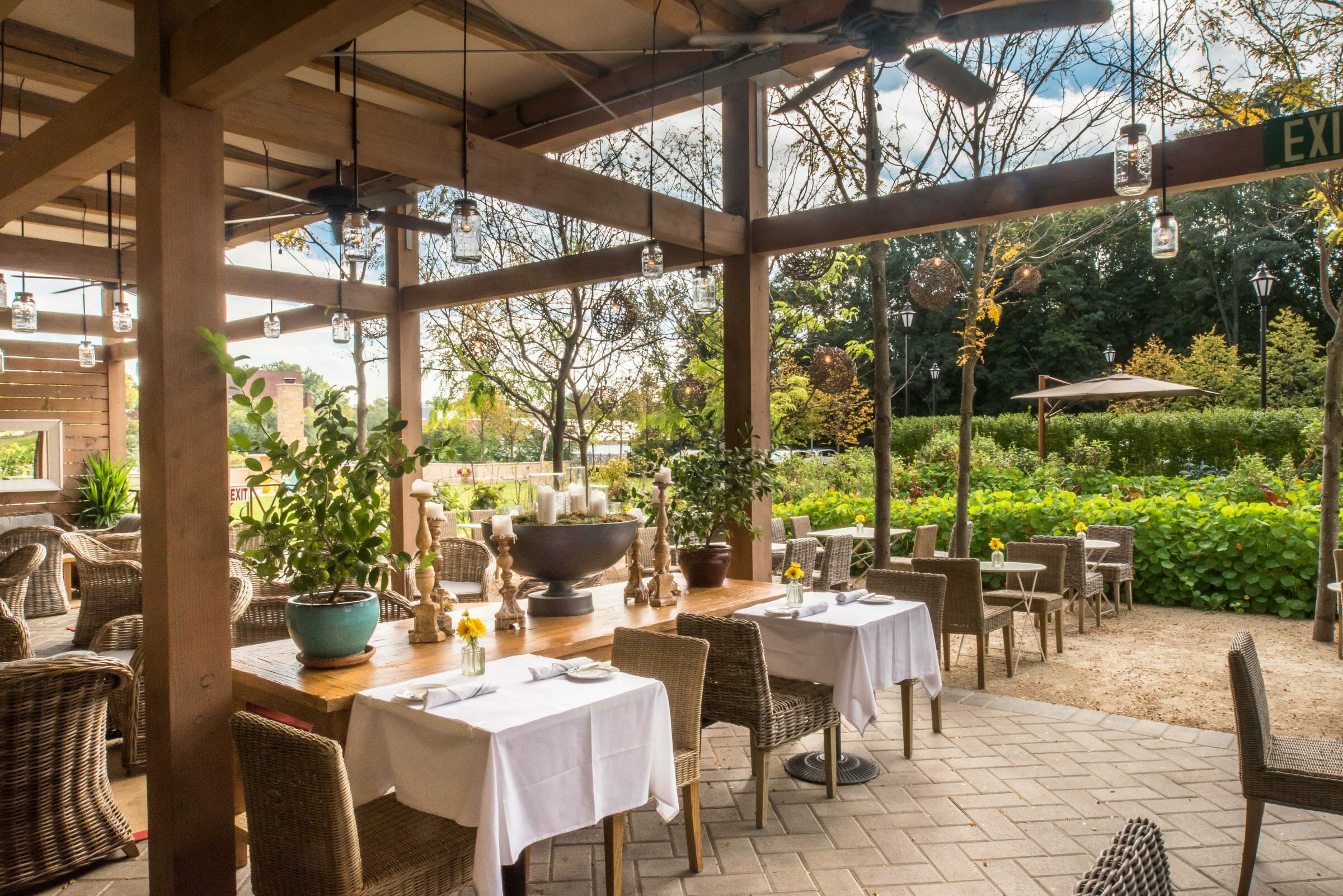
A timber framed wedding barn can be any size depending on the number of guests. A nice place to start is 40′-0″ wide by 84′-0″ long. One section of 40′-0″ wide by 60′-0″ long can be open to the rafters with great places for seating, lighting and decorations while the remaining forty by twenty four foot area can be two floors, with a kitchen and bathrooms on the first floor and dressing areas and a loft over looking the main floor. A grand staircase from the loft to the main floor makes a perfect entrance for the bride.
What is a typical size for a timber framed horse barn?
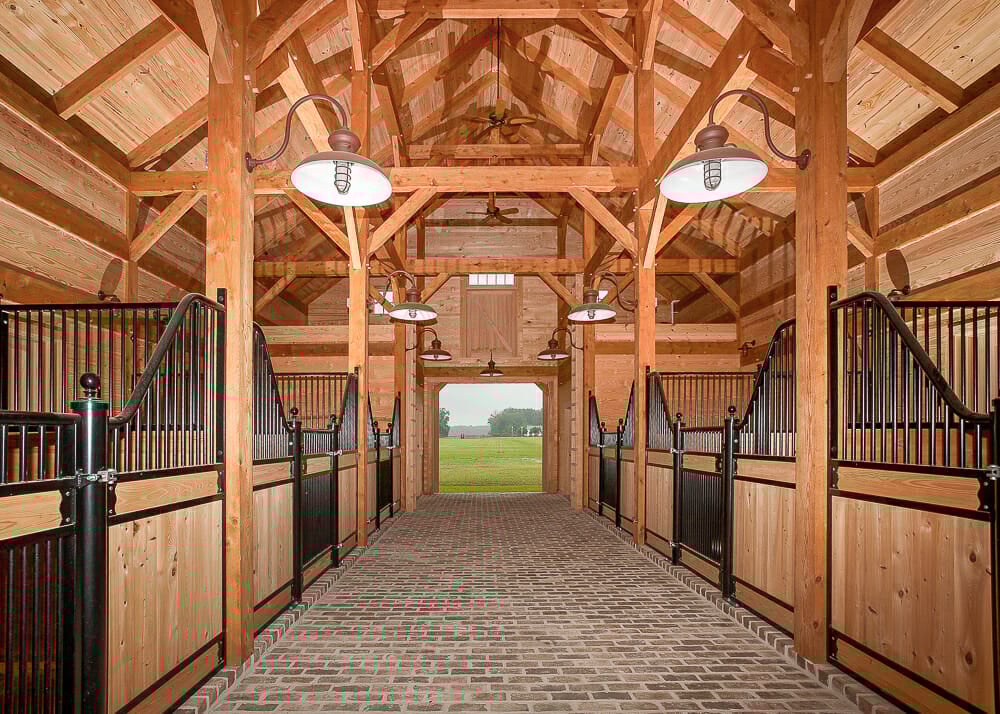
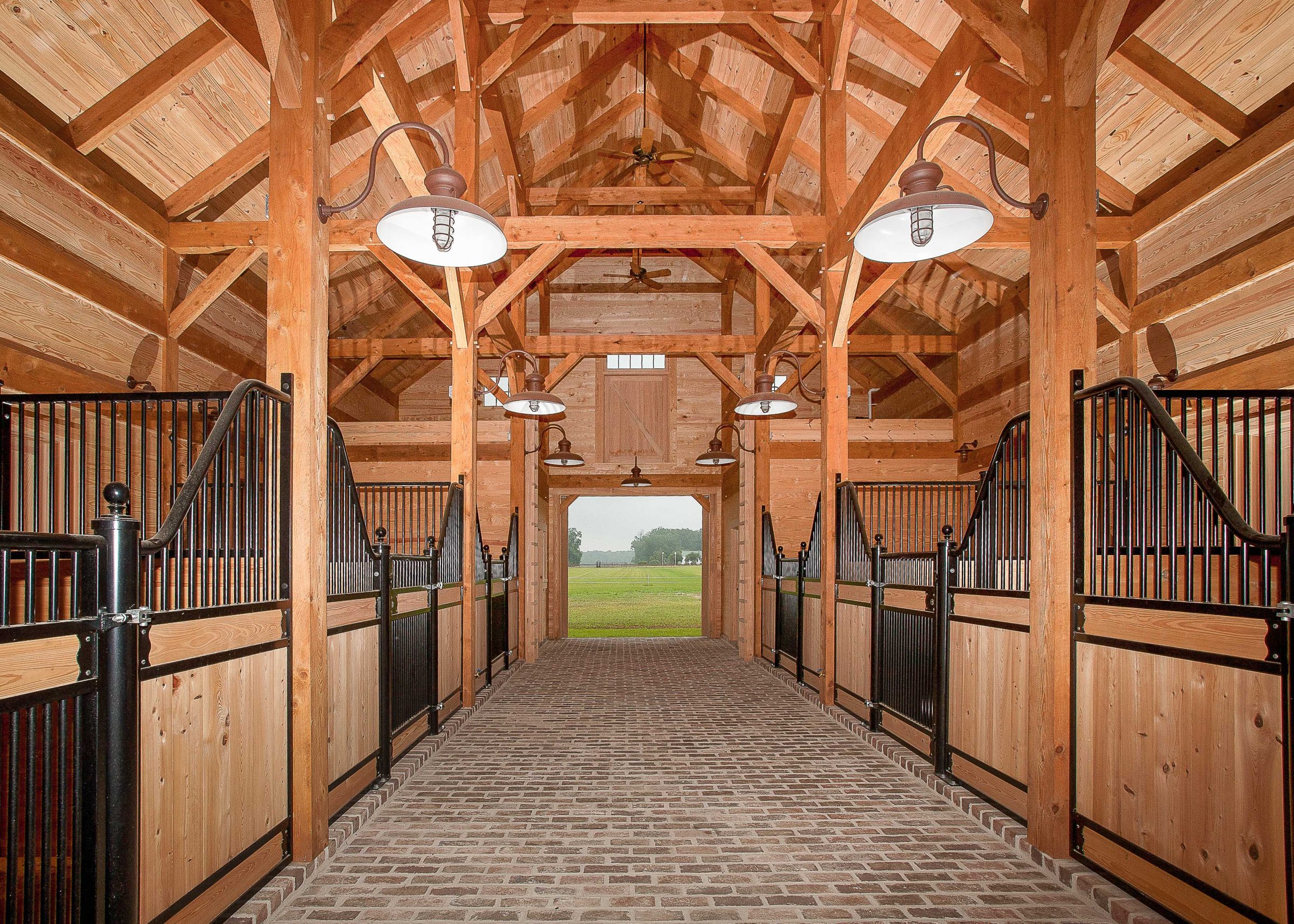
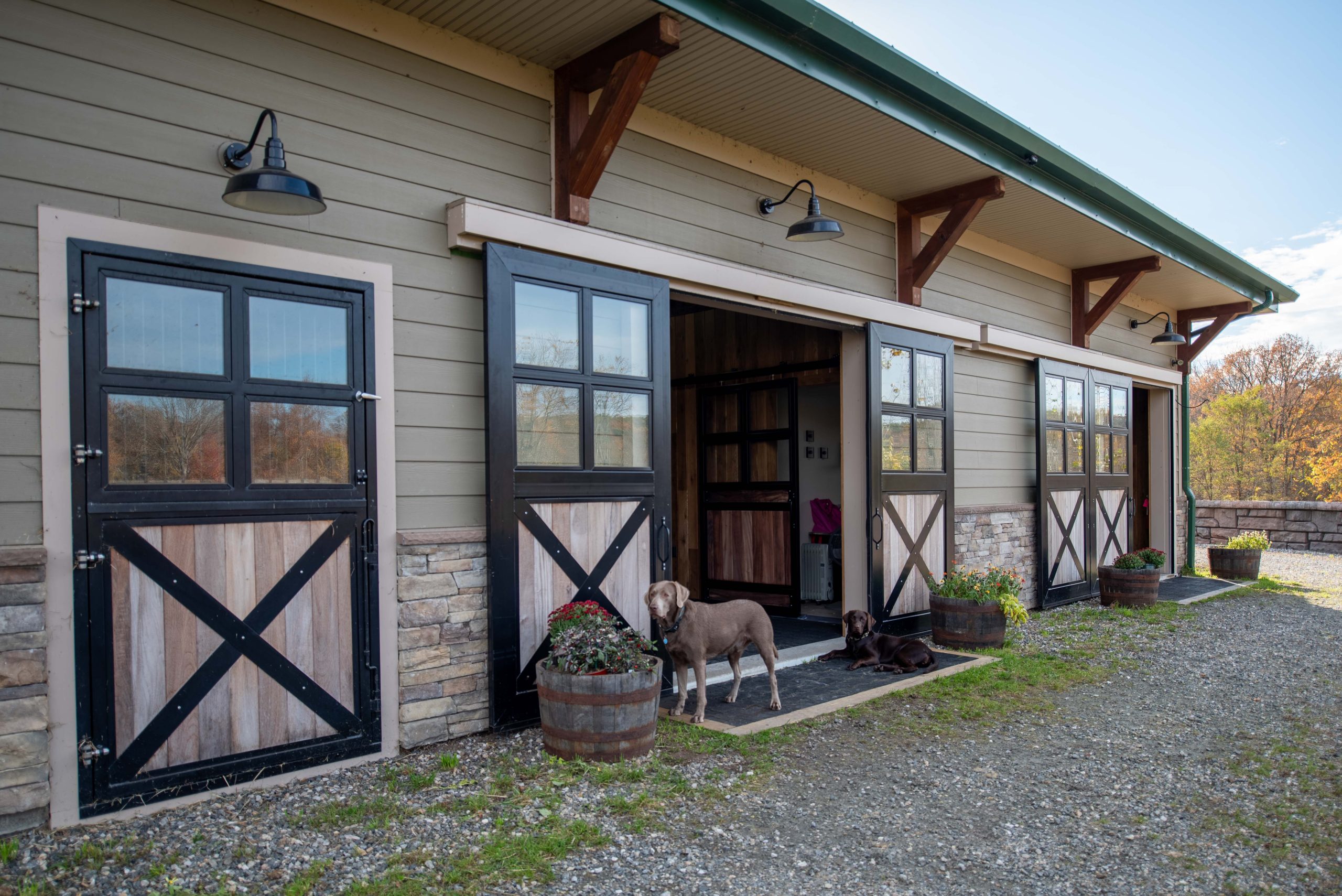
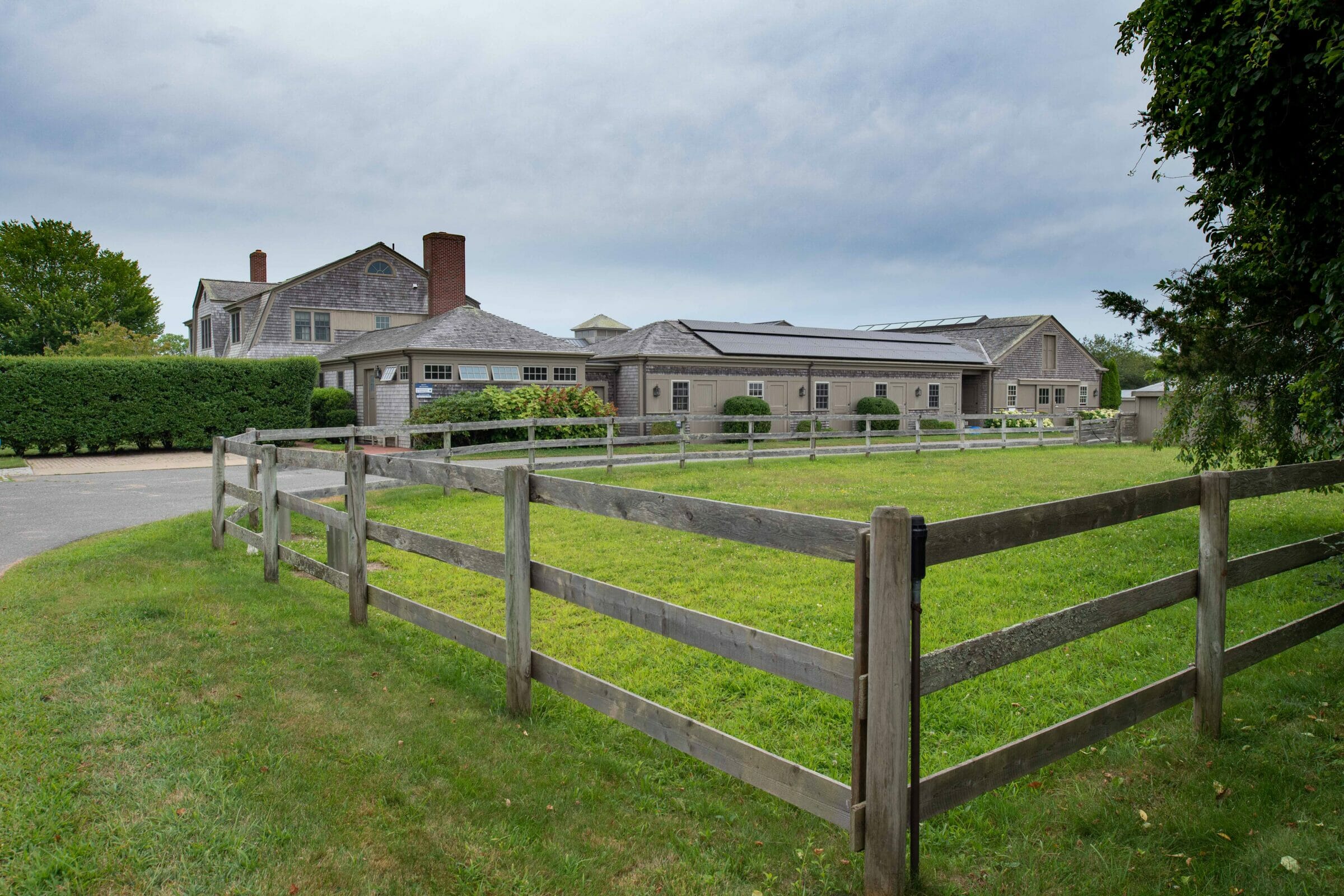
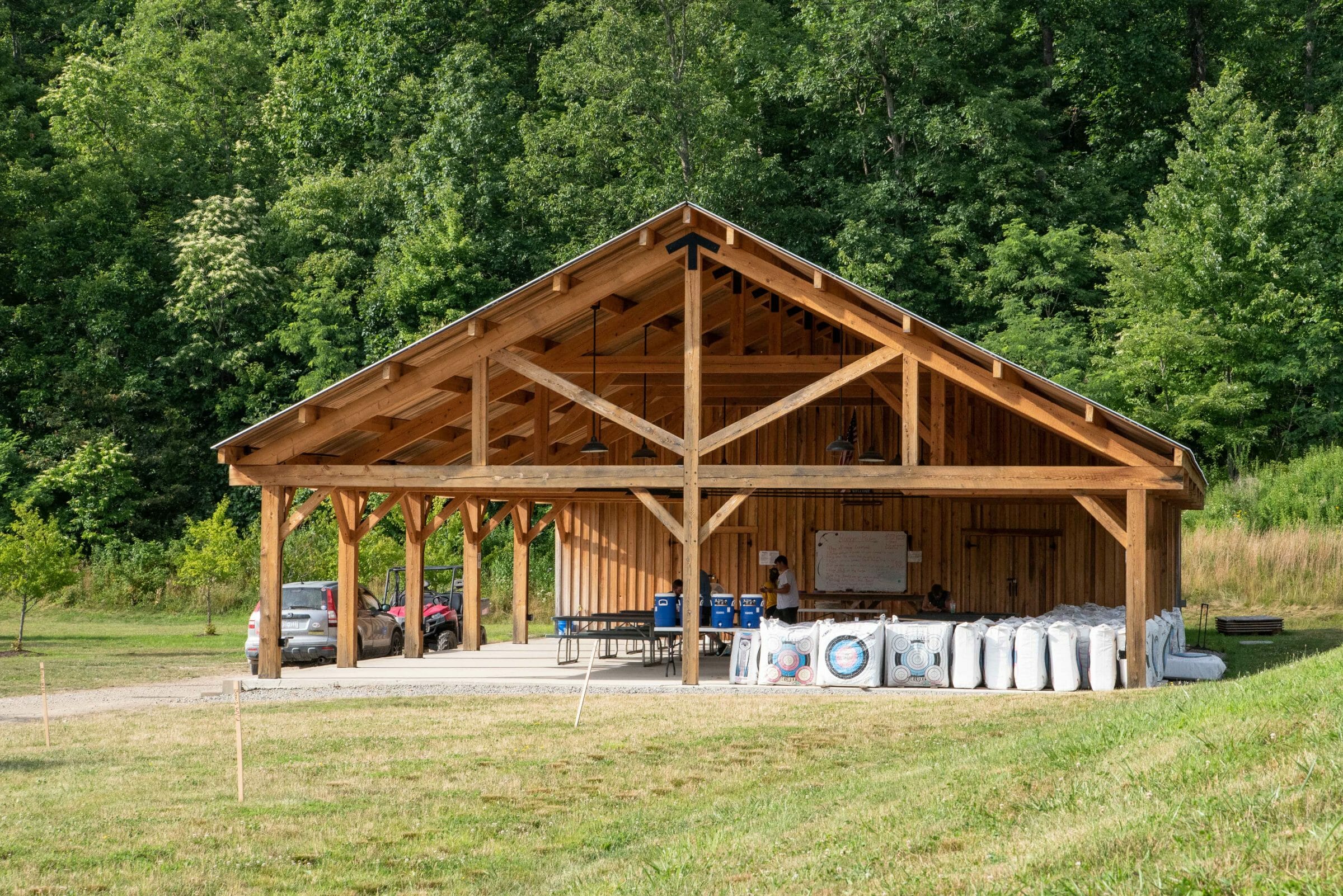
Most horse stalls are 12′-0″ x 12′-0″ on center, so the size of the barn is based on those size grids. In cross section, a twelve foot stall – a twelve food aisle – and a twelve foot stall – for a thirty six foot wide building is very common. The length can then be any multiple of twelve feet. Besides the stalls, most horse barns have a wash stall, a feed room and a tack room which takes up three sections. So a four horse barn could be 36′-0″ x 48′-0″ . Vermont Timber Works has build horse barns that are 120′-0″ long, but there is no limit. A popular option is to add covered loafing sheds on one or two sides just outside for the stalls. The Carolina Horse Barn has that look.

What is the floor of a horse stable made of?
The floor of the center aisle is usually broom swept rough concrete or brick, sometimes with rubber mats for grip. The stall floors can be clay, or concrete with rubber stall mats. It is important that the posts sit on concrete or brick in a horse barn, above the level where water can sit an accumulate over time. Horse barns are notoriously wet from washing horses, filling water buckets and urine from the horses. The post bottoms need to be able to dry out in order to prevent rot in the timber columns.
Should there be a curb around the outsides and under the posts in post and beam horse barn?
Yes! Hoses and water is plentiful in horse barns. Water is used for washing the horses, washing the floors and stalls and also for watering the horses. One of the unfortunate characteristics of wood is that it rots. Even treated wood rots eventually. Keeping wood dry makes it last, so we recommend having the posts raised up by about six inches or more. Read about rot in timber posts here.
Can I store hay upstairs in a hay loft in a timber frame barn?
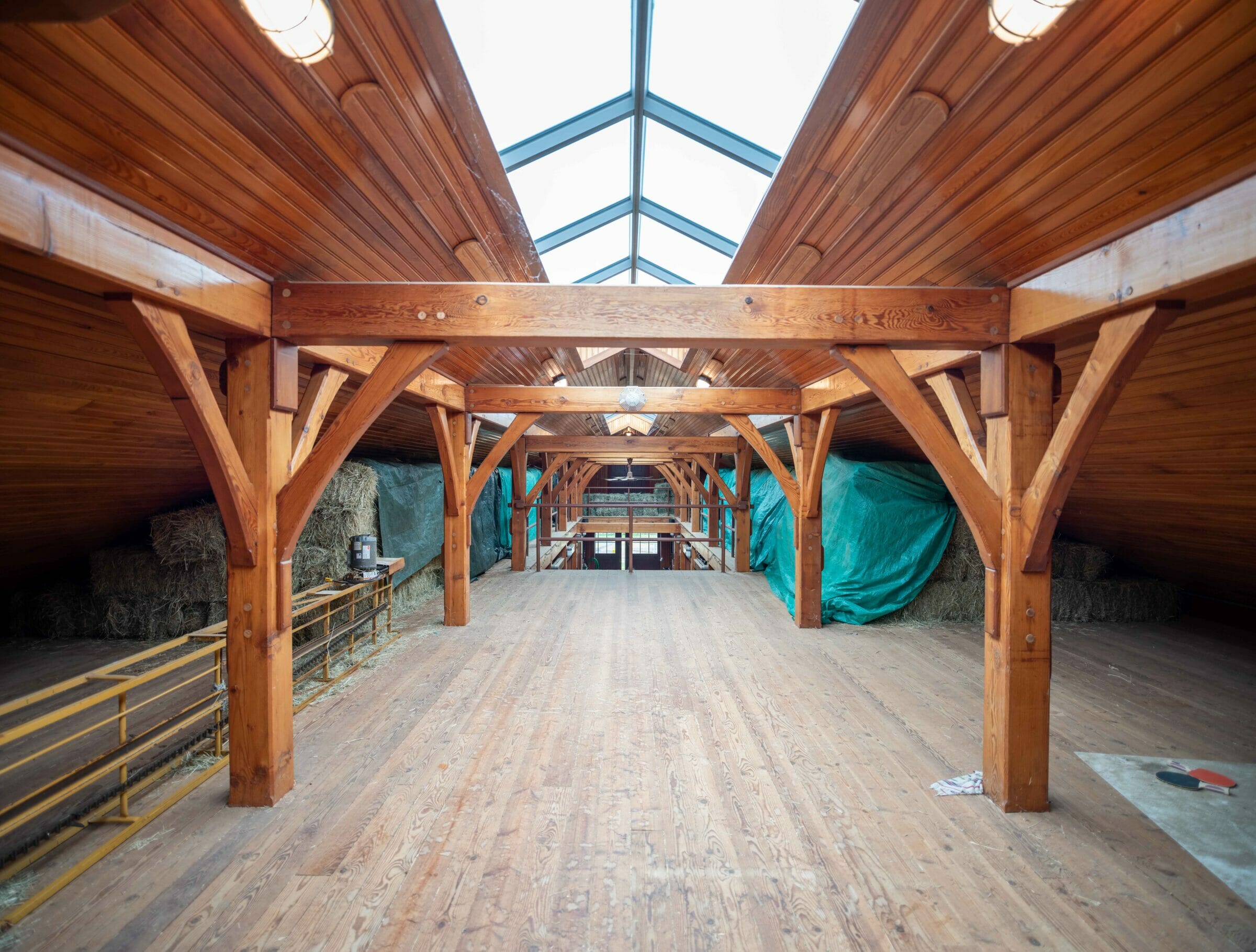
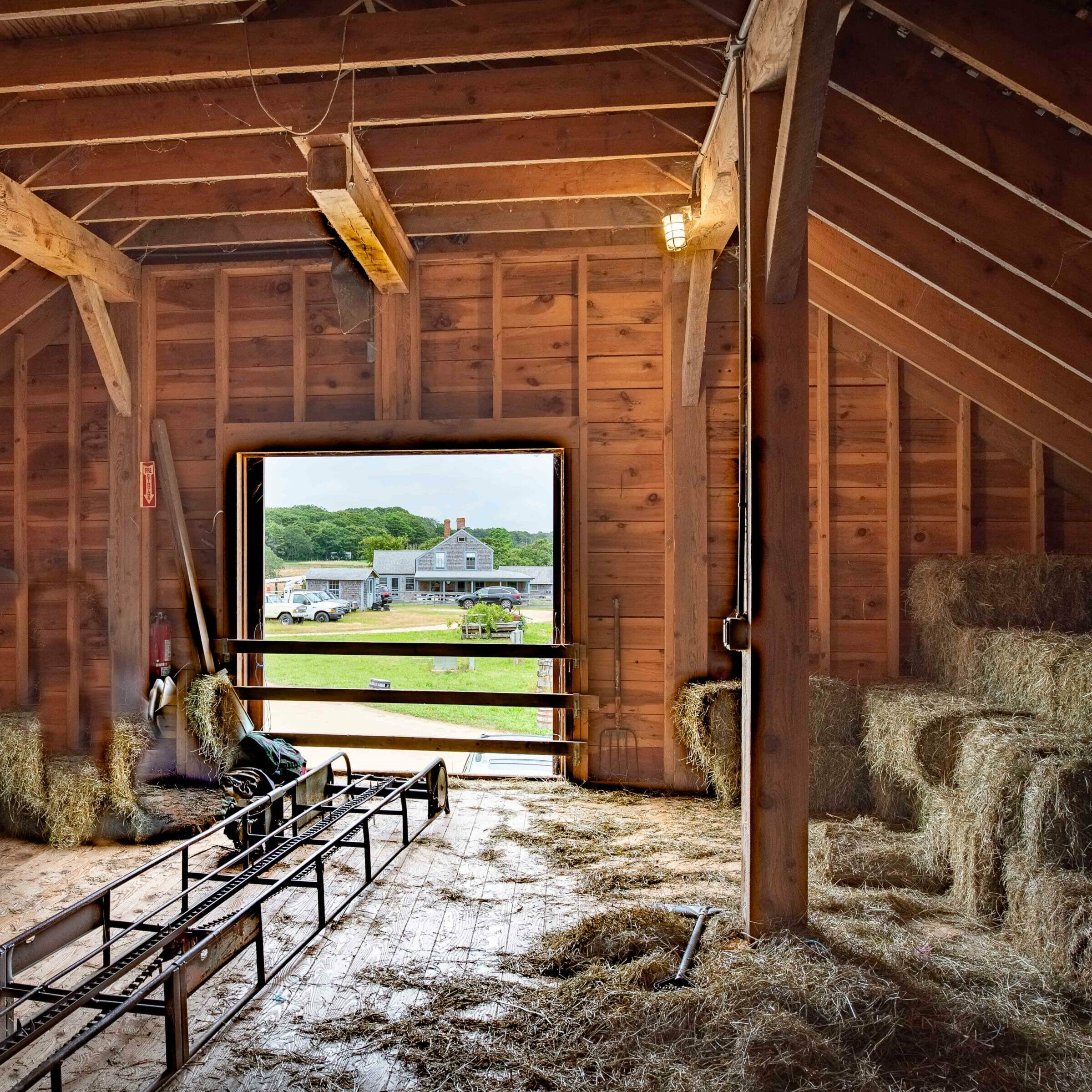
Yes you can. But remember, hay is heavy. When the upstairs of a post and barn is to be used for hay, we design the hayloft floor to support 100 pounds per square foot. Using regular joists in not good enough, they need to be bigger and closer together. 6×10’s 32″ on center is pretty common. the decking needs to be able to support the weight too. We will design and engineer all the beams and decking accordingly. Osprey Horse Barn of a good example of a working post and beam horse barn with a hay loft.
How are barn homes insulated?
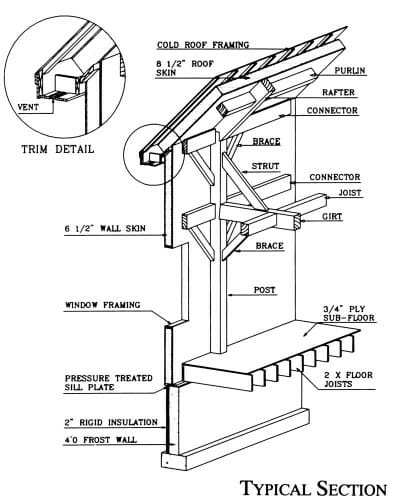
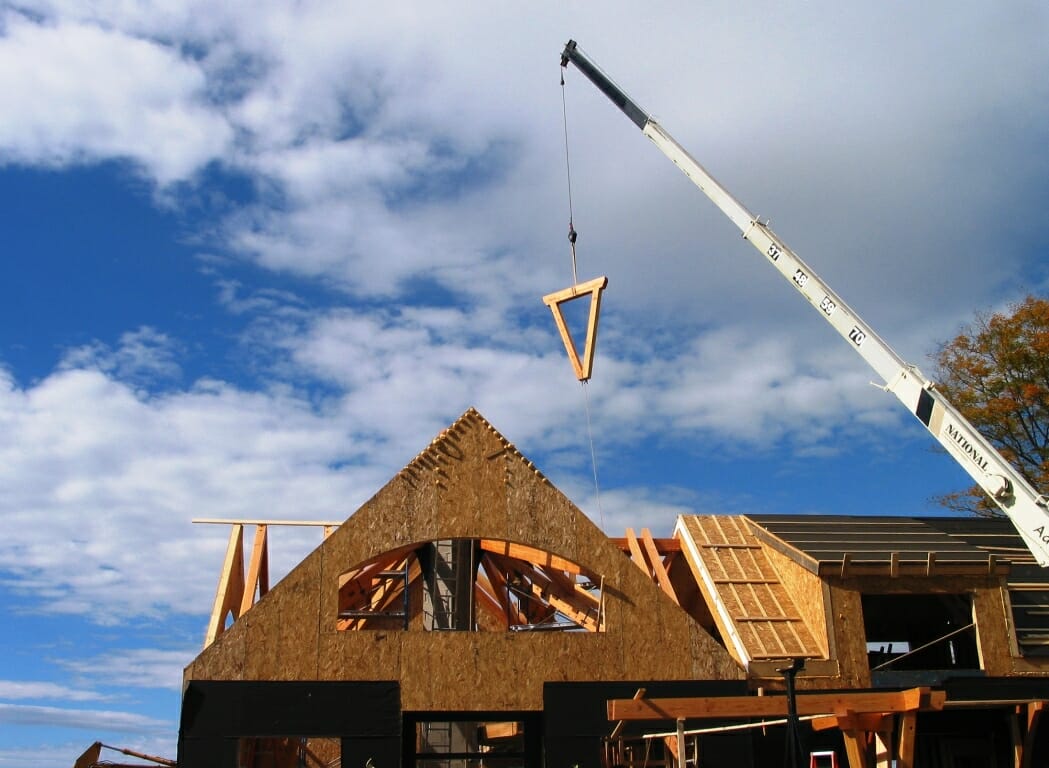
There a several ways to insulate a post & beam barn. A popular way is with SIPs (Structural Insulated Panels). SIPs are super insulating and super efficient. The outside layers of a SIP are made from OSB (Oriented Strand Board) and the inside is super insulating foam. SIPs come in panels that are four feet wide by up to twenty feet long. They are screwed directly to the beams and very quickly form the walls and roof of the barn. Windows and doors can be cut into SIPs anywhere. The foam is cored out at the edge of the window or door opening and filled with conventional wood framing. The windows and doors are then screwed to SIPs. The disadvantage of SIPs is the cost. They are very expensive. Eventually the savings in labor energy costs will help to offset the expense.
Another option is to conventionally frame 2x walls and roof and attach them to the post and beam frame by either infilling the 2x framing between the posts and beams or by building the wall outside of the frame making a shell around the building. The 2x framing is then insulated with rock wool or fiberglass insulation. The advantage of using conventional 2x framing to form the walls and roof and insulate a timber frame is the lower cost compared to SIPs, particularly when there are a lot of window and door openings. Another advantage is the ease of running electrical wiring and mechanical chases in 2x framing. Wiring in a post and beam barn that is enclosed with SIPs requires chases pre-formed in the SIPs, or using boxed baseboards and cornices.
A third option to insulate a post and beam barn is to use SIPs on the roof where continuous foam insulation is the most effective, and conventionally frame the walls where many doors, windows and mechanical elements make SIPs too expensive.
SIP Installation
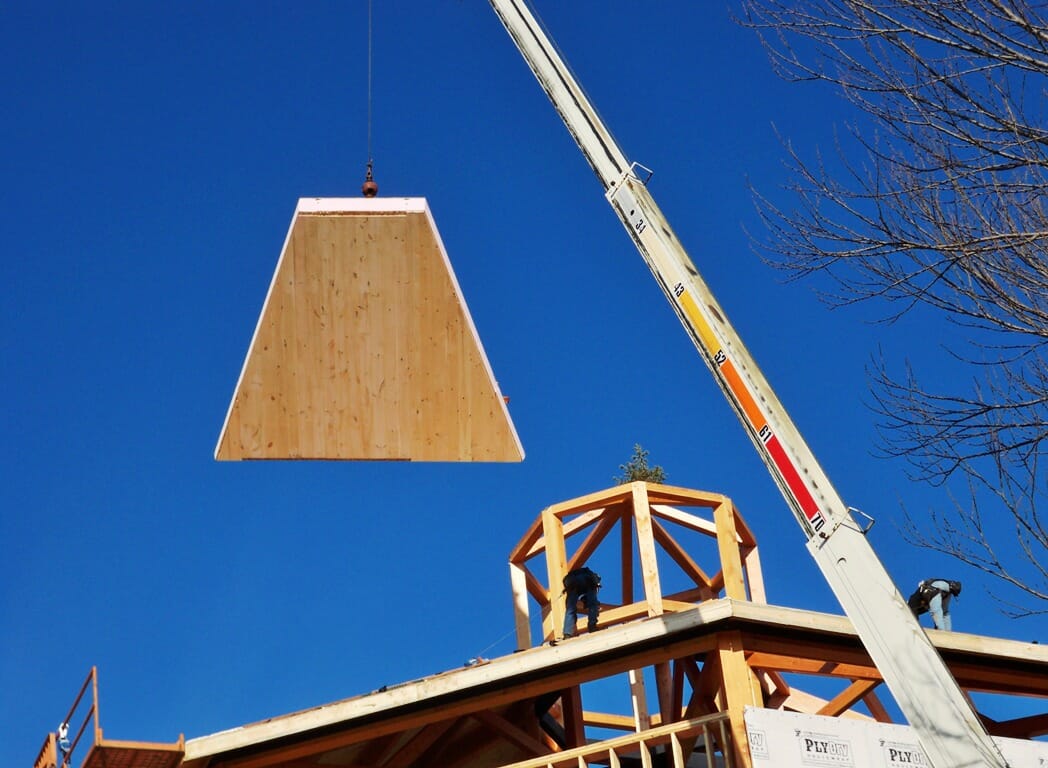
SIP Installation

Cross Section Through a Structural Insulated Panel
How do I choose a timber truss type for my post and beam barn?
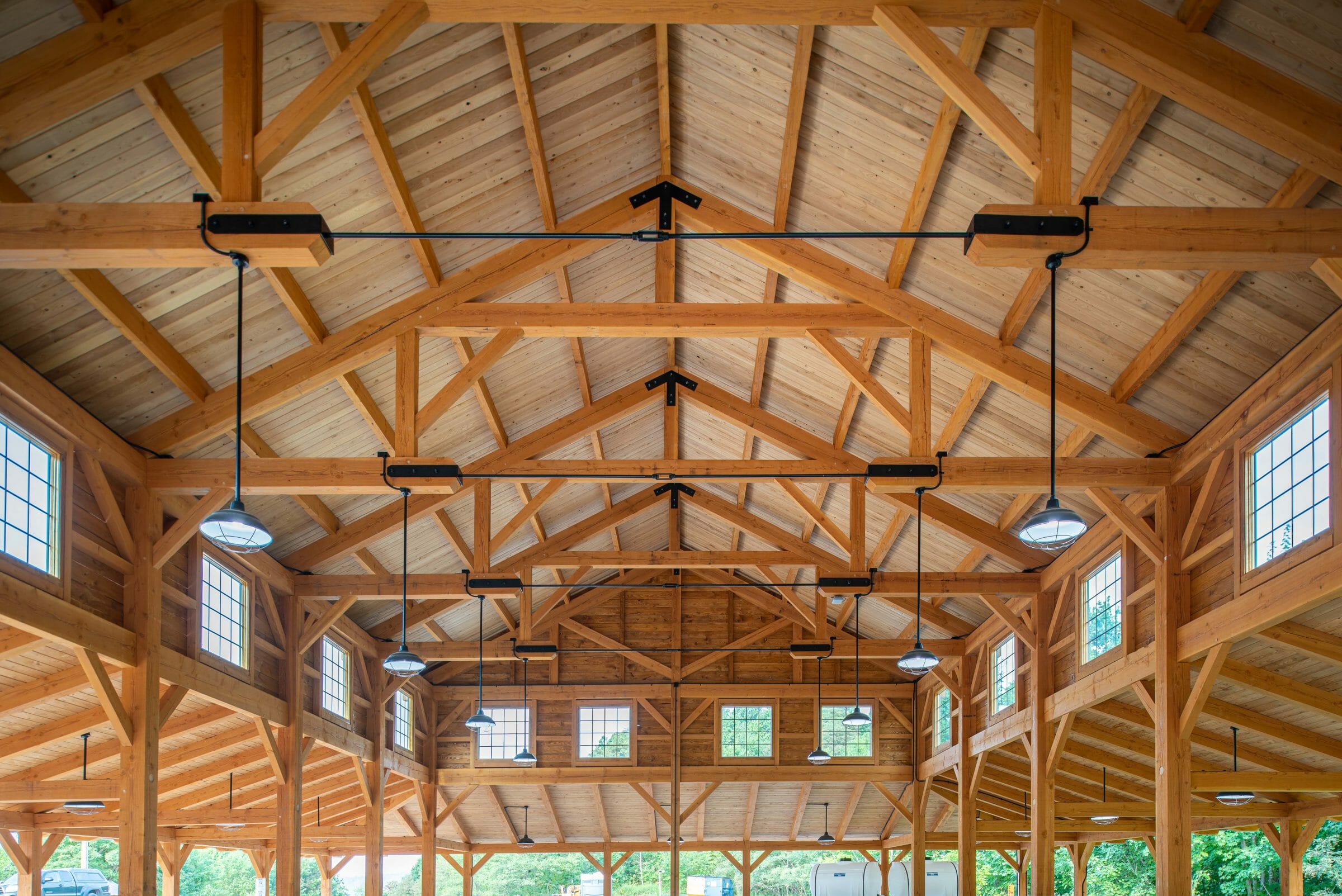
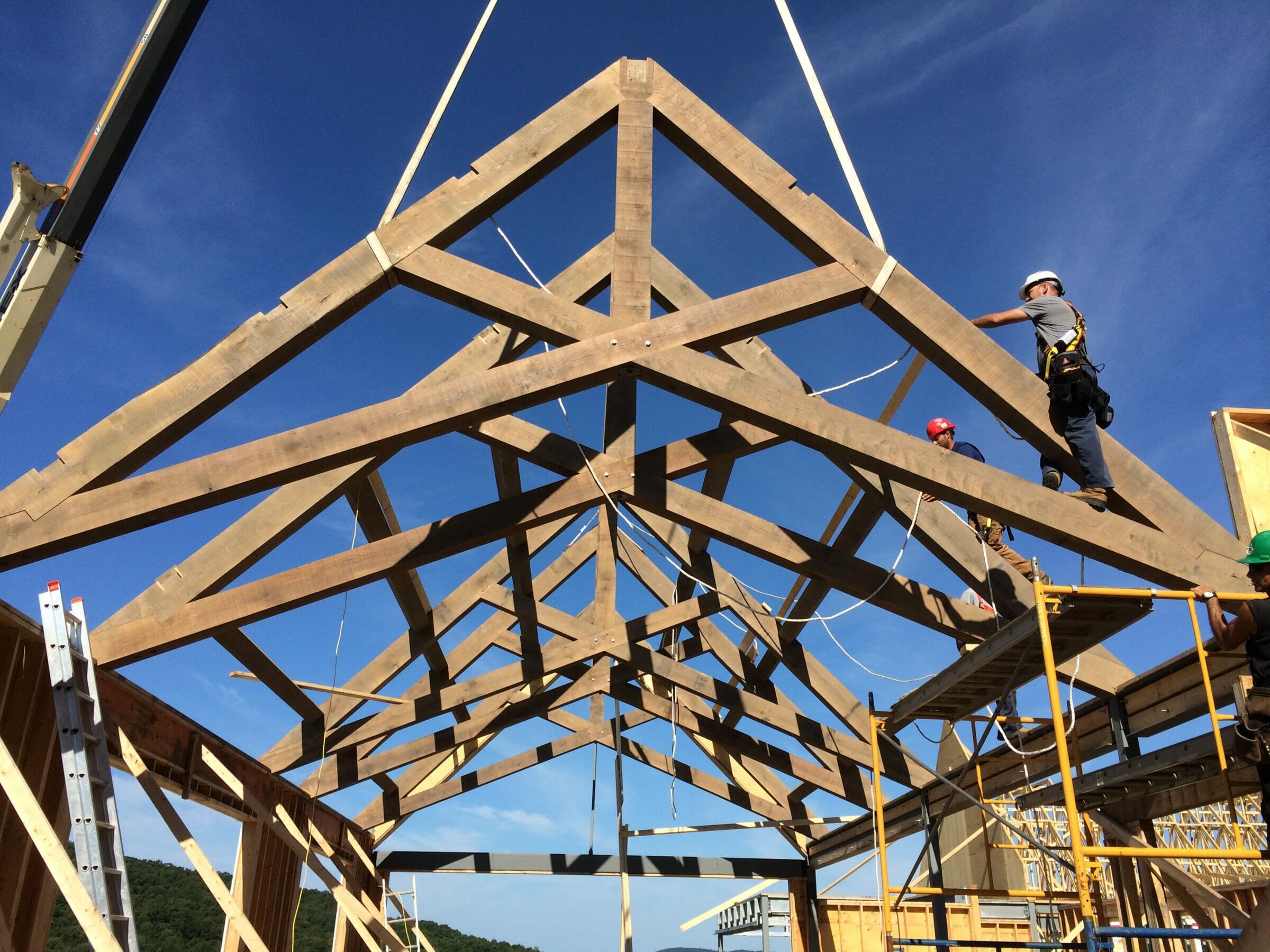
Timber frames and Post and Beam Barns can use a variety of truss types. Follow the links to see different heavy timber truss types: A King Post Truss is the most economical, and it can be embellished with curved webs and braces. A Gambrel Roof System is a classic barn design reminiscent of old dairy barns. A Modified Hammer Beam Truss also looks great in a fancy barn. A Scissor Truss is a choice too. Scissor trusses have bottom chords that are sloped to give more height in the center of the barn. A Traditional Post and Beam Barn is always a great choice too.
What species of wood is good for horse barns?
Definitely not White Pine! White Pine is a versatile wood for small post and beam barns, but horses eat it (crib on it) like candy. Hemlock and Douglas Fir are our wood species of choice for barns. Hemlock is a wood local to the north east and is strong and rot resistant. Douglas Fir is is even stronger and can span long distances and finishes beautifully for fancy barns. Wood Species and Finishes.
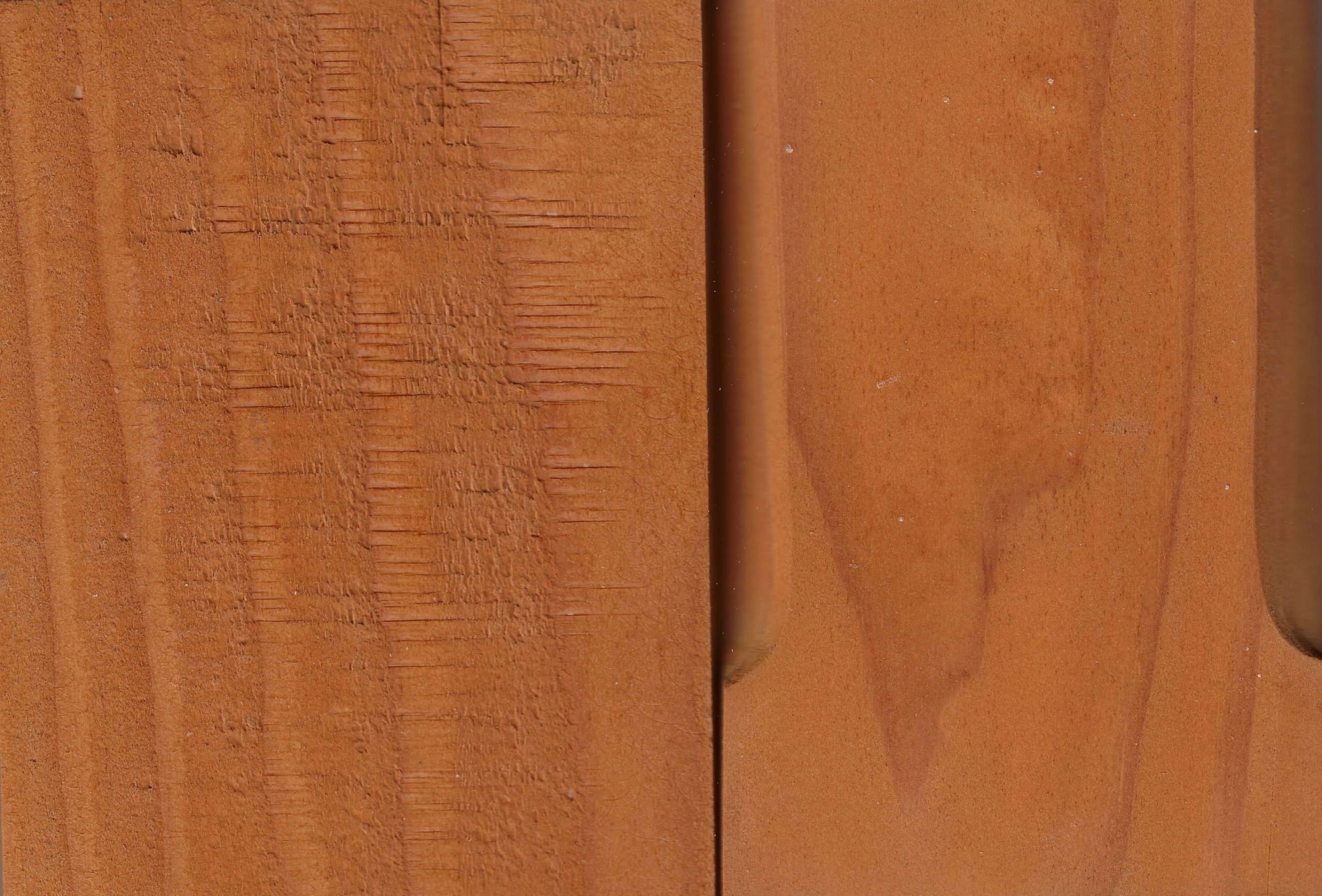
Douglas Fir Timber
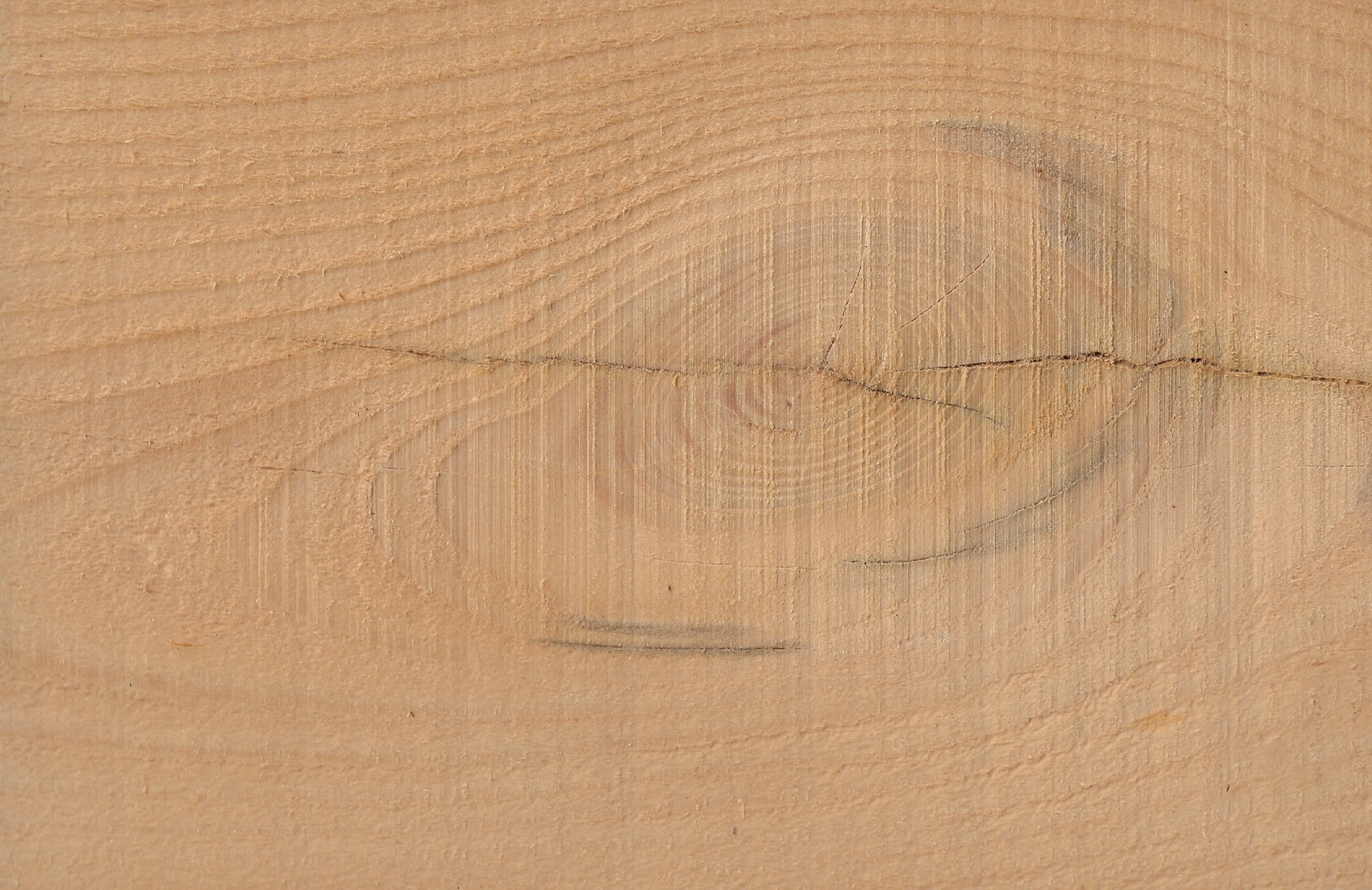
Oak Timber
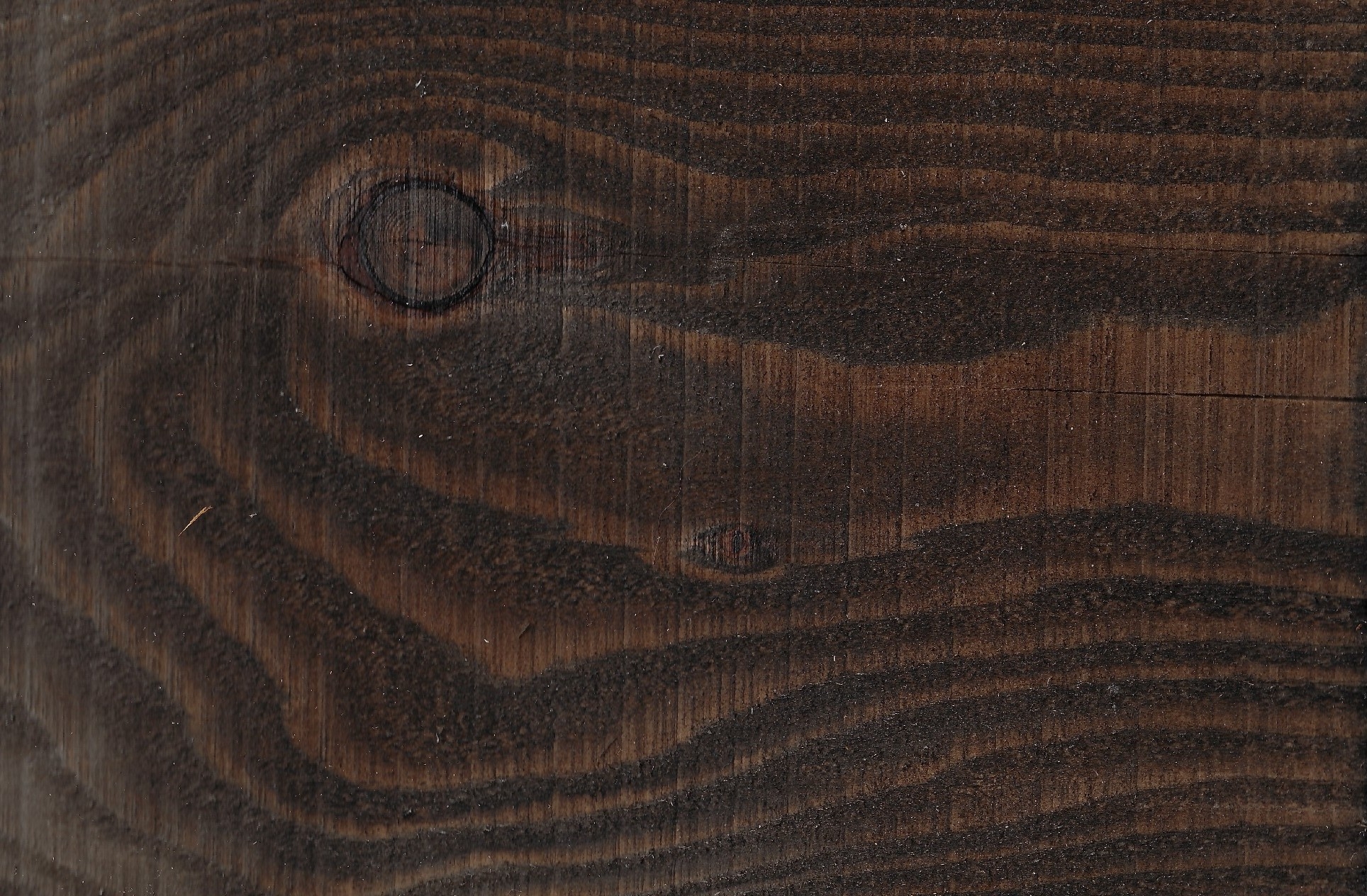
Hemlock Timber Stained Dark
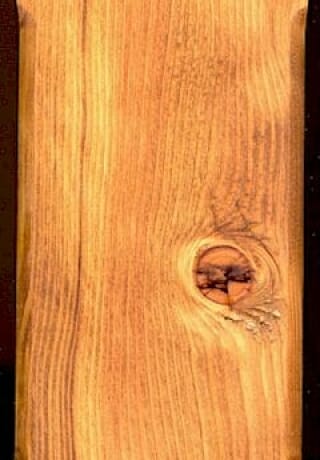
Douglas Fir with Golden Oak Stain
Can oak timber be Used in an equipment barn?
Yes. Oak is a great wood for timber framing equipment barns. It is strong, hard and durable and many people love the look of oak. It is prone to checking and twisting though, so you have to like that look. One sad thing about oak is that all the nice oak is being bought up to make whisky barrels, which is great for people who love their cocktails, but not so good for timber framers. Pennsylvania Equipment Barn.
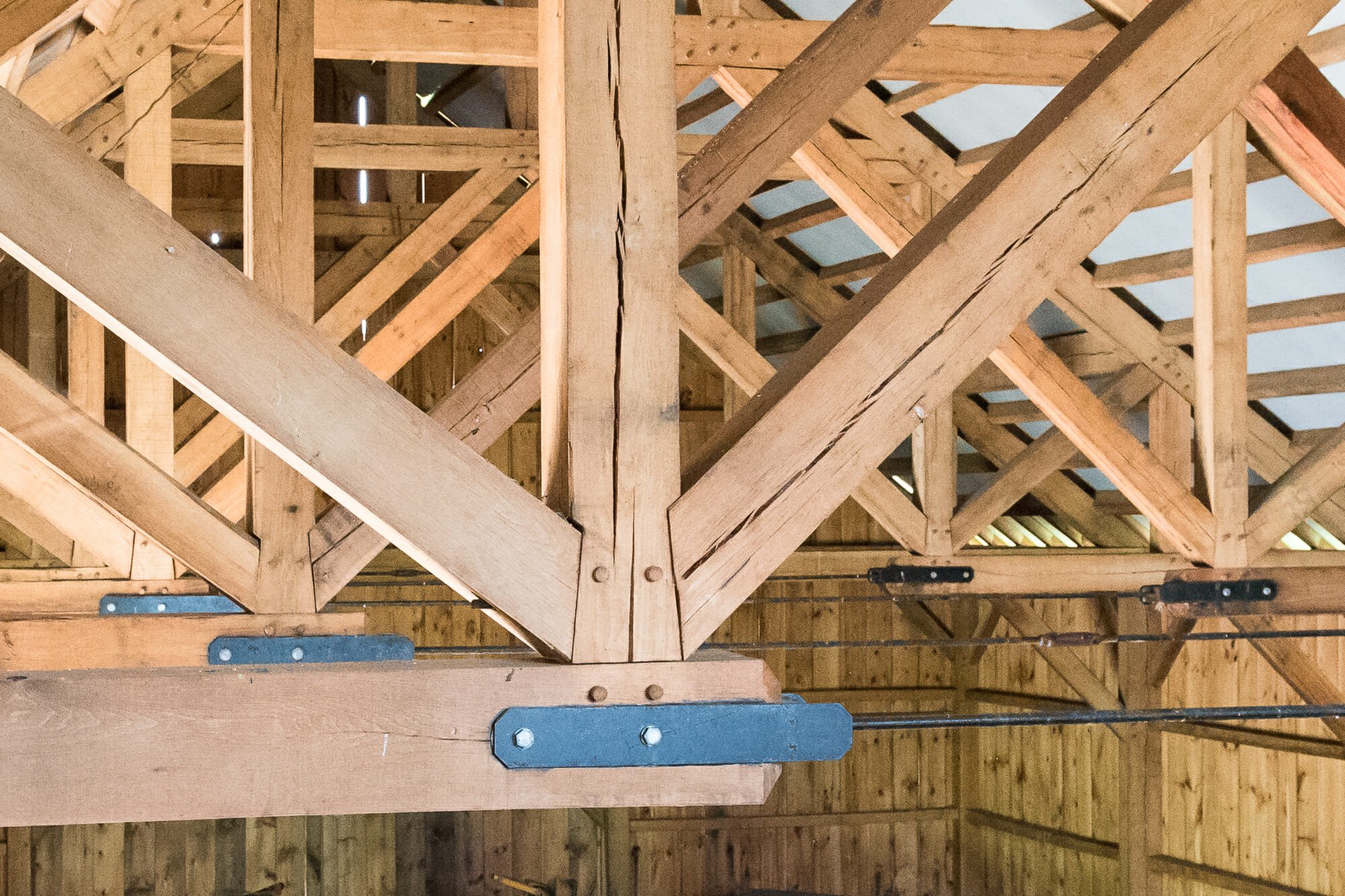
Oak Timber Framed Barn
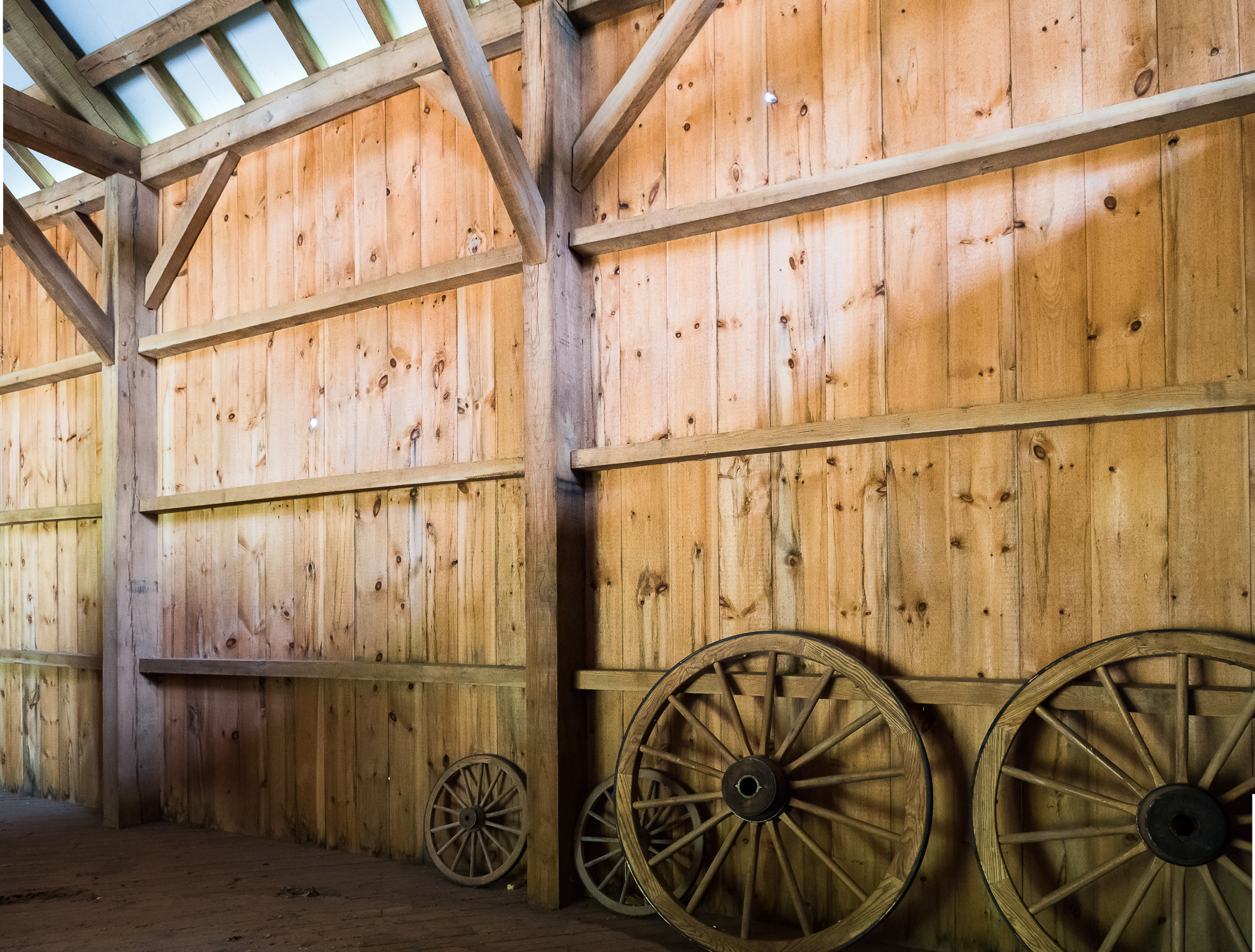
Side Wall of an Equipment Barn
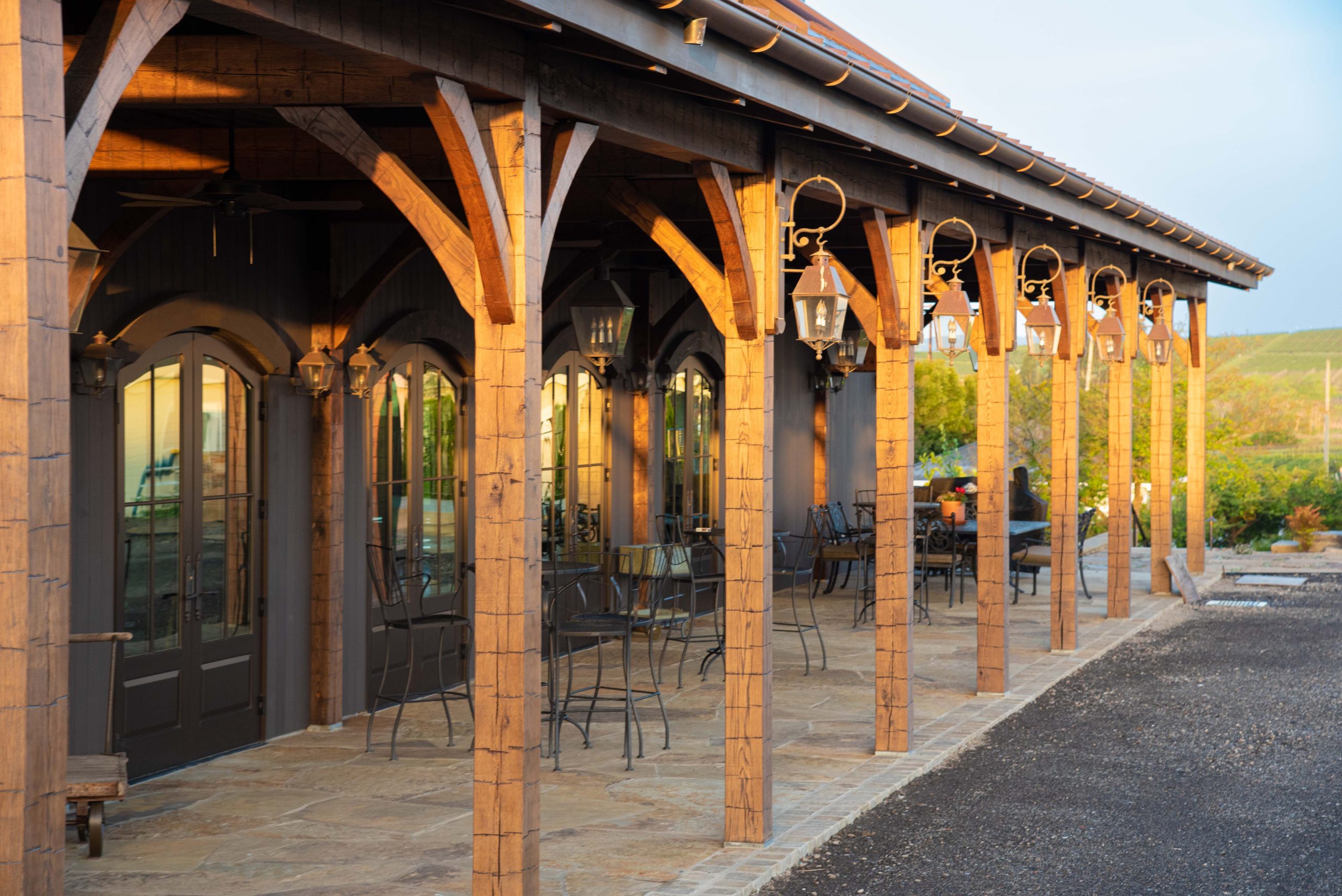
Hand Hewn Oak Porch
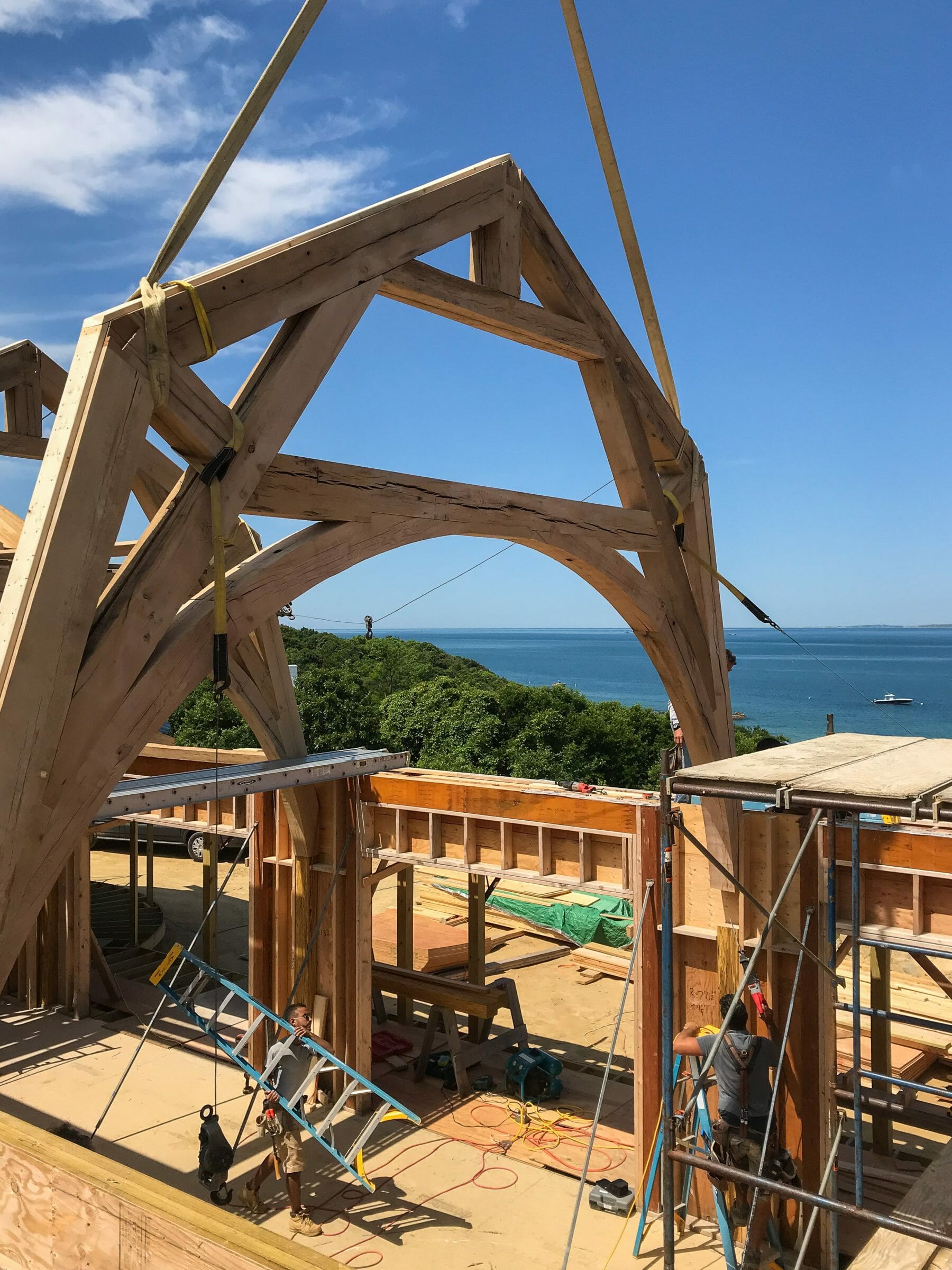
Reclaimed Oak timber Truss
Should my indoor riding arena be timber framed too?
Probably not. It can be if it is down south where the snow loads aren’t as great, but 60′-0 to 80′-0″ spans are prohibitively expensive to do in timber. Conventional trusses are steel frames are a more cost effective choice for riding arenas.
Can I fit a large tractor in a post and beam equipment barn?
Yes! Timber Framed and Post and Beam framed barns can be very tall and span long distances. We can easily design and manufacture Heavy Timber Trusses that span 40′-0″. We have spanned over sixty feet (although sixty foot trusses do get quite expensive). Side wall heights can be twenty feet tall or more, so we can build a barn that almost any tractor can fit in.
How is a party barn different from other barns you build?
Party Barns and Wedding Barns are not that different from other barns that we build from a structural stand point. They may have bigger rooms, longer spans and fewer posts to make room for dance floors and tables. Balconies and stairways are popular for the bride and bridal parties to enjoy, and they make a great entrance! Most party barns will be insulated against the elements and have larger doors and windows than equipment and horse barns. Bathrooms are a must too in a wedding barn. Texas Party Barn
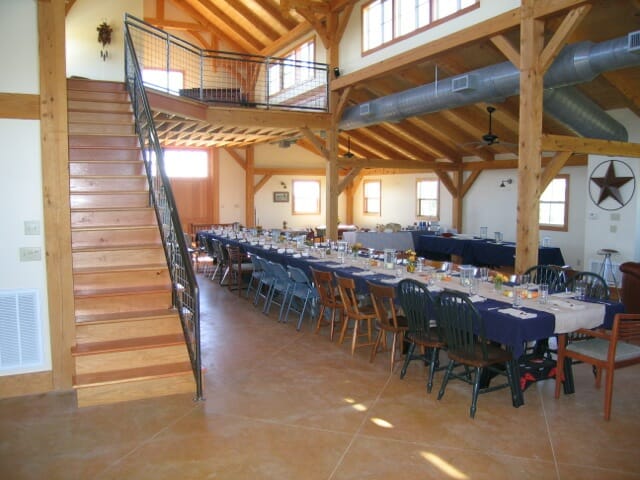
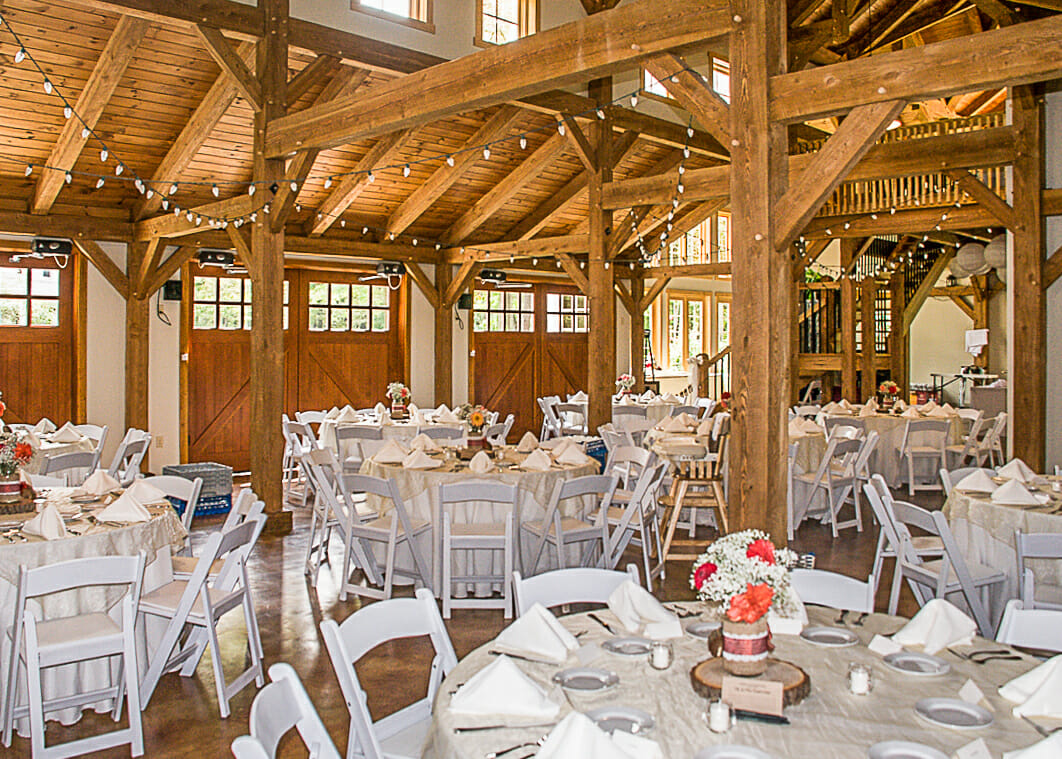
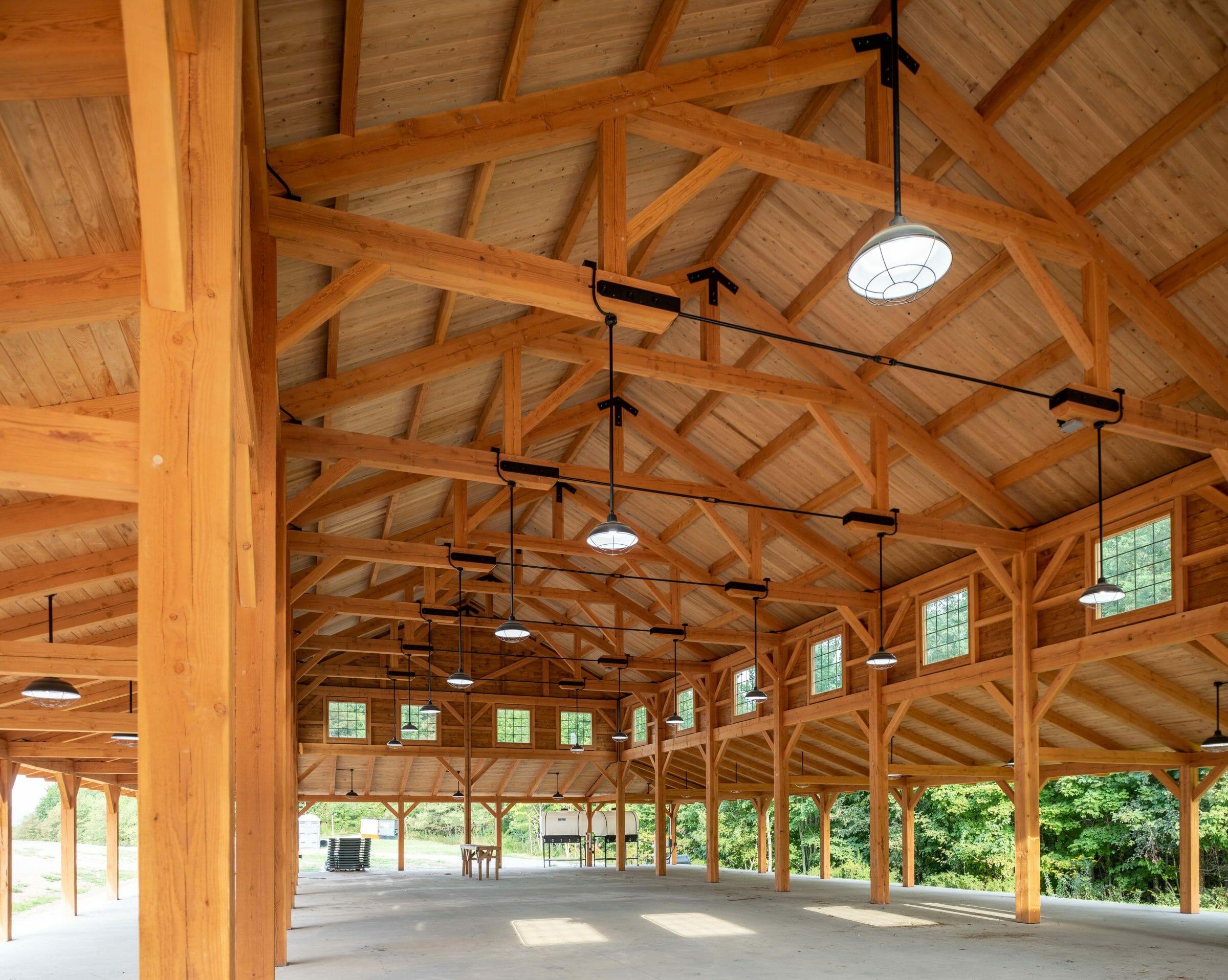
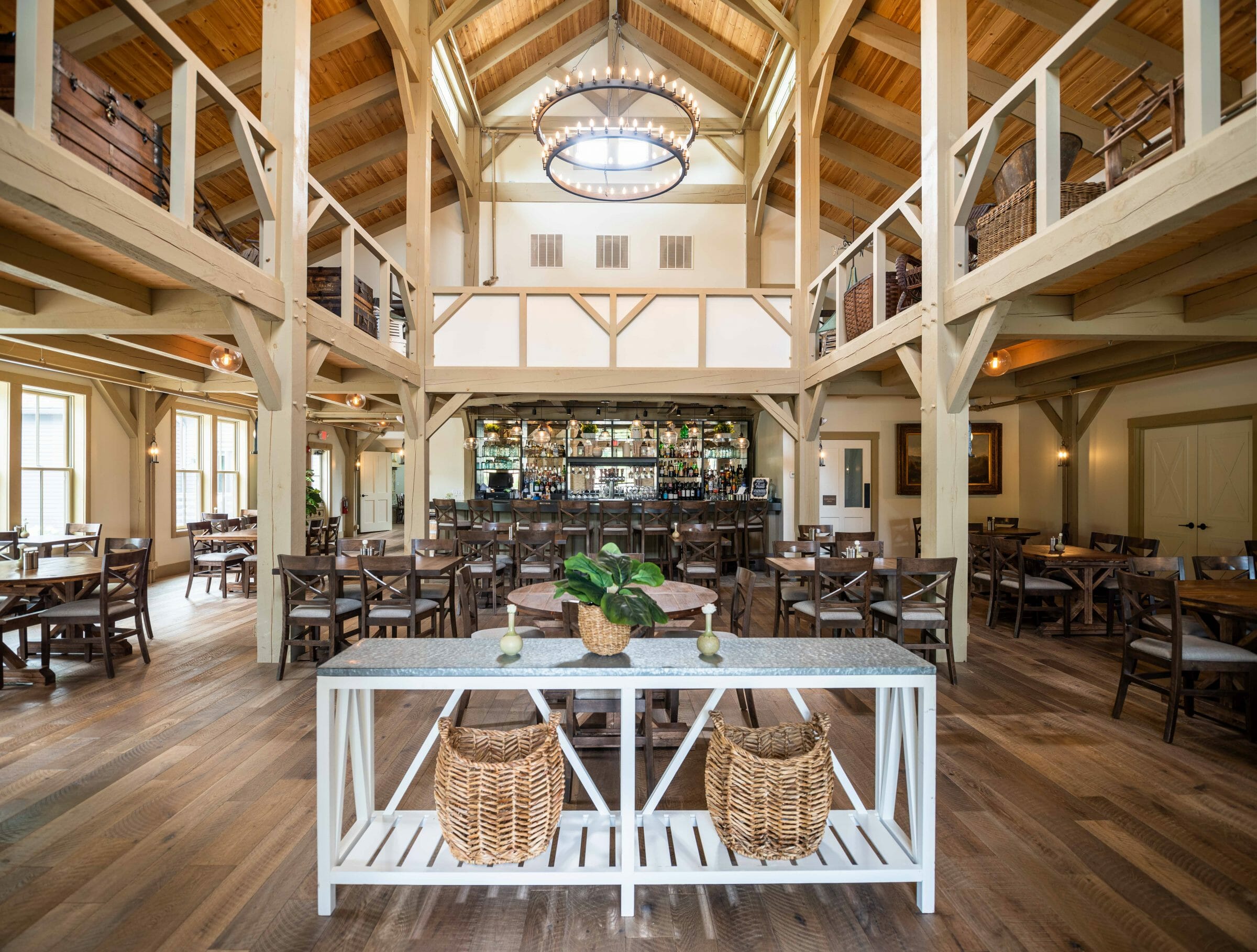
I saw a barn on your website I like. Can you design and build something similar for me?
Yes! It is incredibly helpful when clients come to us with ideas and inspiration for what they want their barn to look like, especially when it’s similar to something we’ve already built. We never build the exact barn twice, but we will happily customize your barn to meet your exact requirements.
Will you install the timber frame barn on my site?
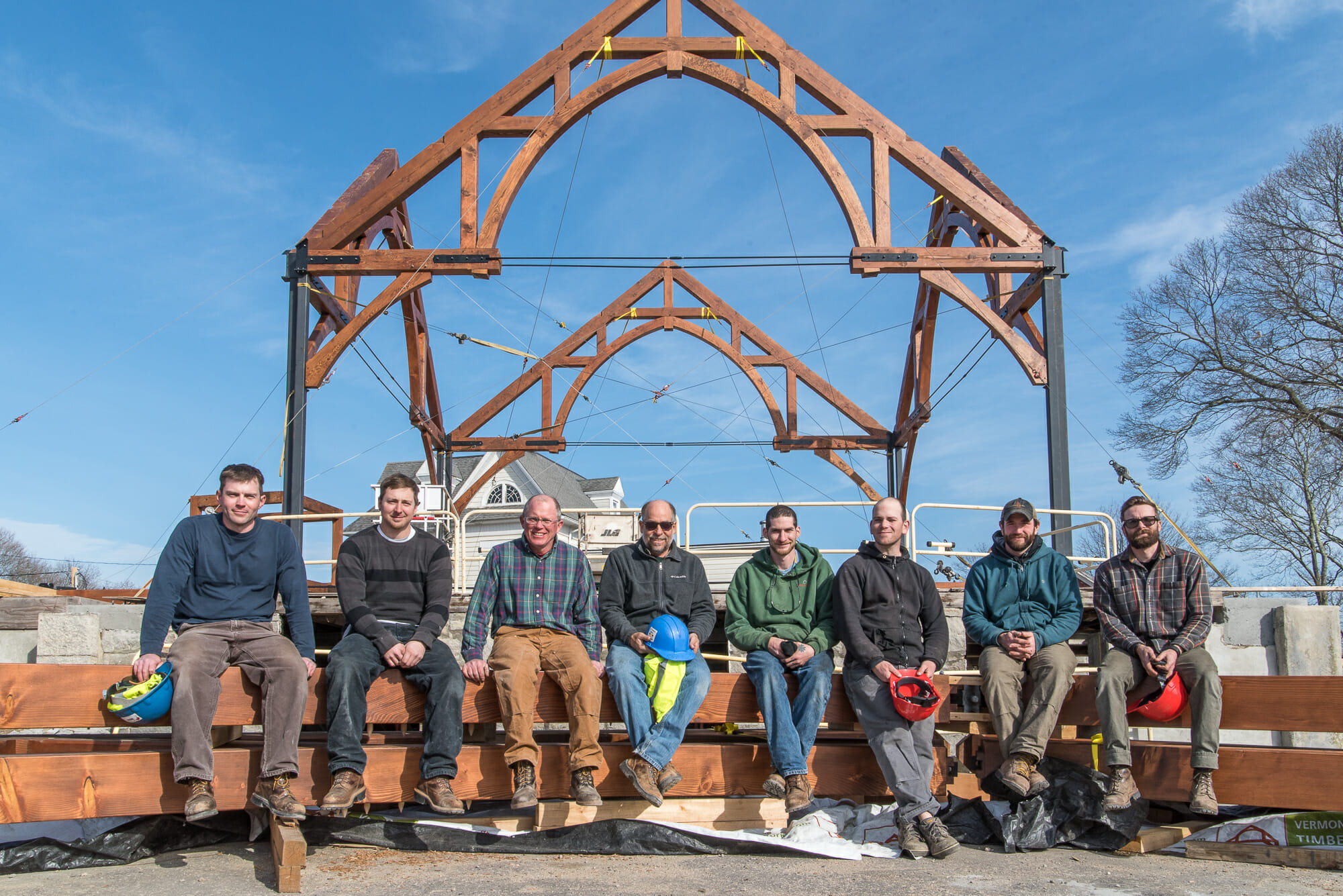
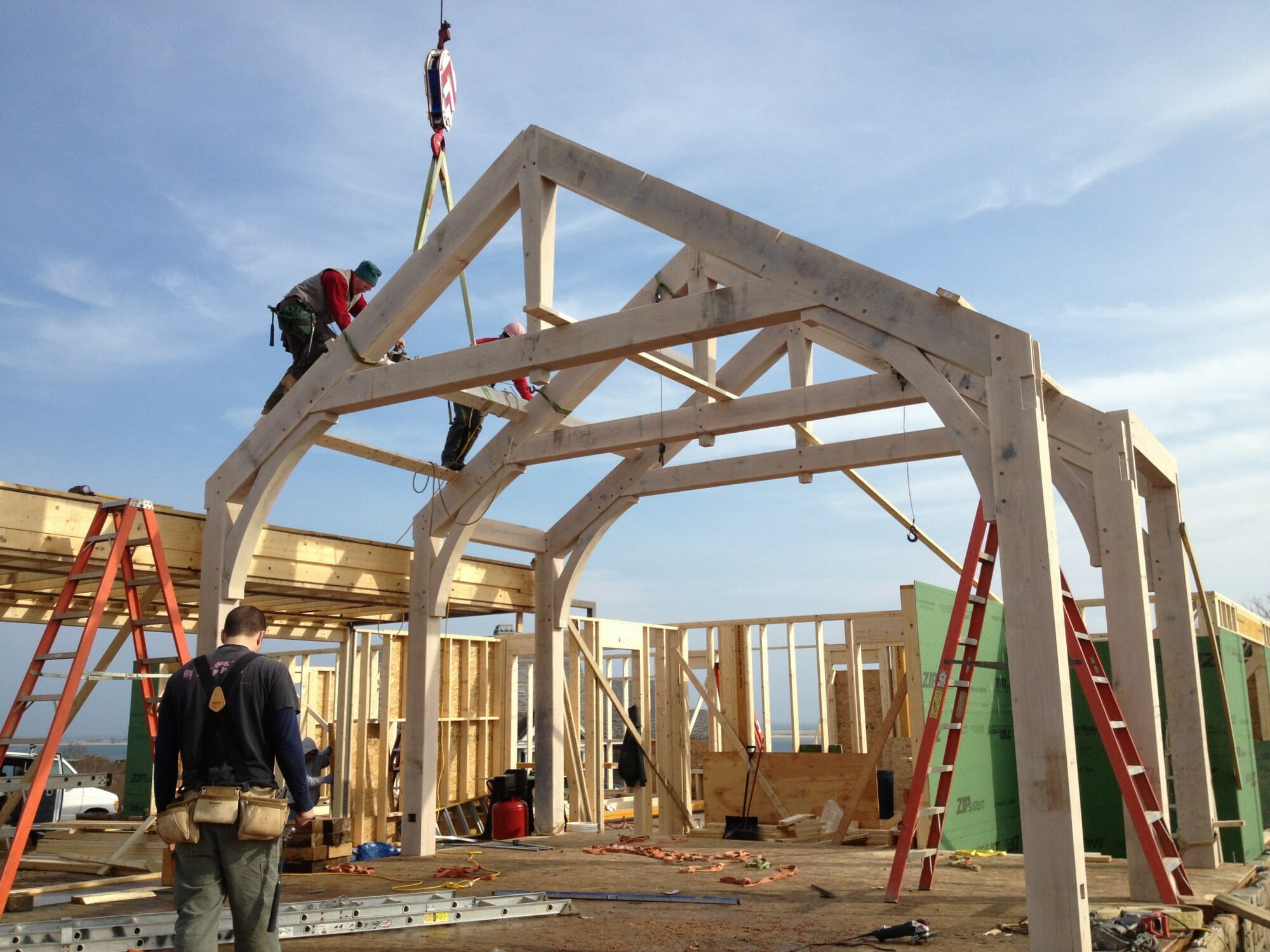
Yes. We do installations all over the country and will be happy to give you a price to erecting the frame. Sometimes our schedule is too busy, but don’t worry, we can send an onsite consultant to help with raising your frame and free technical support is only a phone call away. Your local contractor will take it from there to install the decking, walls, roof, doors, windows, and finishes.
What maintenance is required on a timber frame once it is erected?
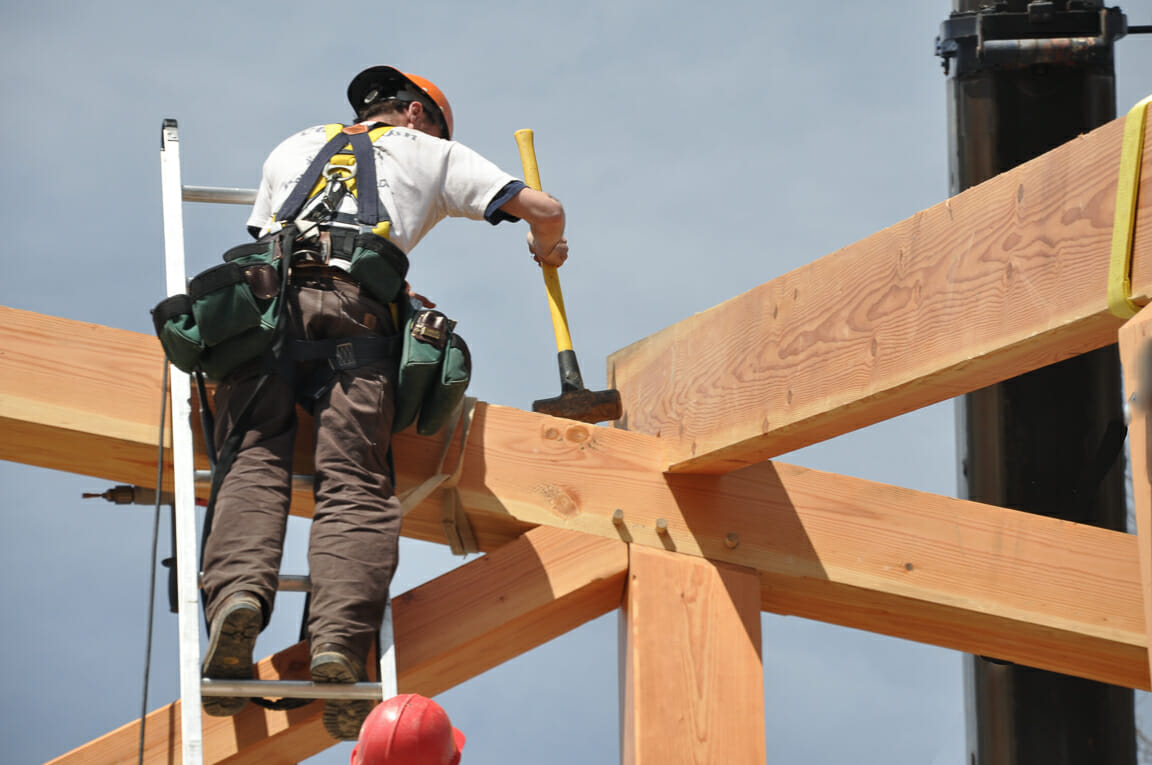
Timber frames require very little maintenance after they have been erected. At Vermont Timber Works, we finish all sides of the timbers with stain or urethane before they are shipped. Touch up after construction is common, but after that there is very little to do except to keep a good roof over the building.
Are timber frame barns durable?
Yes! Timber framing is one of the oldest methods of wood construction. Some post and beam barns in Europe are thousands of years old and in the United States timber frame barns built in the colonial era are still in use. The most important thing to do to make a timber frame barn last is to keep it dry. We have all seen post and beam barns in disrepair while driving in the countryside. When you see a barn like that, look up at the roof – usually roofing is missing, letting water leak into the barn. Rot follows water and can cause a beautiful bar to fall down in just a couple of decades.
Will the Barn be Engineered for My Site's Wind, Snow, and Seismic Loads?
Yes. All of our timber frames and post and beam barns are engineered for a project’s particular site considering wind, snow and seismic loads. A barn that is located in Florida may need to resist hurricane winds, where as a barn built in Vermont will need to withstand heavy snow loads. In California, earthquakes will drive the structural engineering. Vermont Timber Works considers all of the structural forces and our shop drawings are stamped by an engineer licensed in the state where the project is located.
Can I invite my friends and family to do the barn raising?
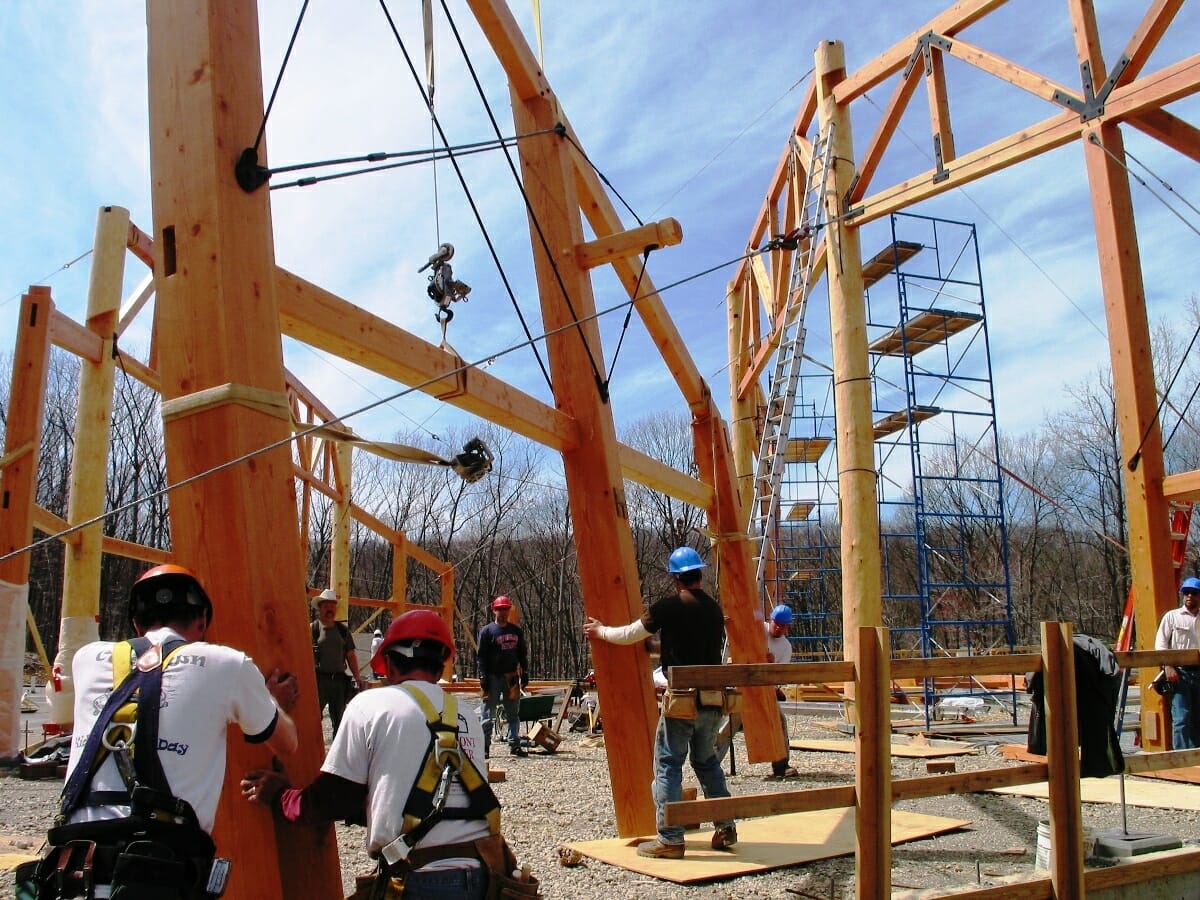
Absolutely, as long as you have a few friends that are carpenters. Raising a barn is not that difficult, but there is a learning curve and having a few skilled woodworkers around will make it possible and much more fun. We can also send an onsite consultant to help. You will need some tools: Click here to download a list of tools that we bring onsite to raise a timber frame.
If I buy the barn frame from you can I put it up myself?
Yes! We can make sure the barn design is exactly what you imagined, we can fabricate the timber frame, ship it to you, and then you can erect yourself with technical assistance from our team. We include a price for an On-Site Consultant to travel to your building site for a few days to help you get going. Some clients enjoy having an old fashioned barn raising with all of their friends helping.
How much does a timber trame for a barn cost?
Because every timber frame we build is custom and unique, this is a difficult question to answer without knowing exactly what barn you have in mind. Things like size, wood species, location, etc will all determine the price of your barn. Curved braces and beams add to the cost because they take longer to fabricate and use larger beams. Hips and valleys add to the cost because of the complexity of cutting them, and more complicated truss designs, like hammer beams trusses are more expensive than simple king post trusses.
There is not a square foot number that can be used to get an accurate price. We calculate the price of a timber frame based on the board footage of the timber in the frame. A board foot is equal to a one inch thick board that is twelve inches by twelve inches, so a 6x8x10 = 40 board feet. A typical barn will have between 6,000 to 8,000 board feet of timber in it, larger barns will use more timber. In 2026, the board foot price for a typical frame ranged between $12/BF and $20/BF. Fancier trusses and frames can cost up to $35/BF or more. Barns in areas with high snow or wind loads will cost more because the beam sizes need to be bigger with withstand the higher loads. Frames with very small board footage will cost more per board foot because despite the small size, they still need to go through engineering and shipping which adds disproportionately to the price. When calculating the cost of a frame, we use a complex spreadsheet that takes all the factors into account:
- Wood species: Native hemlock is less expensive than douglas fir, but it isn’t as strong so the timbers need to be bigger. Hemlock is also not available in FOHC (free of heart center) and larger sizes over twenty feet long. Horses don’t like to crib (chew) on hemlock or fir, but they love to crib on Eastern White Pine, so pine is the lease desirable species to use. Oak is a choice, it is more expensive, heavier and twists and checks more than fir, but some people love the look and feel of oak. Another good choice for a barn is Southern Yellow Pine. We will develop a list of required timbers and get a price from the mill for each specific job.
- Number of pieces: The number of pieces of timber is a factor. More pieces mean more joinery, as each piece has two ends that need to be joined together.
- Board footage per piece: If there is more board footage per piece, the price of fabrication per board will go down. Conversely, less board feet per piece will make the price per board foot go up. When buying the timber, the more board footage per piece will make the price per board foot go up. For instance a 6x8x10 will cost less per board foot than a 10x12x24 to buy, but less per board foot to fabricate.
- Required steel: Often frame will need some steel reinforcing in the tension joints. We look at the joinery that needs tension resolved and calculate a cost for the steel based on weight, welding and fabrication costs.
- Decorative steel: Steel gusset plates are an attractive aesthetic for many people when looking at a timber frame. When gusset plates desired we add them in for additional cost.
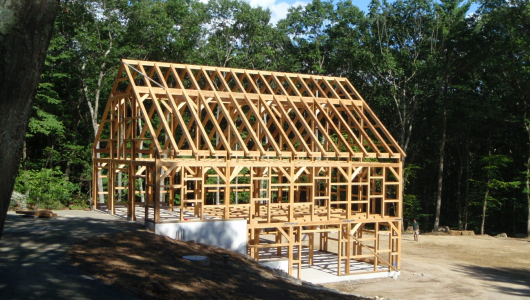
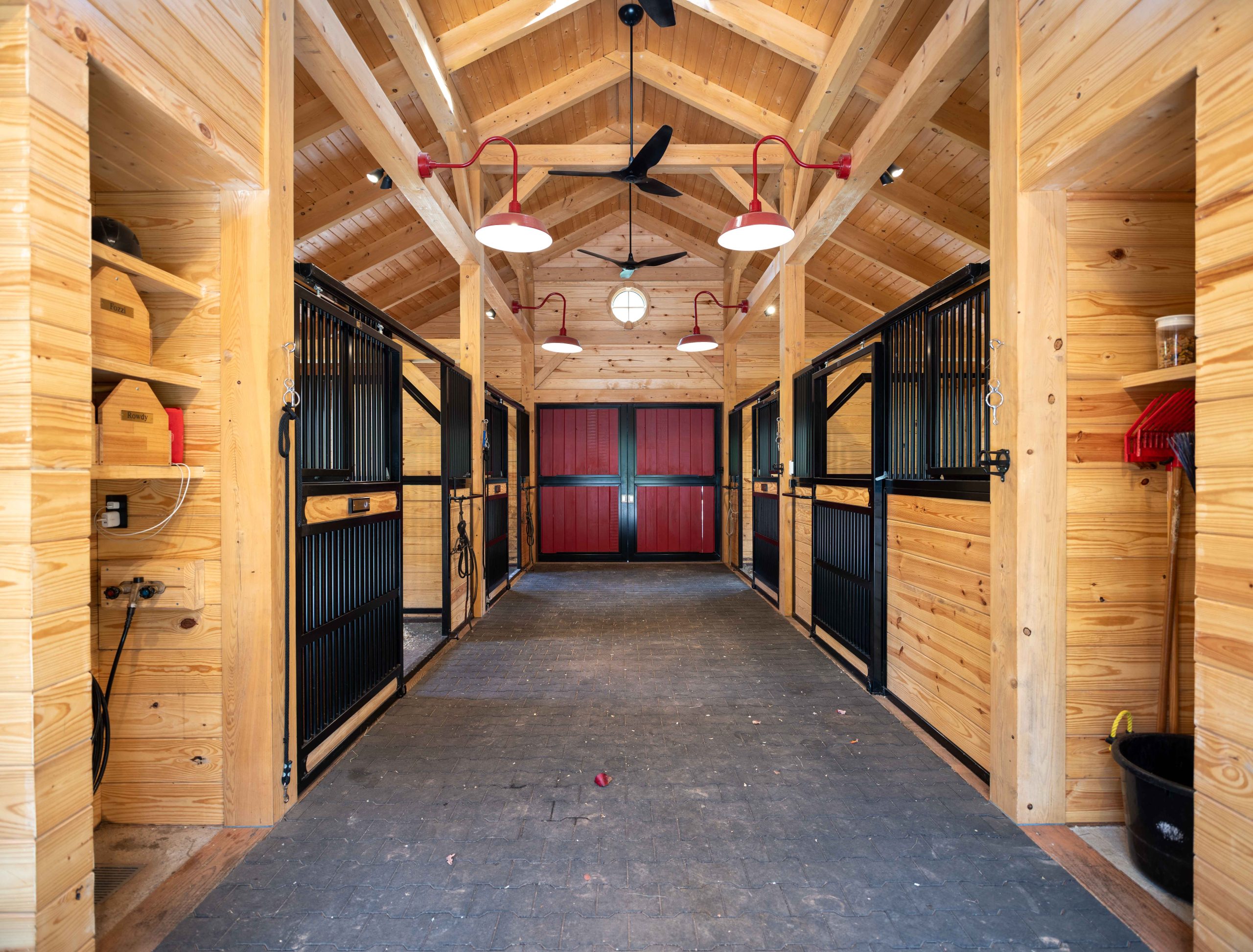
- Complexity: A simple barn with a 12’x12′ grid and rough sawn hemlock timber is the most economical to build. Arched bents and curved braces will add to the beauty of the frame but will also add to the cost as curved take more time to cut.
- Haylofts: Hay has been stored in barn lofts for hundreds of years. Many people have memories of seeing barns with hay above and sagging beams below. Those sagging beams may have been okay in the 1800’s, but with today’s building codes the timbers need to support the hay, and hay is heavy. We calculate the size of the joists and girts in haylofts to support over 100 pounds per square foot as a minimum. That makes the joists and girts larger and more expensive.
- Shipping: The material need to come to our shop in Vermont to be fabricated by our skilled crafts people. Most of the timber is shipped to us on a dedicated tractor trailer or an LTL (partial load). Shipping these days is expensive and is factored into the cost.
- Engineering: If the timber frame is structural, as most of them are, an engineer licensed in the state where the frame is to be located needs to do a structural analysis to make sure the frame can withstand hurricane force winds, maximum snow loads earthquakes and all of the forces combined together.
- Location: The final destination is a factor when calculating delivery costs.
All of the factors affecting the price of a timber frame need to be calculated. The best way to determine the cost of your project is to give us a call and talk through the options and come up with a preliminary design. Once that is done, we will provide you with a firm quote.
If you call and speak to a Sales Rep about a quote, it helps to have some of these details in mind so that we can accurately give you an estimate. Fortunately, we can usually come up with an accurate quote for your project in a week or so.
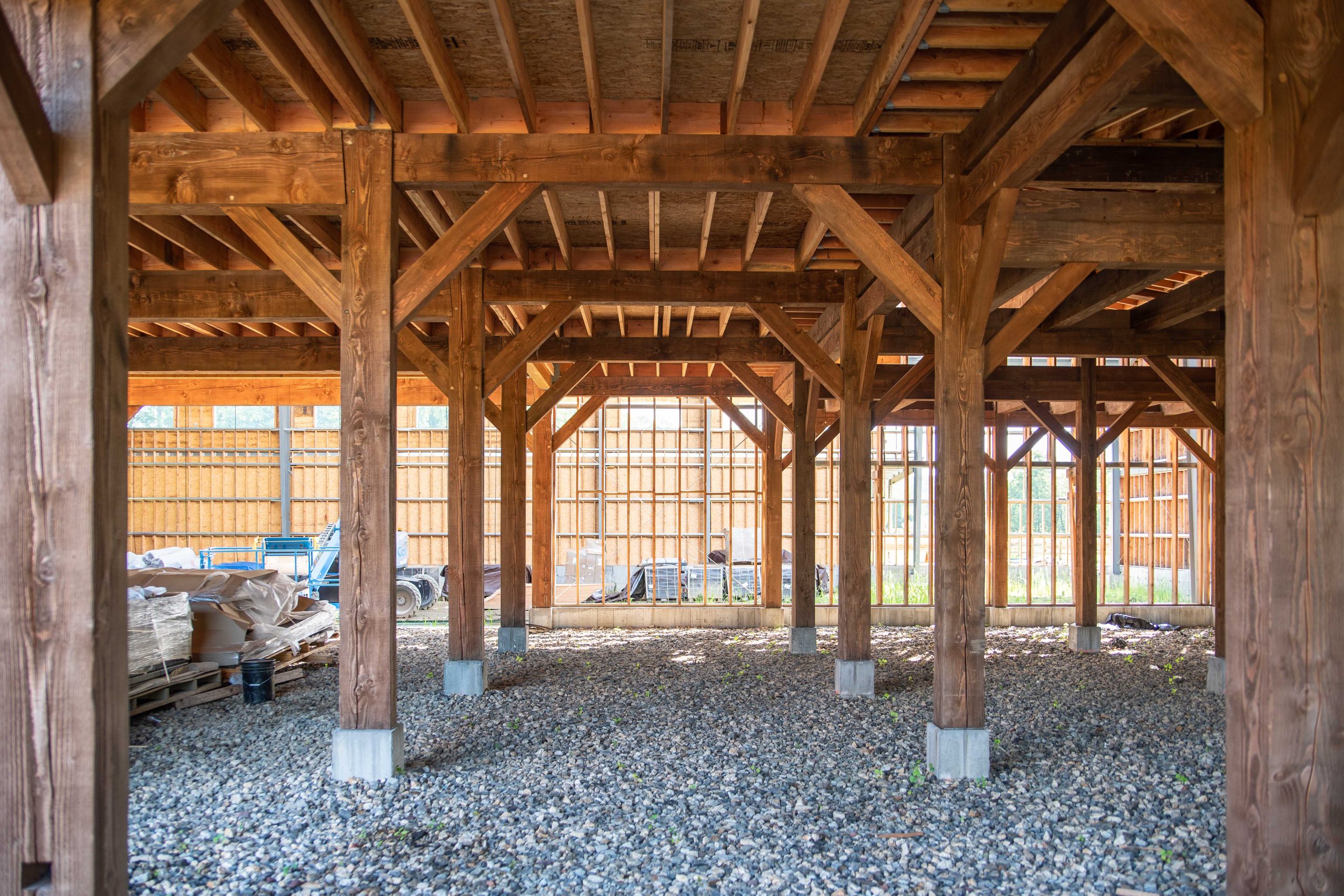
Simple, cost effective post & beam barn layout.
Rough sawn hemlock timber frame barn.
Simple barn on a 12’x12′ grid.
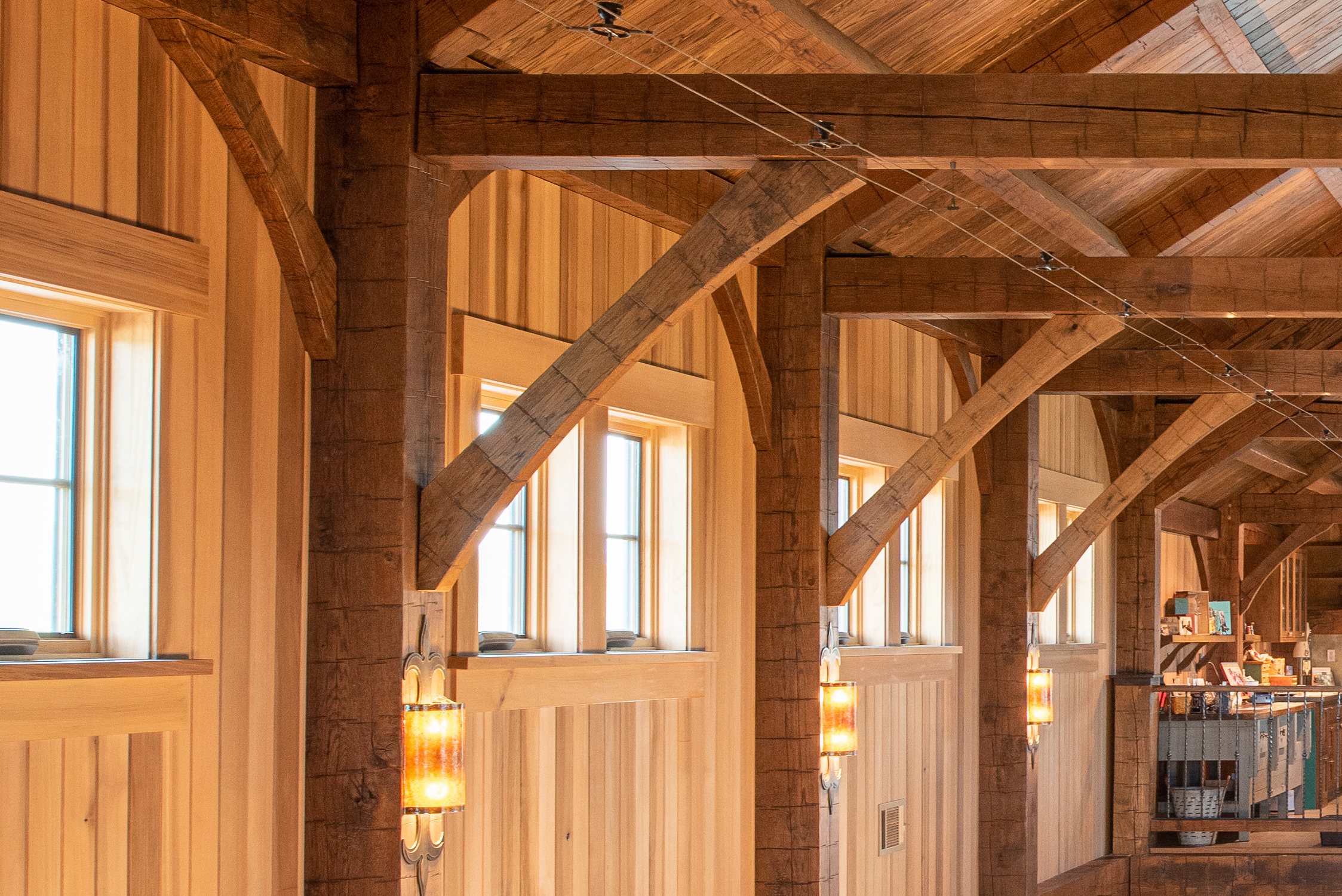
Barn frame with curved braces.
Why is the price Vermont Timber Works quoted for my barn different than other companies?
It can be hard to compare two different companies that will consider a range of variables when determining the price of your Barn frame. It is important to remember that our frames are the real thing, using traditional timber frame joinery with mortises, tenons, and dovetails. Our interpretation of the Barn you have in mind might be different from our competitors due to the high quality of the timbers we use, that we fabricate everything from scratch with hand tools in our shop, and still practice the old artisan style of cutting each piece with handcrafted precision. Our high quality speaks for itself and sets us apart from the others.
How long will it take to get my barn built? What's the time frame?
It will take a few weeks to customize and approve the design, assemble the quote, and order the materials. After that, you can expect your barn to be delivered in 10-14 weeks from the time we receive approved shop drawings back from you.
Will you build the entire barn from start to finish?
Vermont Timber Works will work through the design and engineering of the barn, we will fabricate and deliver/erect the Timber Frame. You will need to hire a contractor or builder to complete the Barn by adding siding, windows, doors, roofing, etc. We are happy to work with the local contractor to provide technical assistance.
Can I just buy the steel brackets, plates and tie rods I see on your barns?
If you’re only looking for steel work, contacting a local steel fabricator near you would be a good place to start.
We don’t keep any steel plates/brackets/tie rods on hand or “in stock.” And unfortunately, due to our workload, we don’t have the capacity to provide any custom steel fabrication unless we will also be fabricating your Barn as well.
I have nn old barn I'm going to tear down. Will you buy the wood from me?
We only order wood for barns that we are fabricating as we need it. If you have barn wood to sell you might try contacting reclaimed wood suppliers or wood dealers directly.
I'd like to use wood I already have For my barn. Is this possible?
It is possible, and it is fun to use the timber from your land in your barn. Some things to consider would be the current condition of the wood. If it’s still in tree form you’ll need to have someone cut down those trees, and then send the wood to a lumber mill. If it’s already milled, you’ll have to consider its condition and the size of the timbers you have. Once it’s been milled, you would ship it to us and we would fabricate the timbers into your Barn frame. Often there is extra labor and shipping on your end, so it is not always less expensive to use your own wood, but it does make a great story.
Can you design a barn with living quarters?
Yes! This is a common request and we are happy to accommodate to ensure that your barn meets your exact specifications. Sometimes the living quarters are upstairs or attached as an addition to the barn. Sometimes we use barn style frames for houses. Just let us know what you like, and we will custom design a frame that fits your needs.
Can you build a pole barn?
We can build a pole barn, but we don’t often have a call for them. Pole barns are simple and rustic, often built without a foundation. They use treated poles that are sunk into the ground for support. Pole barns are used mostly to store equipment on dirt floors. See our Pole Barn page for more details.
Does Vermont Timber Works fabricate post and beam barns?
Yes. Because there is so much crossover in styles and design between Timber Frame and Post and Beam Barns that the words are often used as synonyms. Post and beam barns tend to use more simple joinery than timber frame barns, but there is a lot of overlap. We can easily accommodate this type of design in your Barn.
Are there any barns or barn designs that you keep in stock?
Every Barn we design and build at Vermont Timber Works is custom designed for our individual clients and what they have envisioned. While we don’t use stock plans, we do modify the plans for barns that we have done in the past for new clients. We are happy to design you exactly what you have in mind using past designs as inspiration.
I have an old barn that is in need of repairs/restoration. Is that something VTW can help with?
You will need to contact an engineer or a contractor to asses what timber members need to be replaced. Once that is known, VTW can fabricate those pieces and ship it to your location and then your builder or contractor can install the new timbers.
Do you sell kits for post and beam barns?
Yes! We custom design, engineer and manufacture prefabricated kits for timer frame barns. The post and beam components are pre-cut and pre-assembled to assure the proper size and fit into the barn. Associated bolts, pegs, steel plates and miscellaneous fasteners are also included in the kit for the project team to assemble on site. We can also send our crew to the site to assemble and install the post and beam kit.