Where Can We Buy Heavy Timber Trusses for Our Chapel, Church or Temple?
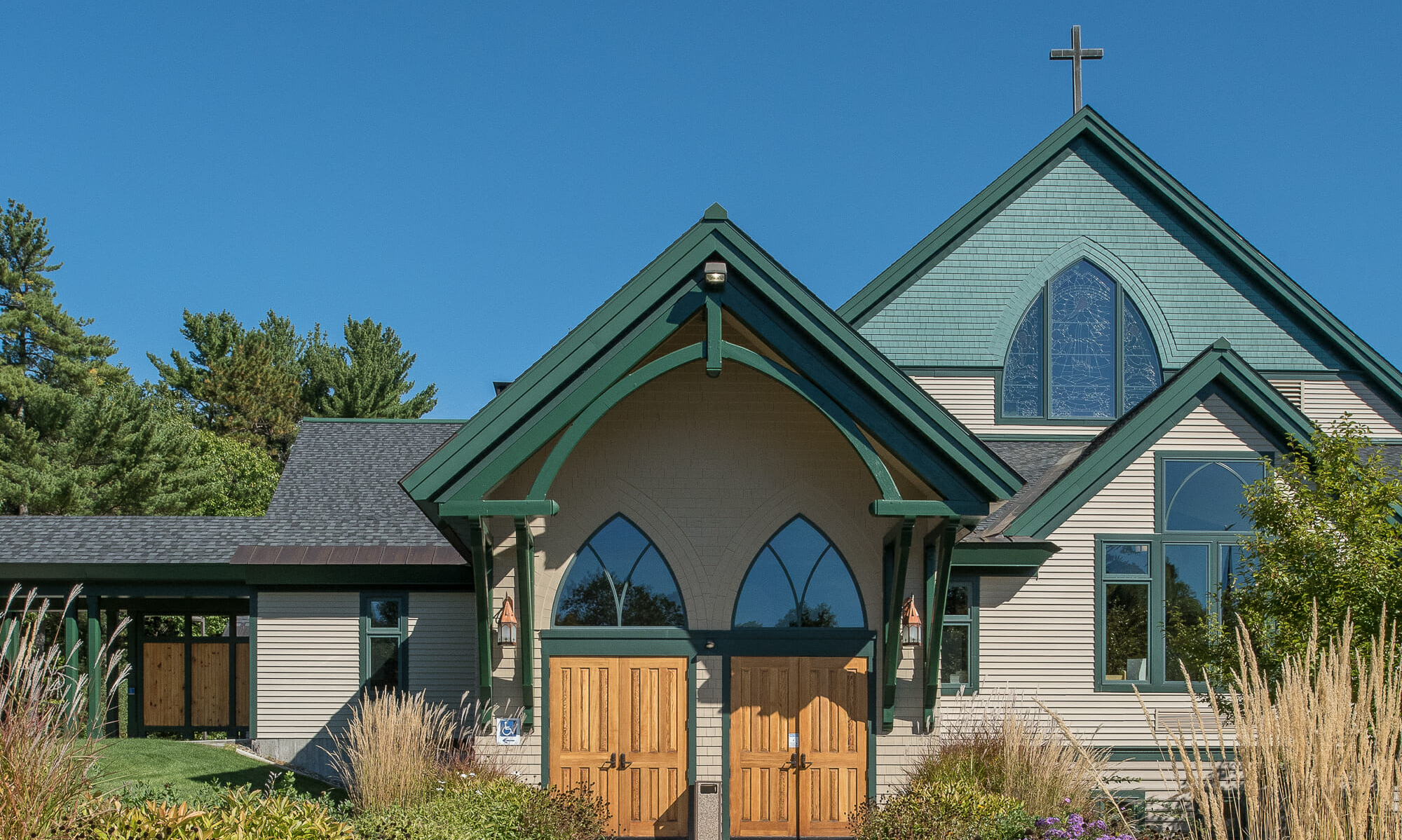
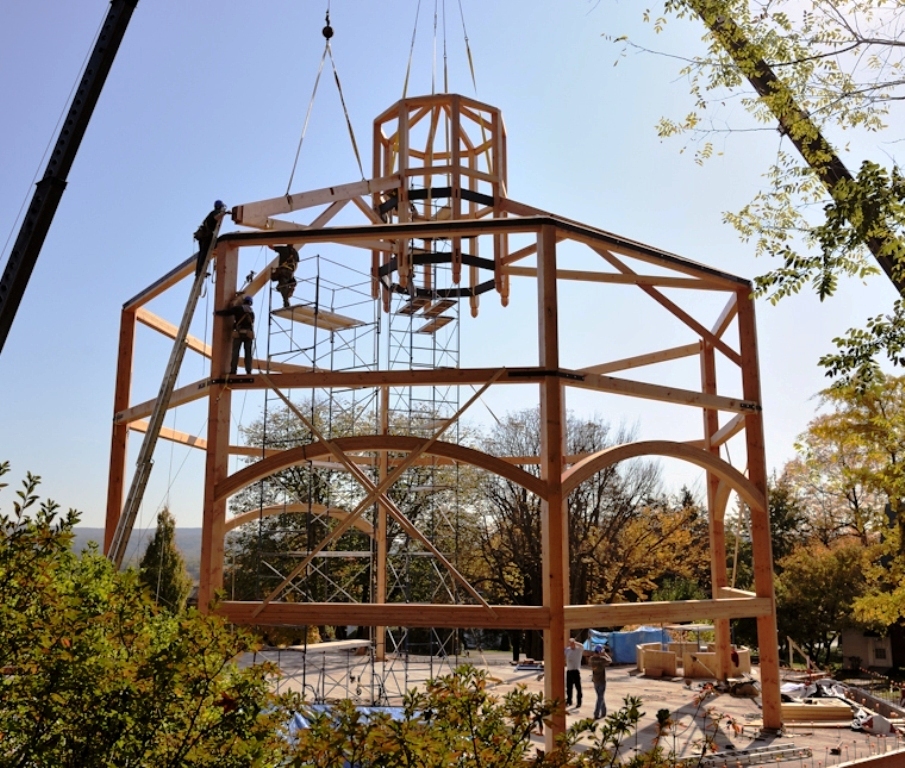
Vermont Timber Works designs and sells heavy timber beams and trusses for churches throughout the United States, Canada and internationally. We work with the client’s architects and structural engineers to provide a timber frame that is built to carry the structural loads of the building and be aesthetically pleasing. We have rebuilt existing sanctuary trusses that have deteriorated over time or were damaged due to fire. We also supply decorative timber trusses for churches when the structural loads are being carried by steel framing.
How Long Does it Take to Get Pricing for the Timber Frame?
If there are structural drawings for the project, we can usually turn pricing around in about two weeks. If not, we can work with architectural drawings or concept drawings and modify them as needed. If there are not drawings yet, it will take a little longer for us to come up with a design. We then provide a 3d proposed drawing to bid from. The process is collaborative. There is a give and take as we go through the design. We will often need to make structural modifications, but we try to maintain the original design intent as much as possible. Many of our clients contact us early during the architectural design phase so we can work together as the plan is being developed.
How Wide Can a Church Be? How Far Can a Timber Church Truss Span?
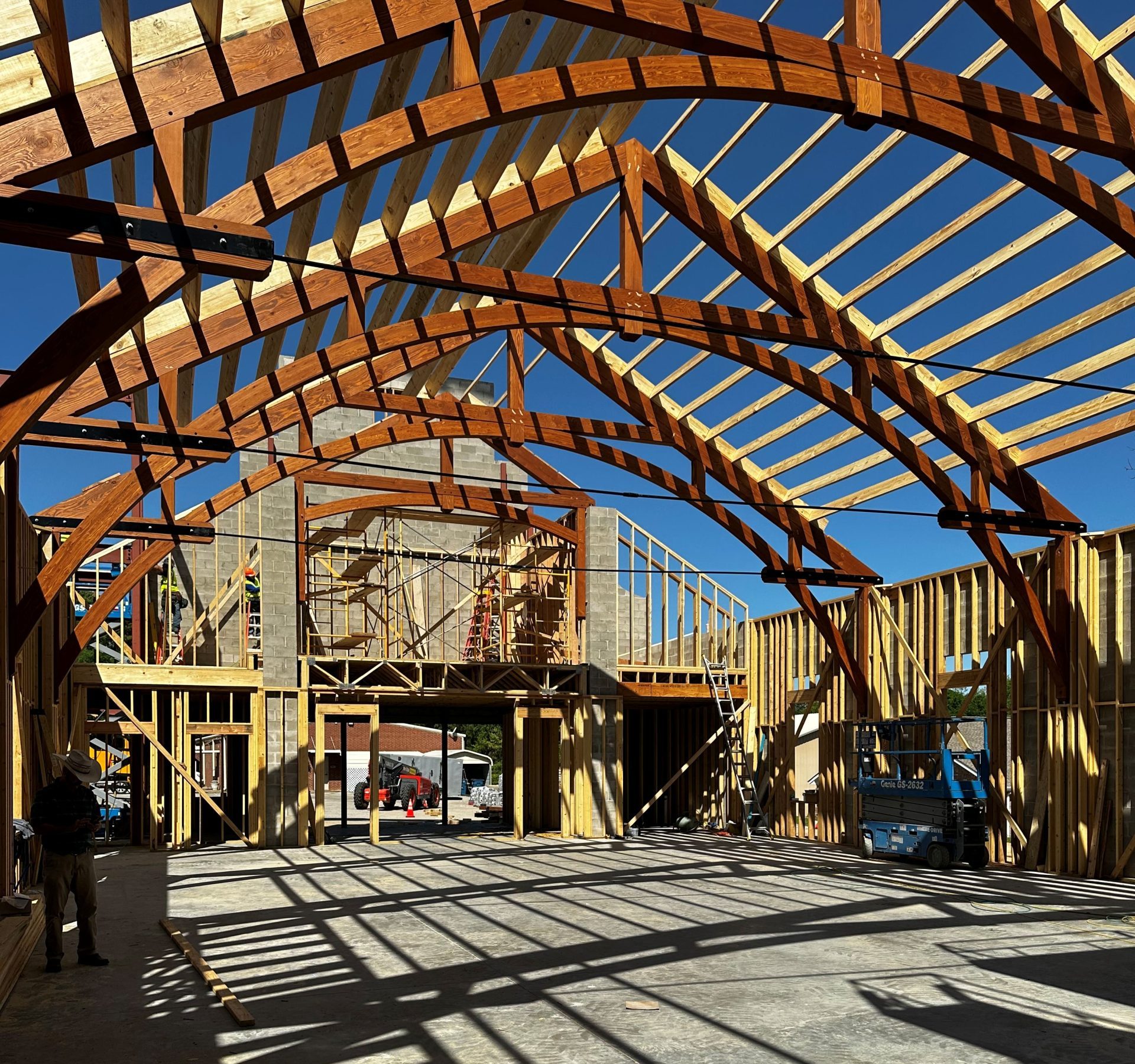
The answer to this question largely depends on the design and budget for the timber trusses. An economical king post truss can easily span forty feet and can span up to sixty feet, depending on local snow and wind loads, by using larger timbers and reinforcing the truss with steel. Hammer beam trusses are more expensive than king post trusses, albeit that many people regard them as more beautiful in a sanctuary. Hammer beam trusses can span around thirty feet if no steel is used, but if steel tie rods are acceptable, a hammer beam truss can easily span forty to fifty feet.
One way to increase the the width of the church is to put two rows of columns in between the nave and the aisles. This is a common design in cathedrals. The columns do decrease the visibility for people seated in the aisles, but they allow greater spans and more seating capacity for less money.
How Long Can a Timber Frame Church Be?
A timber framed church has no restriction on length. It can be as long as the congregation desires by increasing the number of bents or trusses. Bents or trusses are usually spaced about sixteen feet apart as a starting point in the design. The spacing can go down to twelve feet in areas of high snow loads, or up to twenty feet where the snow loads are light.
How do We Choose a Heavy Timber Truss Design for Our Building?
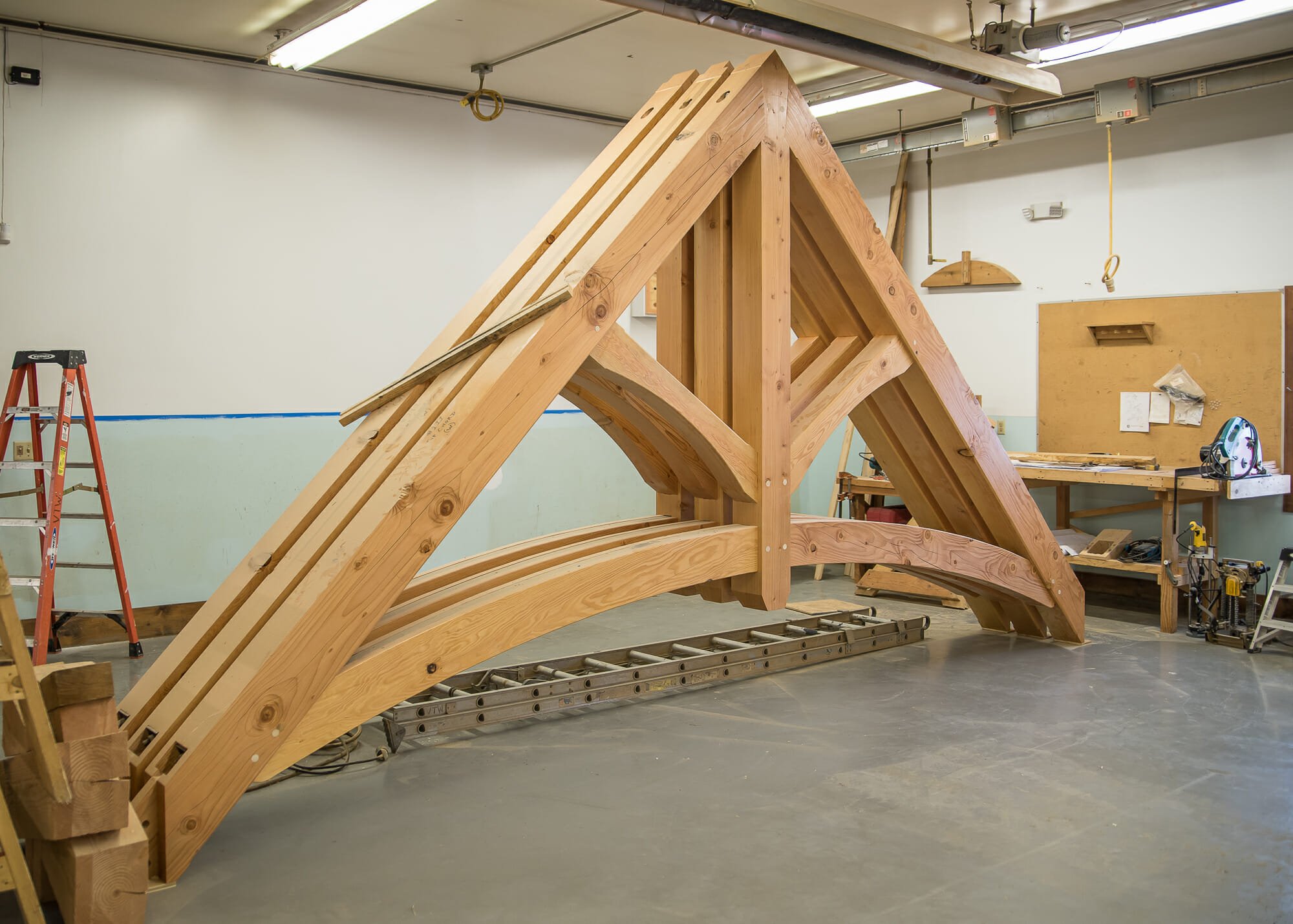
Choosing a heavy timber truss design for church is both an aesthetic and structural decision. First, let’s think about the structure. We need to resolve spreading forces from gravity, the physical weight of the building, the weight of live loads (people working on the roof or inside the building as well as sound systems, speaker systems, lights, HVAC vents, etc.), and the forces from snow, wind and seismic. Triangles are the strongest shapes for trusses with some legs designed for compression forces and some legs designed for tension forces. All of those forces need to find load paths into the foundation and through the walls. Our designers and engineers figure out how to resolve all of those forces for every project we build.
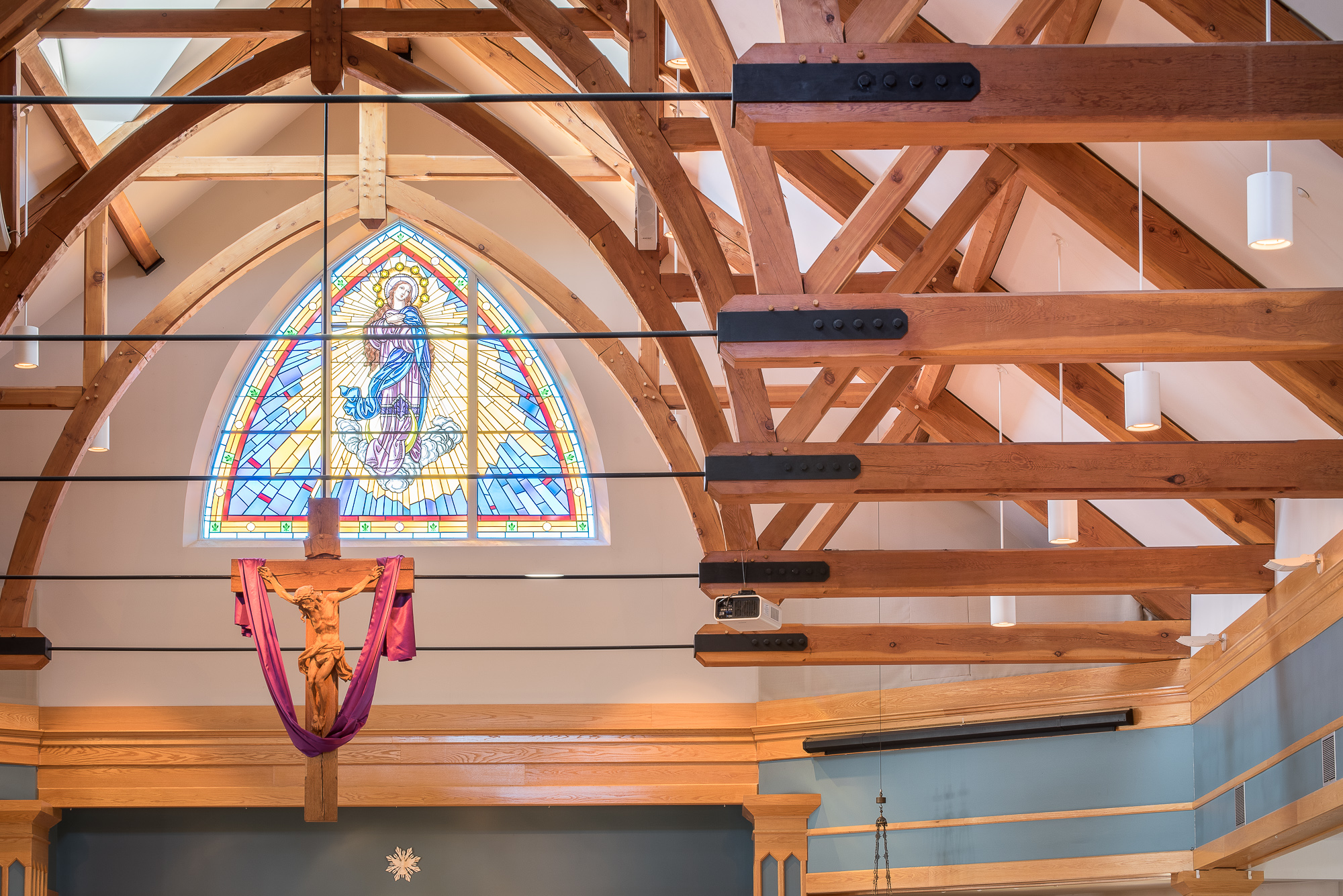
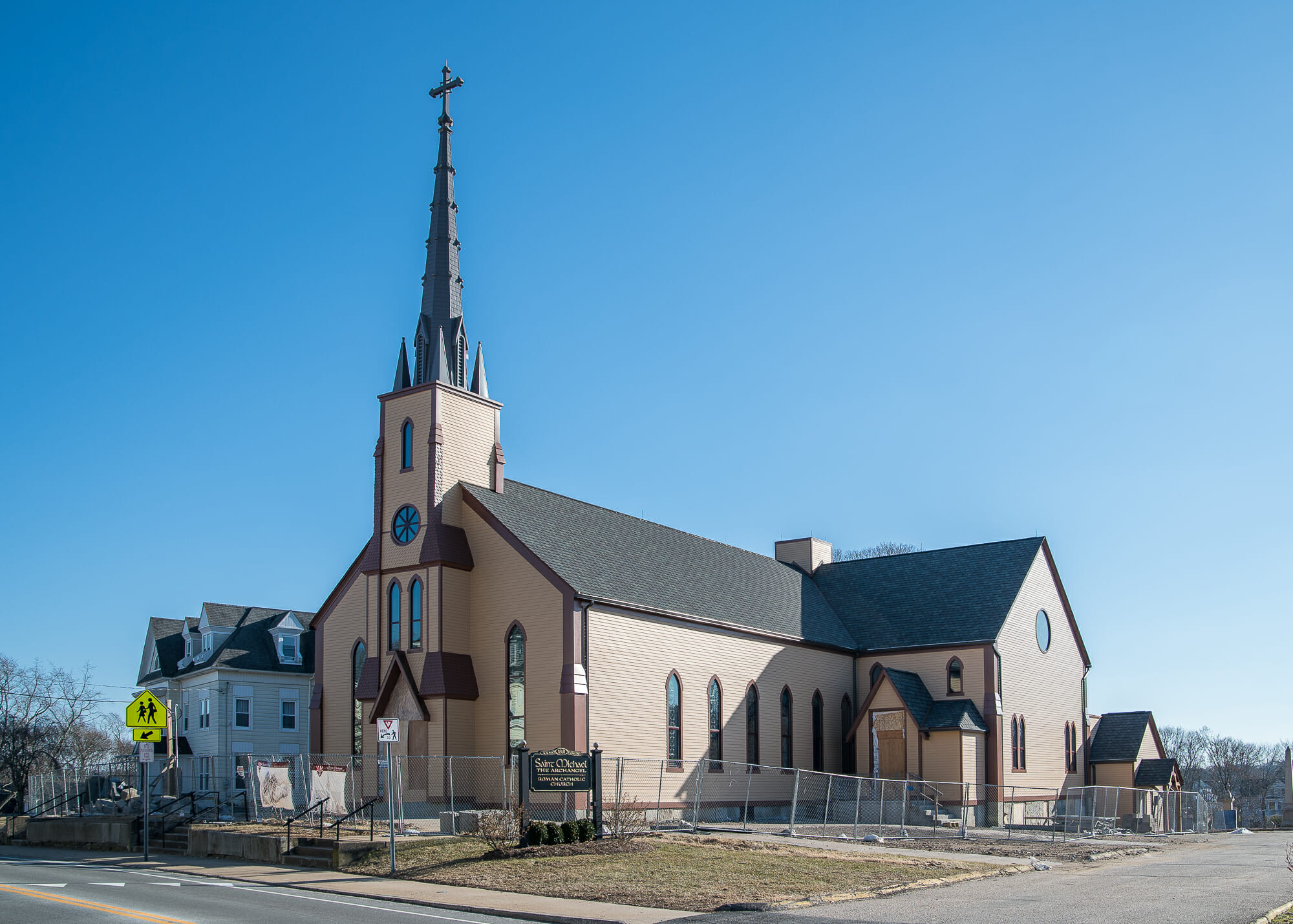
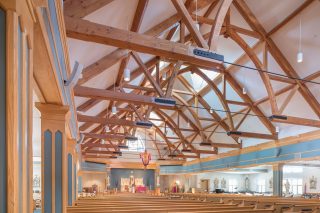
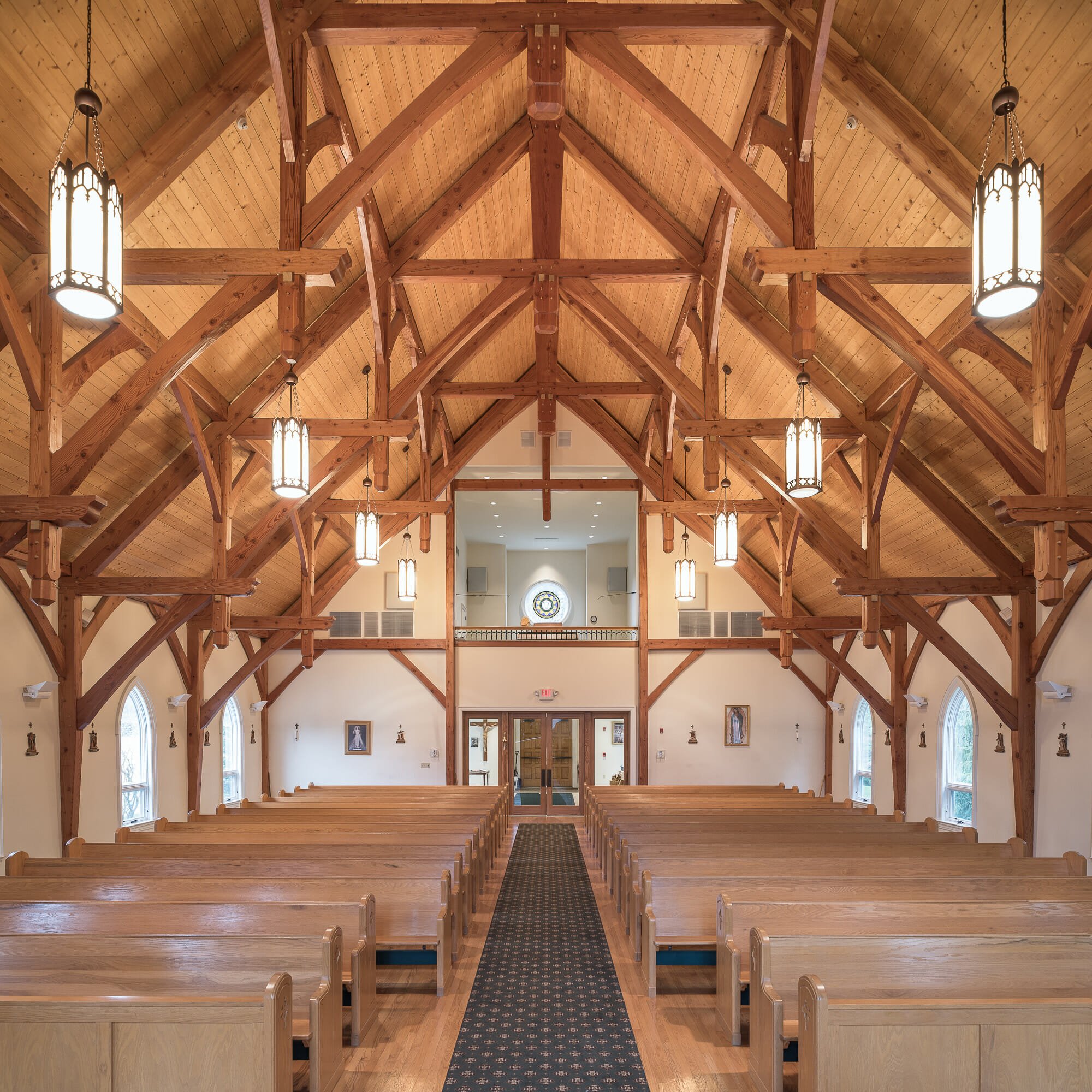
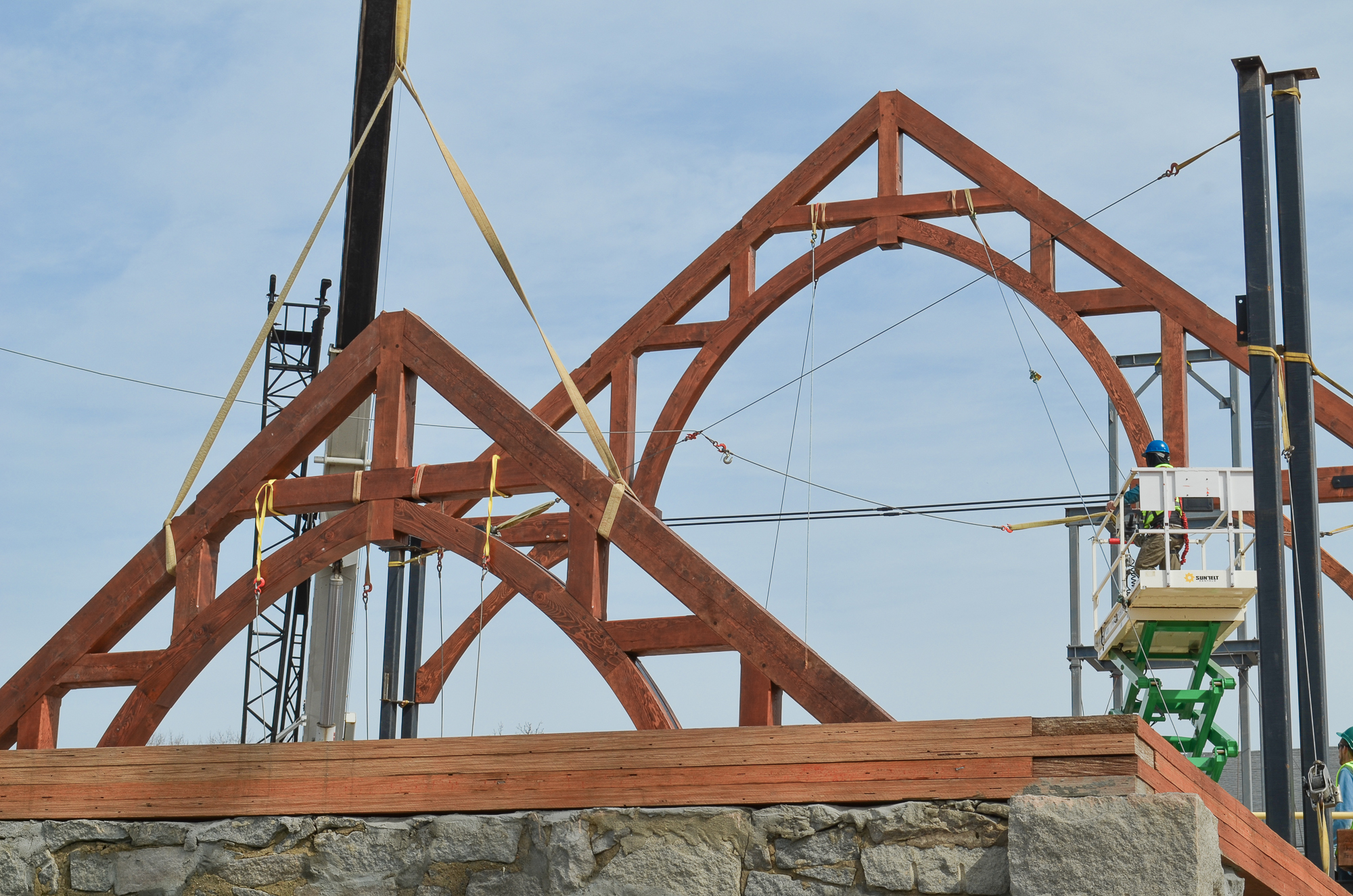
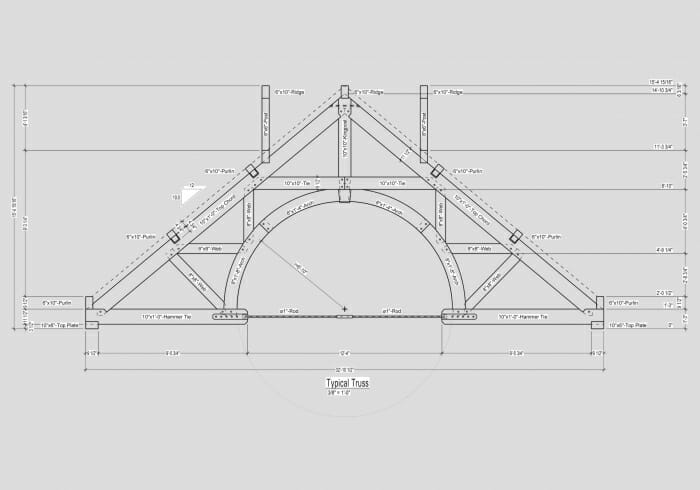
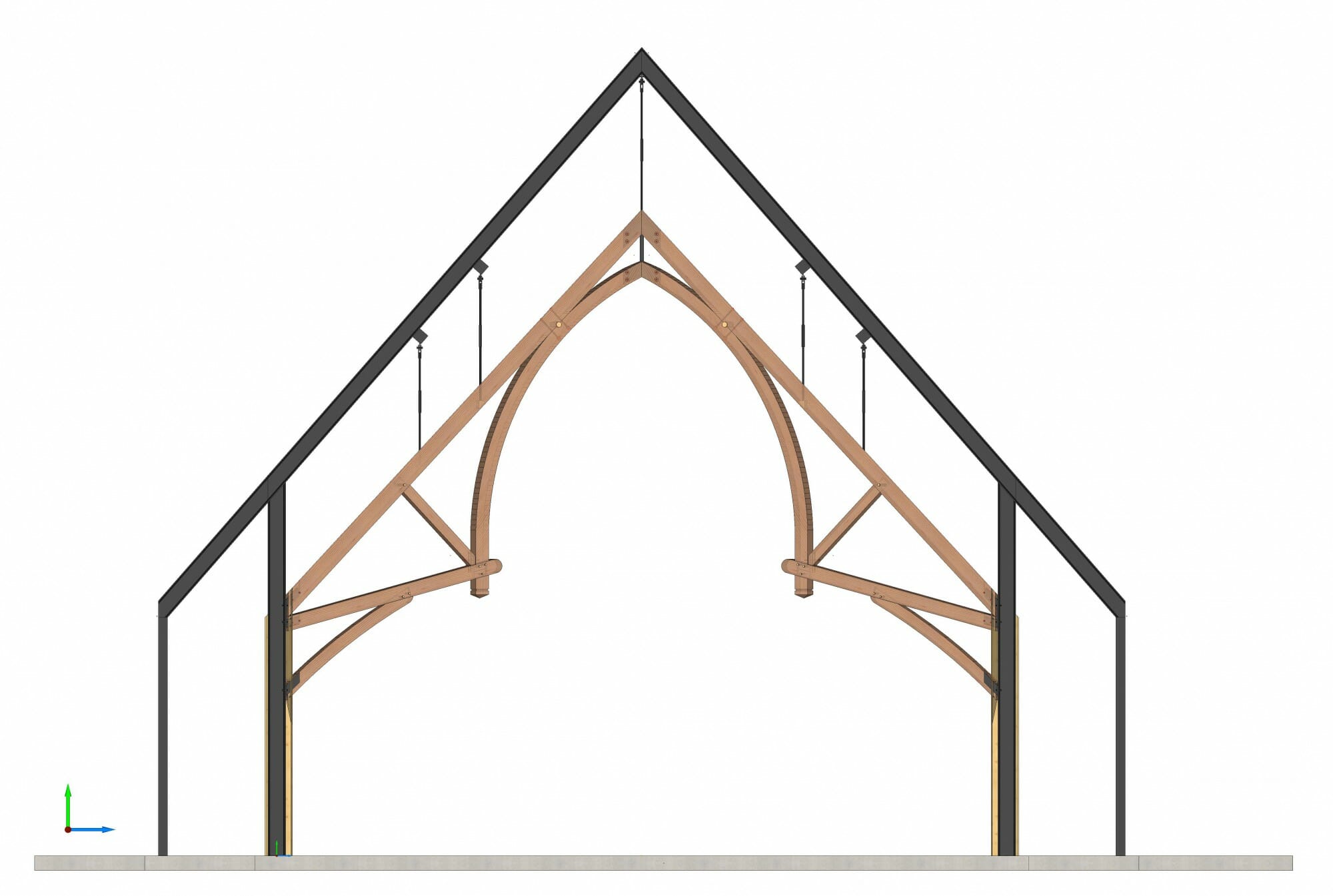
Next, lets think about the aesthetics of the truss. There are many ways to span a building – the easiest and most cost effective is with a King Post Truss. King post trusses are simple triangles so they are cost efficient. They can use straight members or have curved webs and bottom chords to dress them up a bit. Queen Post Trusses are similar. They use two smaller queen posts that create a center space between two horizontal tie beams. Like the King Post Truss, they can use simple straight beams or curved beams. A Hammer Beam Truss is a classic design that most people attribute to old European cathedrals. We have used it in many buildings including Saint Patrick’s Church in Redding, CT. The tricky part about designing hammer beam trusses is resolving the tension loads (spreading forces) that come from the weight of the building plus the weight of the snow and live loads. European cathedrals resolved spreading forces with flying buttresses. Today, most congregations don’t have the budget for buttresses so they choose an interior steel tie rod to do the work. Another choice is using a Modified Hammer Beam Truss which is similar to a hammer beam truss, but hides the steel reinforcing in routed slots in the timber. One of our favorite trusses is what we call the Gothic Church Truss. We have used variations on the design for Christ Episcopal Church in Missouri, Saint Michael’s the Archangel Church in Connecticut, and Immaculate Conception Church in New Hampshire. The gothic church truss uses a steel tie rod but also has graceful arches that can either be natural timber or glulam material.
Timber trusses can easily span anywhere from twenty feet to forty feet. With a little extra design and material spans of fifty to sixty feet are possible. No matter what design you choose, our engineers and designers will make sure that the truss for your sanctuary is strong and beautiful.
Will Vermont Timber Works Work with Our Church Contractor, Architect and Designer?
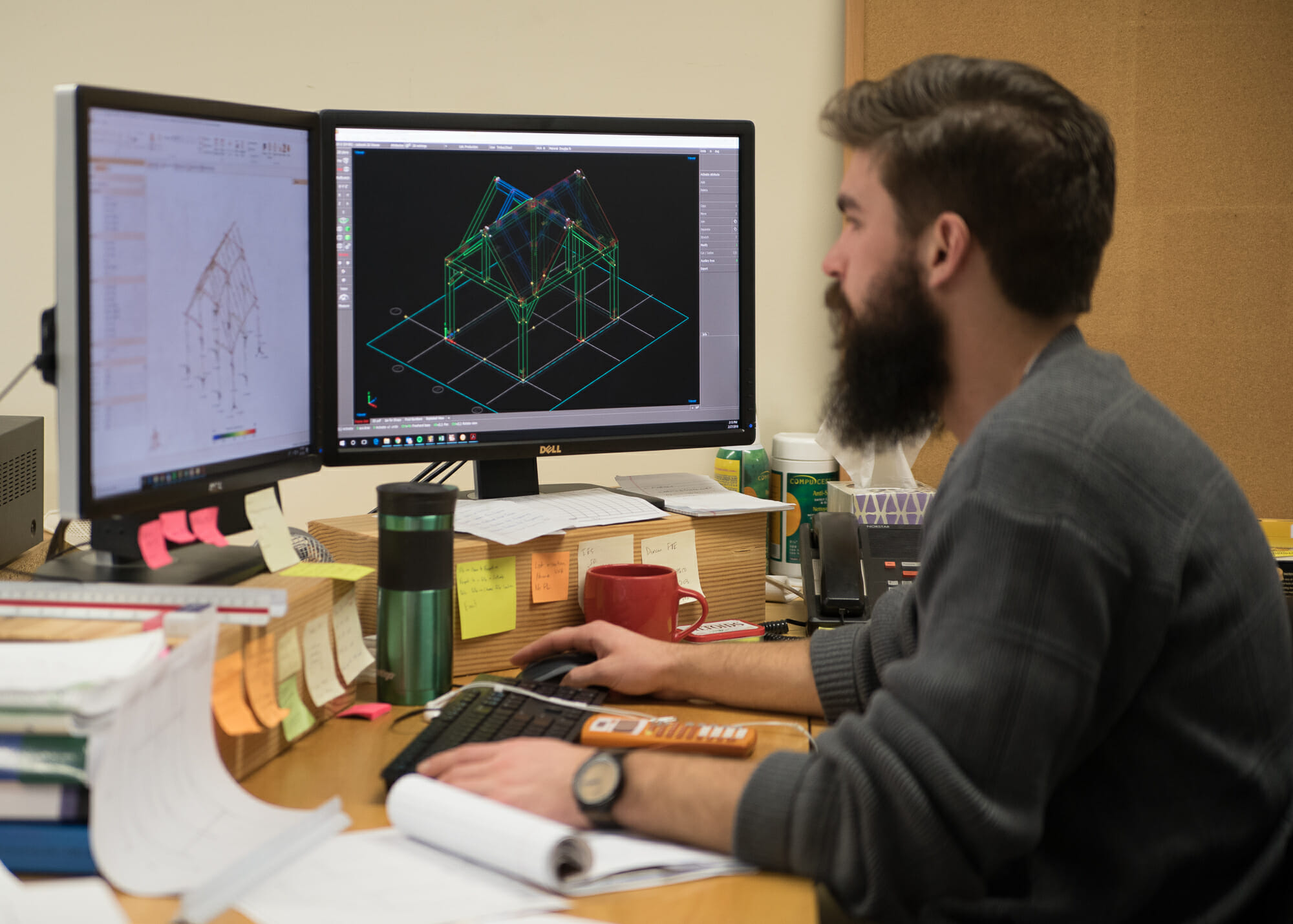
Yes. We pride ourselves on our great working relationships with other builders and designers. We will be happy to work with whoever you’ve chosen to be a part of the building and design team. We analyze the proposed design and make suggestions on how to improve it using structural modifications that reflect the original design intent. We provide sketches and then 3d drawing of the proposed truss and coordinate the bearing seats and lateral designs with the contractor, project manager, engineer of record and the architect.
How long will Vermont Timber Works hold pricing for our church project?
Due to the volatility of the lumber market, we are only able to hold pricing for 30 days. However, we understand that when working with church communities getting project approval from everyone may require more time than that. Often there are funds to raise for the project and permits to be obtained which also adds time. We will do our best to hold prices for as long as possible and we are always happy to reprice a project and do our best to find solutions to keep costs within the congregation’s budget.
Will Vermont Timber Works Provide Stamped Shop Drawings for the Project?
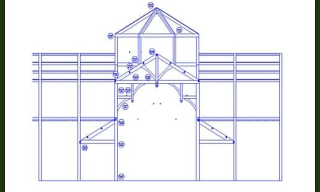
Yes. There are several design phases to the project that need to be approved by the client at each step. First, a preliminary design will be done and presented with a 3D.pdf drawing. Second, preliminary shop drawings will be done to scale that will show the plan view, bent or truss views, and elevation views. At this stage our structural engineer will confirm timber sizes and joinery and the material for the project can be ordered once the client signs off on the design. The final step is production drawings which detail the joinery and connections. Those drawings will be stamped by a structural engineer licensed in the project’s State.
What Are Stamped Shop Drawings for a Timber Frame Project?
Stamped shop drawings for a timber frame project are drawings that have been reviewed and approved by a licensed structural engineer. The engineer reviews the beam sizes to make sure that they will withstand the gravity and wind forces that will be placed on the frame. Imagine the force required to stand up with your arms out in a 50 mile per hour wind. Then imagine your body area compared to the side of a building. That is a lot of force. Now, instead of a 50 mile per hour, imagine the wind that a building is designed to resist – 90 mph in sheltered areas and 140 mph or more along the coast – that is a bunch of force. The structural engineer analyzes the timber frame and it’s joinery to make sure that it will stand up to those forces along with the weight of snow and ice.
Will Vermont Timber Works Provide a custom design for our Chapel, Temple, or Worship space?
Yes. Everything we do at Vermont Timber Works is custom, and we’d be happy to custom design a timber frame for your sacred space. We will send 3d renderings for you to review, use your ideas in the design and work collaboratively with your team on the final drawings.
We already have an existing church structure that needs renovation and repairs. Can you work with this?
Generally, our scope is limited to the timber frame and roof system of the structure. It is up to local contractors to execute the other repairs, but we are happy to work with them.
Can a Historical Church Ceiling be Recreated with The Same Truss Design and Timber Sizes?
Vermont Timber Works has worked on historical Church and Chapel projects that required keeping the modifications to the structure historically accurate and appropriate. However, we are constrained by the new building codes which have increased the wind and snow loads for most areas. We are also faced with the fact that the old growth timber used in historic buildings was much stronger than the second growth timber that is available today, therefore an 8×8 timber beam that was carrying a load perfectly well for 100 years may need to be replaced with a larger beam, like an 8×10 or 8×12 to meet today’s building codes and available timber. Nevertheless, we are happy and able to accommodate the request and make the church’s timber frame as historically accurate as possible while meeting today’s building codes. An example is the First Presbyterian Church in Navasota, Texas
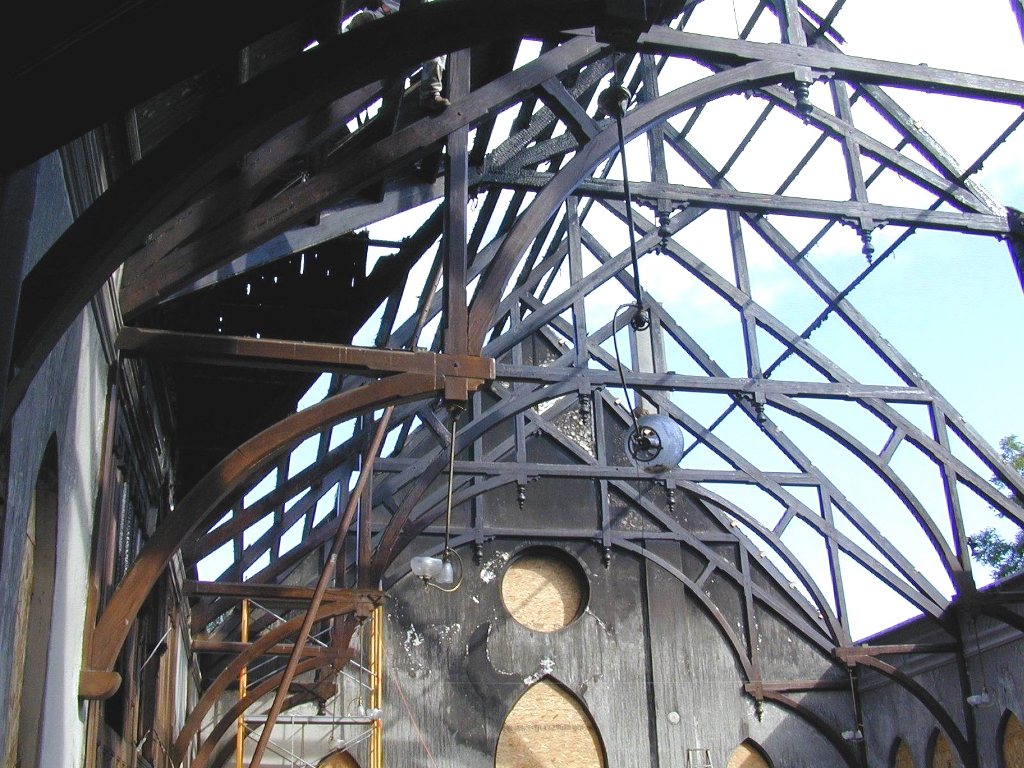
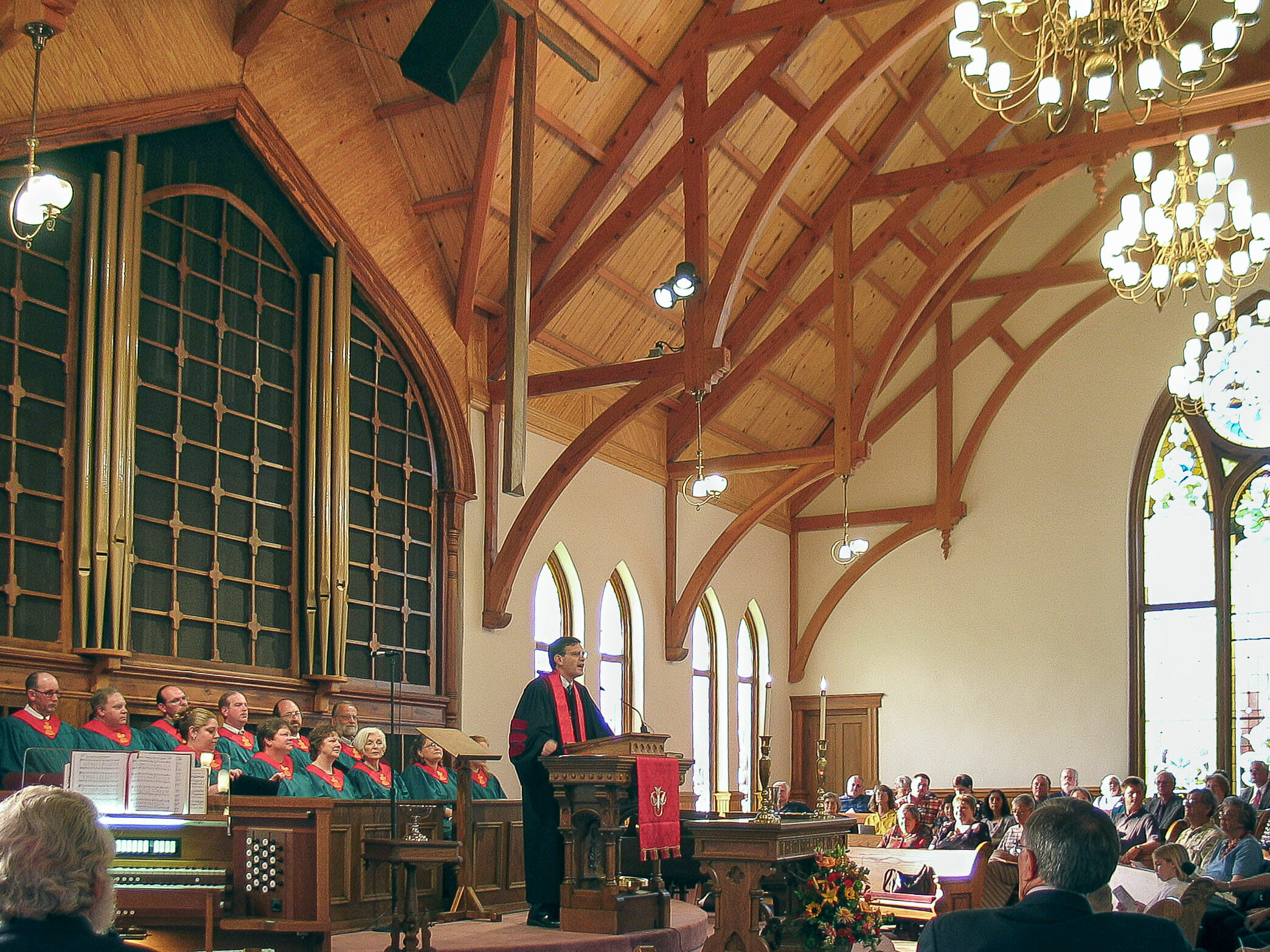
The First Presbyterian Church ceiling in Navasota, Texas was destroyed by a fire. The congregation wanted to rebuild the church as it was due to it’s historical significance.
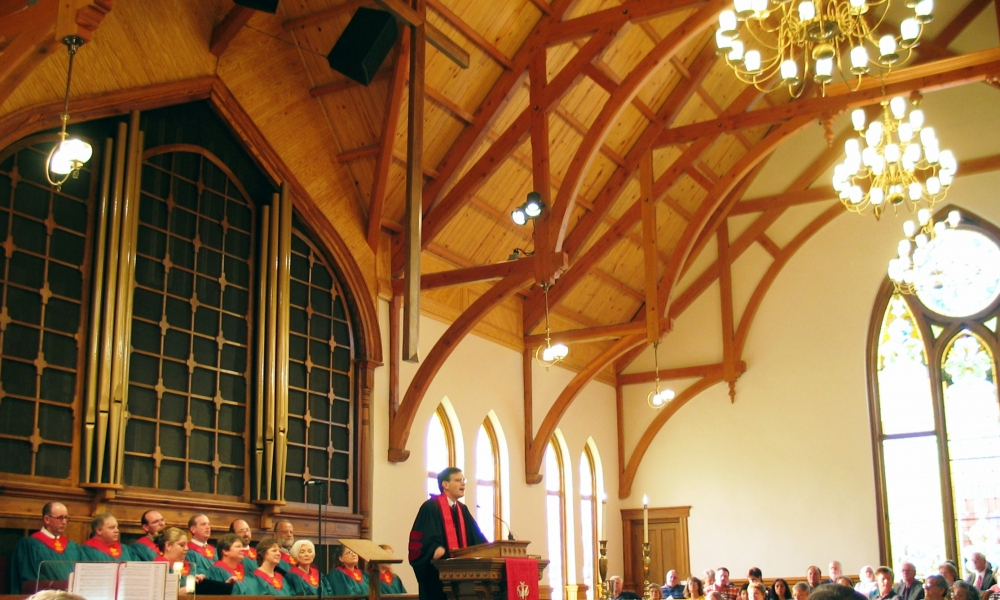
Vermont Timber Works measured and matched the existing trusses before they were taken down then re-engineered them up to the current codes. Then VTW fabricated and installed the new trusses.

Saint Catherine Parish wanted to add a wing to their church and recreate the look and feeling of the existing sanctuary.
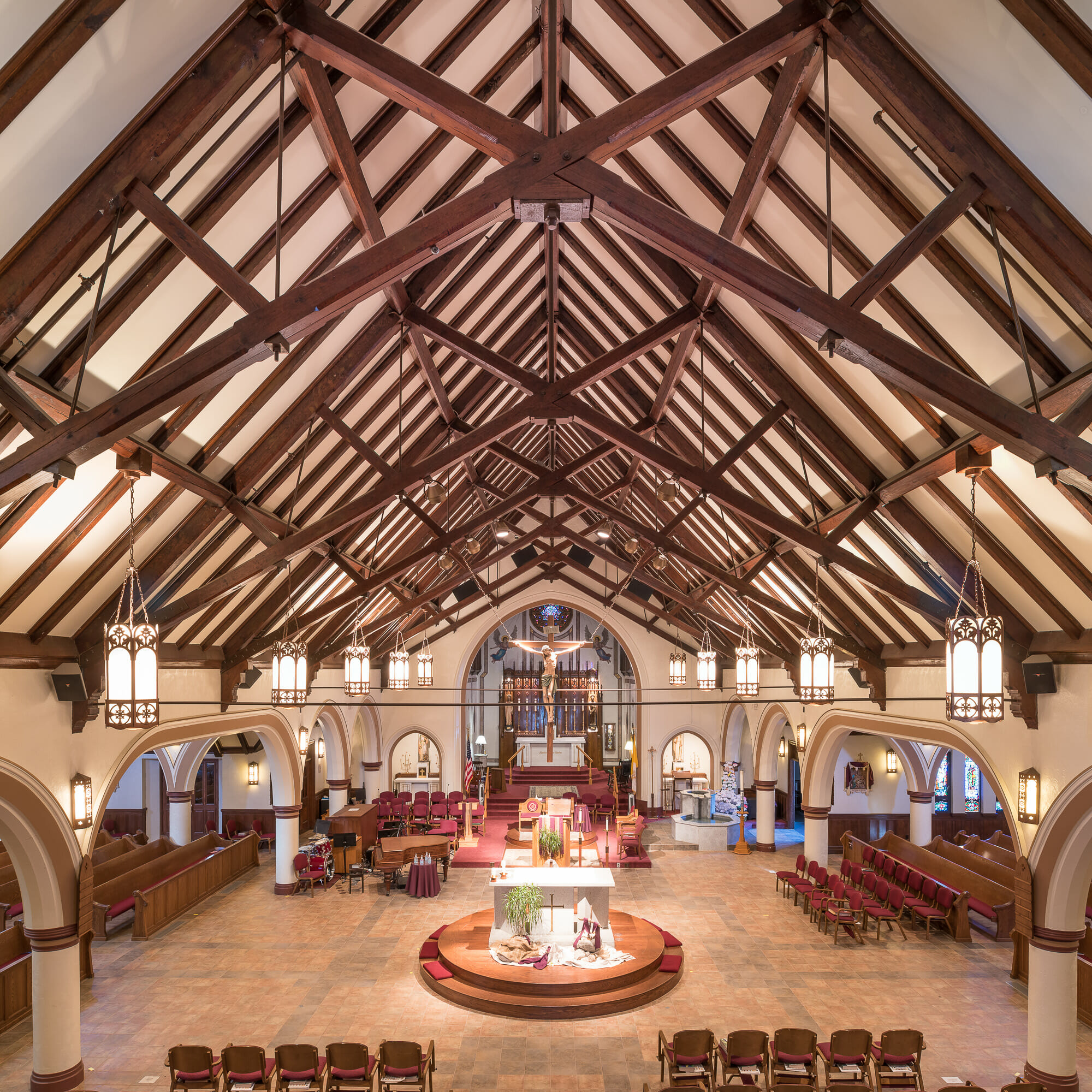
VTW Measured the existing trusses, engineered them for current codes, fabricated and installed new trusses in the new wing of the sanctuary.
Does Vermont Timber Works work with non-profit organizations?
Yes, Vermont Timber Works has worked with many non-profit organizations over the course of our careers. We support local food banks, shelters and organizations for senior citizens including The Vermont Food Bank , Bennington Coalition for the Homeless , Upper Valley Haven , Neighborhood Connections , by donating the excess solar power we generate. We also give directly to many local charitable organizations.