Posts categorized as Timber Frame Engineering

Timber Frame Connection Types: Traditional Mortise & Tenon Joinery vs. Steel Joinery Solutions
Timber frames are defined not only by the warmth of their exposed wood, but by the way load moves through every truss member, posts, beams, and braces. Modern timber frame joinery connections blend centuries-old joinery practices with today’s engineering requirements—especially when projects involve long spans, high environmental loads, complex geometries, […]

Is There an Optimum Bent Spacing for Timber Frames?
When clients begin designing their timber frame homes and structures, one of the first questions that comes up is how to optimize their layout for both cost and performance. We’ve previously discussed how far a timber truss can span, which largely dictates building width. The length of a timber frame, […]

Why Does Raising the Bottom Chord of a Truss Increase Cost?
Understanding Raised Bottom Chords in Timber Trusses At Vermont Timber Works (VTW), we design and fabricate a wide range of custom timber trusses for residential, commercial, and public structures. Timber trusses are an excellent way to open up interior spaces — allowing for vaulted ceilings that bring in more light […]

How Far Can A Timber Truss Span?
Understanding the Factors That Influence Timber Truss Design and Performance One of the most common questions we hear at Vermont Timber Works is: “How far can a timber truss span?” The quick answer is that a timber truss span can be up to forty feet easily in most areas of […]
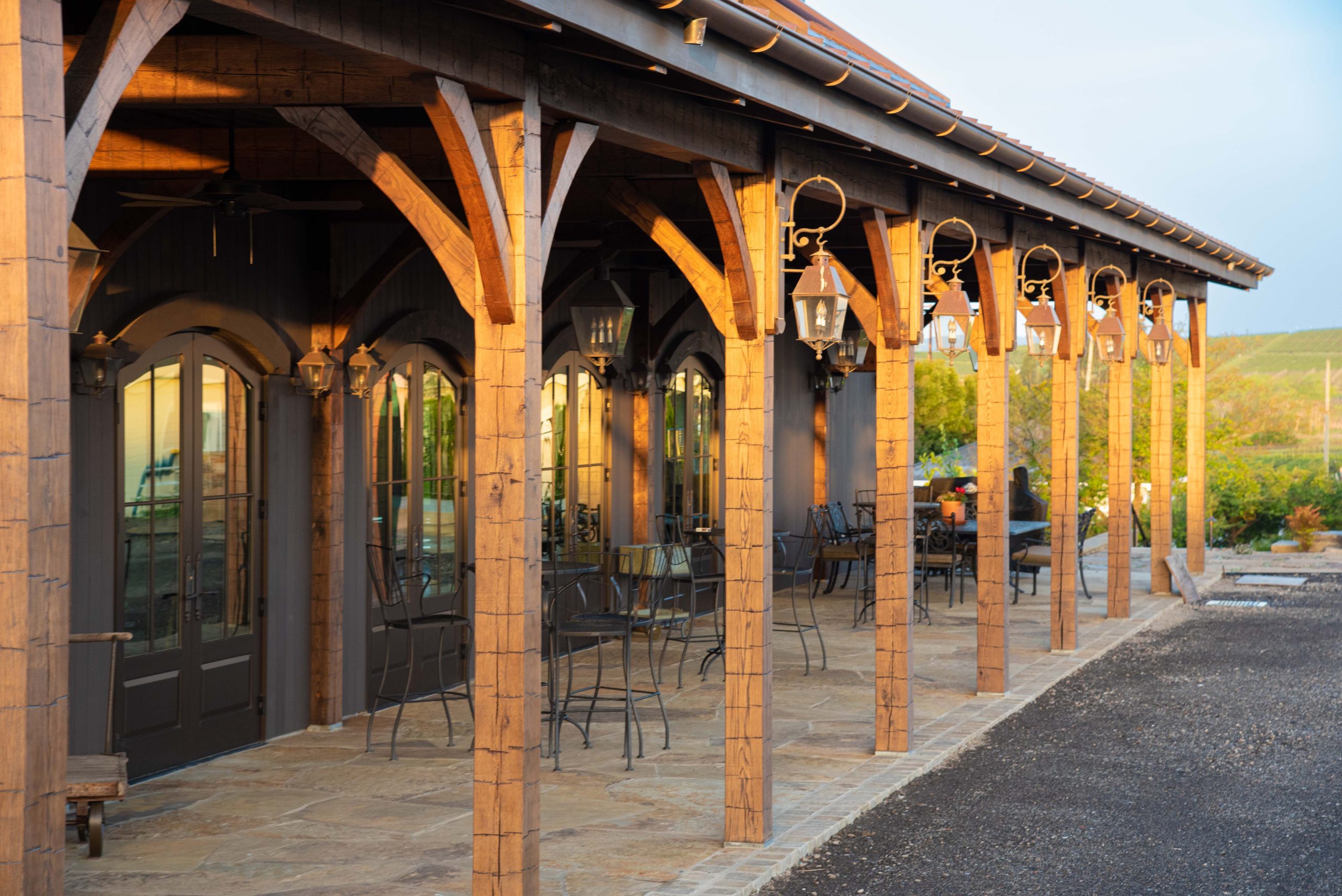
How Do Timber Frames Resolve Lateral Loads?
Understanding Lateral Loads in Timber Frame Design In structural engineering, gravity loads and lateral loads are often designed with separate systems because each type of force acts differently and requires distinct structural support. Gravity loads are vertical forces such as: Dead loads – the self-weight of the structure and its […]